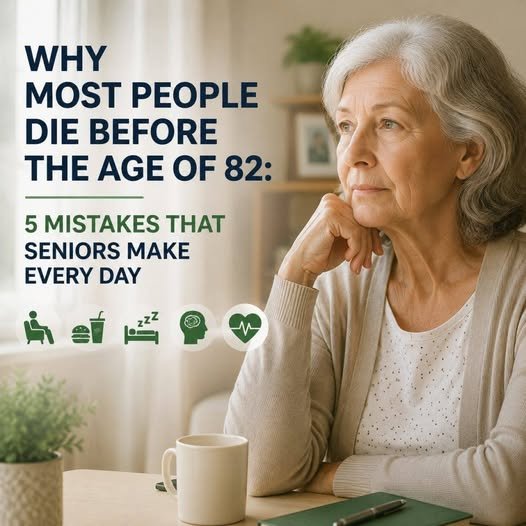
Living past 82 is influenced by many factors: genetics, healthcare access, environment, and chance all play roles. However, research on longevity consistently shows that daily habits can strongly affect healthspan (the years you live in good health). Here are 5 common everyday mistakes that can reduce your chances of a longer, healthier life, along with detailed explanations of what to do instead.
1. Sitting Too Much and Not Moving Enough
The mistake:
Many people spend most of the day sitting—at a desk, watching TV, using a phone, or riding in a car—without realizing how harmful prolonged inactivity can be.
Why it matters:
The human body is designed for movement. Long periods of sitting are linked with:
- Reduced muscle strength
- Poor blood circulation
- Increased risk of heart disease
- Higher blood sugar levels
- Weight gain
- Loss of balance and mobility with age
Even if someone exercises for 30 minutes but sits for the remaining 10–12 hours, the health benefits may be reduced.
What to do instead:
- Walk daily, aiming for regular movement throughout the day.
- Stand up every 30–60 minutes if sitting for long periods.
- Include strength training 2–3 times per week.
- Practice balance exercises as you age (such as standing on one leg or gentle yoga).
Longevity lesson: Strong muscles and good mobility are strongly connected with independence in old age.
2. Eating Too Much Processed Food
The mistake:
A modern diet often includes large amounts of:
- Sugary drinks
- Fast food
- Processed meats
- Packaged snacks
- Refined carbohydrates
- Excess salt
These foods are convenient but often lack nutrients needed for healthy aging.
Why it matters:
A diet high in processed foods can contribute to:
- High blood pressure
- Diabetes
- Chronic inflammation
- Heart disease
- Obesity
- Poor gut health
Over many years, these conditions can shorten lifespan.
What to do instead:
Focus on a mostly whole-food diet:
Eat more:
✅ Vegetables
✅ Fruits
✅ Beans and lentils
✅ Nuts and seeds
✅ Whole grains
✅ Fish and lean proteins
✅ Healthy fats such as olive oil
Reduce:
❌ Sugary drinks
❌ Excess sweets
❌ Deep-fried foods
❌ Highly processed snacks
A simple rule:
The more a food resembles its natural form, the more likely it supports long-term health.
3. Ignoring Sleep Quality
The mistake:
Many people treat sleep as optional, sacrificing it for work, entertainment, or phone use.
Adults often need around 7–9 hours of quality sleep, though individual needs vary.
Why it matters:
Poor sleep affects almost every system in the body:
- Weakens the immune system
- Raises stress hormones
- Increases risk of heart problems
- Affects memory and brain health
- Makes weight control harder
- Reduces emotional stability
Chronic sleep deprivation is associated with faster aging processes.
What to do instead:
Create better sleep habits:
- Keep a consistent sleep schedule.
- Avoid bright screens close to bedtime.
- Limit caffeine late in the day.
- Keep your bedroom dark and comfortable.
- Get morning sunlight exposure.
- Avoid heavy meals right before sleeping.
Longevity lesson: Sleep is when the body repairs tissues, regulates hormones, and supports brain health.
4. Living With Chronic Stress and Poor Emotional Health
The mistake:
Many people ignore constant stress, loneliness, anxiety, or emotional exhaustion.
Stress is a normal part of life, but long-term uncontrolled stress can harm health.
Why it matters:
Chronic stress can:
- Increase inflammation
- Raise blood pressure
- Affect immune function
- Damage sleep quality
- Encourage unhealthy habits
- Increase risk of depression
Social isolation is also strongly associated with poorer health outcomes, especially in older adults.
What to do instead:
Build habits that support emotional resilience:
- Maintain close relationships with family and friends.
- Spend time in meaningful activities.
- Practice meditation, prayer, breathing exercises, or mindfulness if helpful.
- Spend time outdoors.
- Ask for support when stress becomes overwhelming.
Longevity lesson: People who maintain strong social connections often experience better health as they age.
5. Ignoring Preventive Healthcare
The mistake:
Some people only visit a doctor when something feels seriously wrong.
Many dangerous conditions develop silently.
Examples:
- High blood pressure
- High cholesterol
- Diabetes
- Certain cancers
- Kidney problems
Early detection often makes treatment easier and more effective.
What to do instead:
Regularly monitor:
- Blood pressure
- Blood sugar
- Cholesterol
- Weight and waist measurement
- Vision and hearing
- Dental health
Follow recommended screenings based on your age, sex, family history, and risk factors.
Longevity lesson: Prevention is often more powerful than treatment after disease develops.
Bonus: Other Habits Common Among Long-Lived People
People who live into their 80s, 90s, and beyond often share several habits:
1. They keep learning
Mental activity helps maintain cognitive function.
2. They have a purpose
Having goals, responsibilities, and meaningful activities supports mental and physical health.
3. They avoid smoking
Smoking is one of the strongest preventable causes of early death.
4. They maintain a healthy weight
Especially avoiding excess abdominal fat.
5. They stay connected
Friendships and community involvement are important for healthy aging.
A Simple Daily Longevity Checklist
✅ Walk or exercise
✅ Eat mostly whole foods
✅ Sleep 7–9 hours
✅ Maintain friendships
✅ Manage stress
✅ Avoid smoking
✅ Limit alcohol
✅ Get regular health checks
✅ Keep your mind active
Final Thought
Reaching your 80s and beyond is not about finding one “magic” habit. It is usually the result of hundreds of small choices repeated over decades. The goal is not only to add years to life, but to add healthy, active years to life.