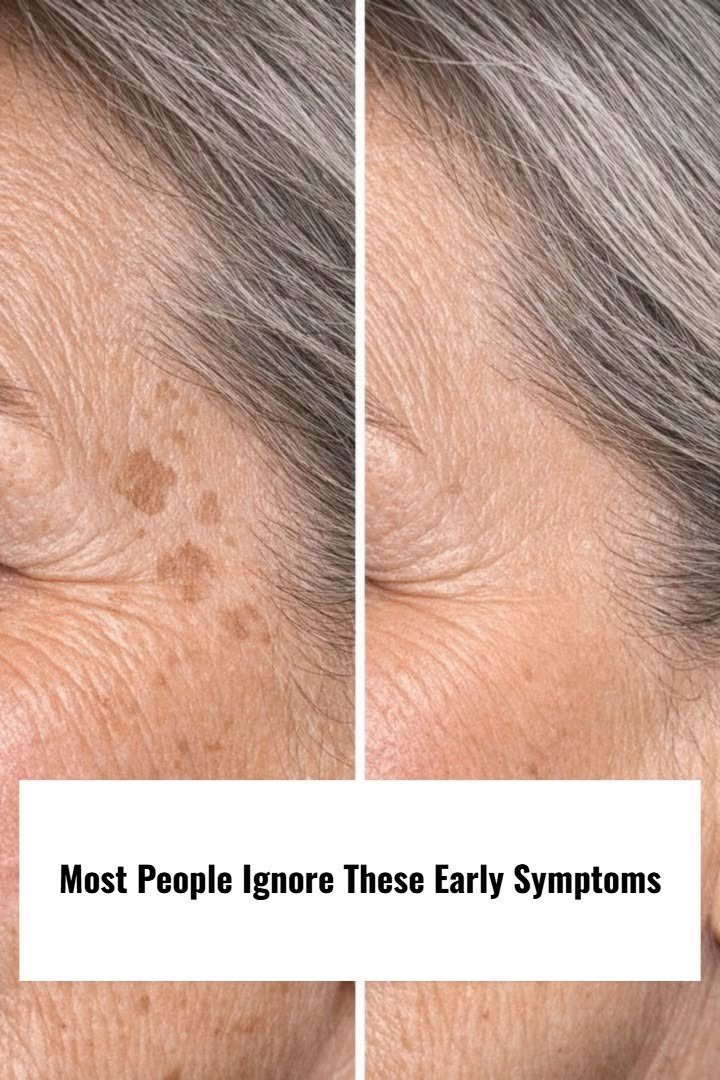
If you mean how your mom’s trick can camouflage liver spots (age spots/sun spots) on the face, here is a detailed explanation of common makeup techniques people use:
1. Start with skincare preparation
Before applying makeup:
- Cleanse your face gently to remove oil and dirt.
- Apply a moisturizer so makeup does not settle unevenly.
- Use sunscreen (SPF 30 or higher) every morning, because sun exposure can make liver spots darker and create new ones.
2. Use a color corrector (the camouflage step)
Liver spots are usually brown, gray-brown, or darker patches. A color corrector helps neutralize the contrast:
- Peach or orange corrector: often works well for brown spots, especially on medium to deeper skin tones.
- Salmon corrector: can work for lighter brown discoloration.
- Apply only a tiny amount directly on the spots, rather than covering the whole face.
The goal is not to make the spot orange—it is to cancel the brown tone so less concealer is needed.
3. Apply concealer correctly
- Choose a high-coverage concealer close to your natural skin tone.
- Tap it gently over the corrected spot using:
- a fingertip,
- a small brush, or
- a makeup sponge.
- Avoid rubbing, because it can remove the corrector underneath.
- Let the concealer sit for 30–60 seconds before blending for better coverage.
4. Set the makeup
- Lightly apply translucent powder over the area.
- Press the powder in rather than sweeping, which can move the layers underneath.
- A setting spray can help makeup last longer.
5. Make the camouflage look natural
- Blend the edges around the spot into the surrounding skin.
- Avoid applying thick layers over the entire face; targeted coverage usually looks more natural.
- Use foundation afterward if you want an even overall complexion.
6. Extra tricks makeup artists use
- Layer thinly: Several thin layers look more realistic than one heavy layer.
- Match undertones: A concealer that is too light can make spots look gray; one too warm can look orange.
- Use long-wear products: Cream-based, waterproof concealers often stay better on areas with pigmentation.
Important note
“Liver spots” (also called solar lentigines) are usually harmless areas of pigmentation caused by long-term sun exposure. If a spot is new, changing shape/color, growing, bleeding, itching, or looks very different from your other spots, it is worth having a dermatologist check it.
If you mean a specific trick your mom taught you (for example toothpaste, lipstick, a home remedy, or a particular makeup method), tell me what it was and I can explain whether it works and how to use it safely.