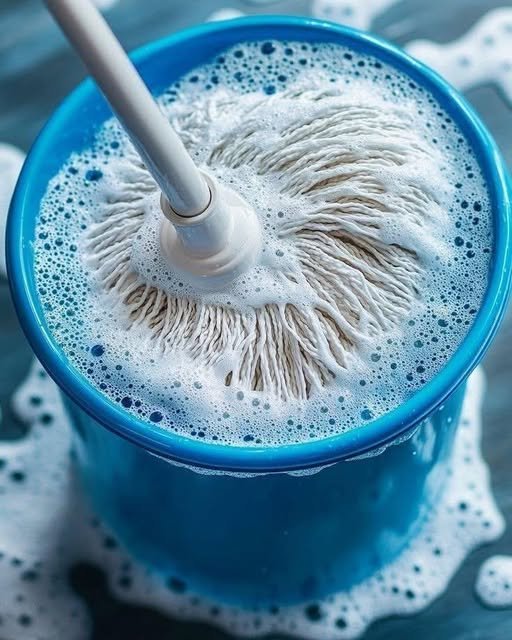
Vinegar – The Natural Champion in Cleaning Mops and Buckets
Vinegar is one of the most effective, affordable, and environmentally friendly household cleaners. It has been used for centuries to remove dirt, dissolve mineral deposits, eliminate unpleasant odors, and reduce the growth of many common bacteria on household surfaces. When it comes to cleaning mops and buckets, white distilled vinegar is especially useful because it helps keep cleaning equipment fresh and extends its usable life.
Why Vinegar Is Effective
White distilled vinegar contains about 5% acetic acid, which gives it several cleaning properties:
- Dissolves soap scum and hard water deposits.
- Helps loosen dirt and grime.
- Neutralizes many unpleasant odors.
- Reduces the buildup of mildew-causing residues.
- Leaves no harmful chemical residue.
- Is biodegradable and environmentally friendly.
Although vinegar has some antimicrobial properties, it is not a replacement for a registered disinfectant when true disinfection is required, such as after cleaning up bodily fluids or in healthcare settings.
Benefits of Using Vinegar for Cleaning Mops
1. Removes Bad Odors
Mops often develop unpleasant smells because moisture allows bacteria and mold to grow in the fibers. Soaking the mop in vinegar helps neutralize these odors and leaves the mop smelling much fresher.
2. Breaks Down Dirt and Grease
Over time, mop fibers collect grease, detergent residue, and dirt. Vinegar helps dissolve these deposits, making the mop more effective during future cleaning.
3. Helps Reduce Mineral Build-Up
In areas with hard water, minerals can accumulate in mop fibers, making them stiff and less absorbent. Vinegar dissolves these mineral deposits and restores softness.
4. Extends Mop Life
Regular vinegar cleaning prevents residue buildup that can damage mop fibers, helping the mop last longer.
5. Eco-Friendly Solution
Unlike many commercial cleaners, vinegar is non-toxic, biodegradable, and safe for most household cleaning tasks when used correctly.
Benefits of Cleaning Buckets with Vinegar
Cleaning buckets is just as important as cleaning the mop because dirty buckets can contaminate clean water.
Vinegar helps:
- Remove soap residue.
- Dissolve hard water stains.
- Eliminate unpleasant smells.
- Reduce mildew buildup.
- Keep buckets cleaner between uses.
How to Clean a Mop with Vinegar
Materials Needed
- White distilled vinegar
- Warm water
- Large bucket or sink
- Mild detergent (optional)
- Rubber gloves (optional)
Step 1: Remove Loose Dirt
Shake or rinse the mop thoroughly to remove loose debris.
Step 2: Prepare the Cleaning Solution
Mix:
- 1 cup white vinegar
- 1 gallon (about 3.8 liters) warm water
Step 3: Soak the Mop
Place the mop head in the solution and soak for 30–60 minutes.
For heavily soiled mops, soak for up to 2 hours.
Step 4: Rinse Thoroughly
Rinse the mop with clean water until all vinegar residue is removed.
Step 5: Dry Completely
Hang the mop upside down or in a well-ventilated area until completely dry.
Proper drying helps prevent mold and mildew.
How to Clean a Bucket with Vinegar
Step 1
Empty the bucket completely.
Step 2
Rinse away loose dirt.
Step 3
Pour in:
- 1 cup white vinegar
- Enough warm water to cover the stained areas
Step 4
Allow the solution to sit for 15–30 minutes.
Step 5
Scrub the inside with a sponge or brush.
Step 6
Rinse thoroughly with clean water.
Step 7
Allow the bucket to air dry before storing.
Removing Tough Stains
For stubborn stains:
- Sprinkle baking soda onto the stain.
- Spray or pour vinegar over it.
- Allow the fizzing action to work for 10–15 minutes.
- Scrub gently.
- Rinse thoroughly.
Note: Do not store vinegar mixed with baking soda in a closed container, as the reaction releases carbon dioxide gas. Once the fizzing stops, the cleaning effect is mainly from agitation and the resulting solution is much less effective than vinegar alone for dissolving mineral deposits.
How Often Should You Clean Mops?
- Household use: Once every week.
- Heavy household use: Every 2–3 days.
- Commercial cleaning: After each day’s use or more frequently if heavily soiled.
Buckets should also be rinsed and cleaned after every use.
Safety Tips
- Use white distilled vinegar, not colored or flavored vinegars.
- Avoid using vinegar on natural stone surfaces (such as marble or granite), as the acid can damage them.
- Do not mix vinegar with bleach, as this can produce hazardous chlorine gas.
- Store vinegar away from children and pets.
- Wear gloves if you have sensitive skin.
Advantages of Vinegar Compared with Chemical Cleaners
| Feature | White Vinegar | Many Chemical Cleaners |
|---|---|---|
| Cost | Low | Moderate to High |
| Eco-friendly | Yes | Varies |
| Removes odors | Yes | Yes |
| Dissolves mineral deposits | Excellent | Good |
| Leaves harmful residue | No | May, depending on the product |
| Suitable for routine cleaning | Yes | Yes |
| Registered disinfectant | No | Some are |
Best Practices
- Clean mops immediately after use.
- Never leave a wet mop sitting in a bucket.
- Allow mops and buckets to dry completely before storing.
- Replace mop heads that remain heavily soiled, damaged, or persistently odorous despite cleaning.
- Use vinegar regularly for maintenance, and use an appropriate disinfectant when sanitation is required.
Conclusion
White distilled vinegar is an effective, economical, and environmentally friendly solution for maintaining mops and buckets. It removes dirt, soap residue, mineral deposits, and unpleasant odors while helping extend the life of cleaning tools. For routine maintenance, vinegar is an excellent choice. However, when you need to eliminate disease-causing microorganisms on surfaces, use a registered disinfectant according to the manufacturer’s instructions, as vinegar alone is not considered a disinfectant for those situations.