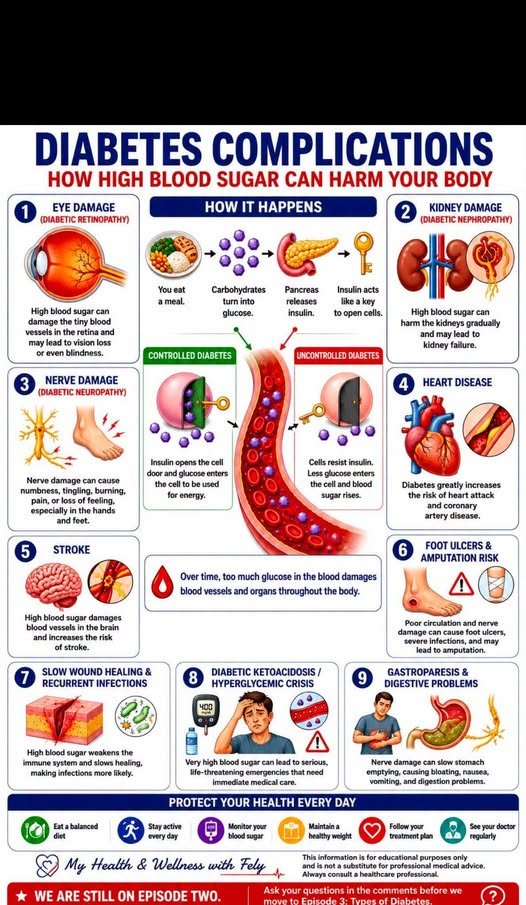
A Diabetes Education Series is a structured learning program designed to help people with diabetes, their families, and caregivers understand diabetes, manage blood sugar levels, prevent complications, and improve quality of life. Below is a detailed educational series covering the major topics usually included in diabetes self-management education.
Diabetes Education Series (Detailed)
Series 1: Understanding Diabetes
What is Diabetes?
Diabetes mellitus is a chronic condition in which the body cannot properly regulate blood glucose (sugar) levels.
Glucose is the main source of energy for the body. It comes from foods containing carbohydrates. The hormone insulin, produced by the pancreas, helps glucose move from the bloodstream into cells for energy.
In diabetes:
- The body may not produce enough insulin.
- The body may not use insulin effectively (insulin resistance).
- Blood glucose levels become higher than normal.
Types of Diabetes
1. Type 1 Diabetes
- An autoimmune condition where the immune system attacks insulin-producing cells in the pancreas.
- The body produces little or no insulin.
- Usually diagnosed in children and young adults but can occur at any age.
- Requires lifelong insulin therapy.
2. Type 2 Diabetes
- The most common type of diabetes.
- The body becomes resistant to insulin or does not make enough insulin.
- Risk factors include:
- Family history
- Overweight or obesity
- Physical inactivity
- Increasing age
- High blood pressure
- History of gestational diabetes
3. Gestational Diabetes
- Diabetes that develops during pregnancy.
- Usually improves after delivery but increases the future risk of Type 2 diabetes.
4. Prediabetes
- Blood glucose levels are higher than normal but not high enough for a diabetes diagnosis.
- Lifestyle changes can reduce the risk of progression to Type 2 diabetes.
Series 2: Diabetes Diagnosis and Blood Sugar Testing
Common Blood Tests
Fasting Blood Glucose
Measures blood sugar after not eating for at least 8 hours.
A1C Test
Shows average blood glucose levels over approximately 2–3 months.
General ranges:
- Normal: below 5.7%
- Prediabetes: 5.7–6.4%
- Diabetes: 6.5% or higher
Oral Glucose Tolerance Test (OGTT)
Measures how the body handles glucose after drinking a glucose solution.
Random Blood Glucose Test
Measures blood sugar at any time of day.
Series 3: Understanding Blood Glucose Targets
Individual goals vary depending on age, health conditions, and treatment plan.
Common targets for many adults:
- Before meals: about 80–130 mg/dL
- 1–2 hours after meals: below 180 mg/dL
- A1C goal: often below 7% (individualized)
Keeping glucose within target ranges helps reduce complications.
Series 4: Diabetes Medications
Oral Diabetes Medicines
Metformin
- Reduces glucose production by the liver.
- Improves insulin sensitivity.
- Often the first medication prescribed for Type 2 diabetes.
Other Medication Classes
- Sulfonylureas: increase insulin release.
- DPP-4 inhibitors: help regulate glucose hormones.
- SGLT2 inhibitors: help remove excess glucose through urine.
- GLP-1 receptor agonists: improve insulin response and may support weight loss.
Insulin Therapy
Insulin may be needed for:
- Type 1 diabetes
- Advanced Type 2 diabetes
- Pregnancy-related diabetes in some cases
Types of insulin:
- Rapid-acting
- Short-acting
- Intermediate-acting
- Long-acting
Correct injection technique and storage are important.
Series 5: Healthy Eating for Diabetes
Nutrition is one of the most important parts of diabetes management.
Diabetes Meal Planning Principles
1. Balance Your Plate
A common method:
- ½ plate: non-starchy vegetables
(spinach, broccoli, carrots, peppers) - ¼ plate: protein
(fish, chicken, eggs, beans, tofu) - ¼ plate: carbohydrates
(whole grains, potatoes, brown rice)
2. Carbohydrate Management
Carbohydrates have the greatest effect on blood glucose.
Sources:
- Bread
- Rice
- Pasta
- Fruits
- Milk
- Sweets
Healthy choices:
- Whole grains
- High-fiber foods
- Fresh fruits
- Legumes
3. Limit:
- Sugary drinks
- Excess sweets
- Highly processed foods
- Large portions of refined carbohydrates
Series 6: Physical Activity and Diabetes
Exercise improves:
- Insulin sensitivity
- Blood glucose control
- Heart health
- Weight management
- Mood and energy
Recommended Activities
Aerobic Exercise
Examples:
- Walking
- Cycling
- Swimming
Goal:
- About 150 minutes per week of moderate activity for many adults
Strength Training
Examples:
- Resistance bands
- Weight training
- Body-weight exercises
Benefits:
- Builds muscle
- Improves glucose use
Safety Tips
- Check glucose if advised.
- Carry a source of fast-acting carbohydrate if at risk for low blood sugar.
- Wear proper footwear.
- Stay hydrated.
Series 7: Monitoring Diabetes at Home
Blood Glucose Monitoring
Tools:
- Glucose meter
- Continuous glucose monitor (CGM)
Monitoring helps identify:
- High blood sugar patterns
- Low blood sugar episodes
- Effects of food, activity, and medications
Keep Records Of:
- Blood glucose readings
- Meals
- Exercise
- Medications
- Symptoms
Series 8: Hypoglycemia (Low Blood Sugar)
What is Hypoglycemia?
Blood glucose usually below 70 mg/dL.
Symptoms:
- Shaking
- Sweating
- Hunger
- Fast heartbeat
- Dizziness
- Confusion
- Irritability
Treatment: The “15-15 Rule”
- Take 15 grams of fast-acting carbohydrate:
- Glucose tablets
- 4 ounces of juice
- Regular soda (not diet)
- Wait 15 minutes.
- Recheck blood glucose.
- Repeat if still low.
Severe hypoglycemia may require emergency treatment.
Series 9: Hyperglycemia (High Blood Sugar)
Causes:
- Too much food
- Not enough medication
- Illness or infection
- Stress
- Lack of activity
Symptoms:
- Increased thirst
- Frequent urination
- Fatigue
- Blurred vision
- Slow wound healing
Prevention:
- Take medications as prescribed.
- Follow meal plans.
- Monitor glucose.
- Maintain activity.
Series 10: Preventing Diabetes Complications
Long-term high blood sugar can damage blood vessels and nerves.
Common Complications
Eye Disease (Diabetic Retinopathy)
Prevention:
- Regular eye exams
- Good glucose and blood pressure control
Kidney Disease
Prevention:
- Kidney function testing
- Blood pressure management
Nerve Damage (Neuropathy)
Symptoms:
- Tingling
- Burning
- Loss of sensation
Foot Problems
Daily foot care:
- Check feet every day.
- Keep feet clean and dry.
- Wear appropriate shoes.
- Report wounds early.
Heart Disease
Reduce risk by controlling:
- Blood glucose
- Blood pressure
- Cholesterol
- Smoking exposure
Series 11: Diabetes and Sick-Day Management
Illness can raise blood glucose levels.
During sickness:
- Monitor glucose more often.
- Continue medications unless advised otherwise.
- Drink adequate fluids.
- Check ketones if recommended for Type 1 diabetes.
- Contact healthcare providers if glucose remains very high or symptoms worsen.
Series 12: Diabetes Lifestyle Management
Stress Management
Stress hormones can increase blood glucose.
Helpful strategies:
- Deep breathing exercises
- Meditation
- Regular physical activity
- Adequate sleep
- Social support
Sleep
Poor sleep can affect:
- Appetite hormones
- Insulin sensitivity
- Blood glucose control
Aim for consistent, quality sleep.
Series 13: Diabetes Self-Management Checklist
Daily:
✓ Take medications correctly
✓ Monitor glucose as recommended
✓ Eat balanced meals
✓ Stay active
✓ Check feet
✓ Drink enough water
Regularly:
✓ A1C testing
✓ Blood pressure checks
✓ Cholesterol testing
✓ Eye examination
✓ Kidney screening
✓ Dental care
Series 14: Diabetes Education for Families and Caregivers
Family members can support by:
- Encouraging healthy eating habits
- Learning signs of low blood sugar
- Supporting medication routines
- Joining lifestyle changes
- Avoiding blame or criticism
Key Message
Successful diabetes management involves five major areas (the Diabetes Self-Management Education and Support framework):
- Healthy eating
- Being physically active
- Monitoring blood glucose
- Taking medications safely
- Reducing risks and maintaining emotional health
A diabetes education series helps people develop the knowledge and skills needed to live a healthy life while managing diabetes effectively.