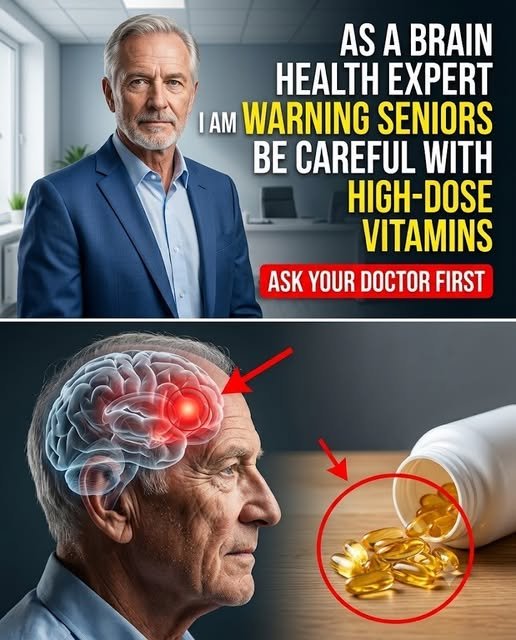
Navigating Vitamin Habits: Understanding Stroke Risk for Older Adults and Brain Health
Maintaining brain health becomes increasingly important as people age. Vitamins and supplements are often promoted as ways to protect memory, improve energy, and reduce the risk of diseases such as stroke. However, the relationship between vitamins, supplements, stroke risk, and brain health is complex. Some nutrients support healthy brain function and cardiovascular health, while others may be harmful when taken incorrectly or in excessive amounts.
This guide explains how vitamins influence stroke risk, what older adults should know about supplementation, and how to build healthier vitamin habits.
1. Understanding Stroke and Why Older Adults Are at Higher Risk
A stroke occurs when blood flow to part of the brain is interrupted or when a blood vessel in the brain breaks. Brain cells can become damaged within minutes because they depend on oxygen and nutrients delivered by blood.
Main types of stroke
1. Ischemic stroke
- The most common type (about 80–85% of strokes)
- Caused by a blood clot blocking blood flow to the brain
- Often linked to:
- High blood pressure
- High cholesterol
- Diabetes
- Atherosclerosis (hardening of arteries)
- Irregular heart rhythms such as atrial fibrillation
2. Hemorrhagic stroke
- Caused by bleeding in or around the brain
- Often associated with:
- Uncontrolled high blood pressure
- Blood-thinning medications
- Certain blood vessel problems
Why aging increases stroke risk
As people age:
- Blood vessels may become stiffer and narrower
- Blood pressure tends to rise
- Cholesterol buildup may increase
- The heart may develop rhythm problems
- The body’s ability to repair cells decreases
Because of these changes, older adults need careful attention to diet, medications, activity, and supplement use.
2. The Role of Vitamins in Brain Health
The brain requires many nutrients to:
- Produce energy
- Maintain nerve cells
- Control inflammation
- Support communication between brain cells
- Protect against oxidative stress
A balanced diet usually provides most necessary vitamins. Supplements may help when there is a deficiency, but taking high doses without medical guidance is not always beneficial.
3. Vitamins That May Support Brain and Heart Health
Vitamin B12
Importance:
Vitamin B12 helps:
- Maintain healthy nerve cells
- Produce red blood cells
- Support normal brain function
Deficiency risks:
Older adults are more likely to have B12 deficiency because:
- Stomach acid decreases with age
- Some medications interfere with absorption
- Certain digestive conditions reduce absorption
Possible effects of deficiency:
- Memory problems
- Confusion
- Numbness or tingling
- Balance problems
- Fatigue
Stroke connection:
Low B12 can contribute to increased levels of homocysteine, an amino acid linked with blood vessel damage and higher cardiovascular risk.
However, taking B12 supplements does not automatically prevent stroke in everyone. It is most helpful when correcting a deficiency.
Folate (Vitamin B9)
Importance:
Folate supports:
- DNA repair
- Red blood cell formation
- Normal nervous system function
Stroke connection:
Low folate levels can increase homocysteine levels. Adequate folate intake may support vascular health.
Food sources:
- Leafy green vegetables
- Beans
- Lentils
- Fortified grains
- Citrus fruits
High-dose folic acid supplements should be used carefully, especially in people with certain health conditions.
Vitamin B6
Importance:
Vitamin B6 helps:
- Brain chemical production
- Immune function
- Normal nerve activity
Too much can be harmful:
Long-term high-dose B6 supplements may cause:
- Nerve damage
- Tingling
- Difficulty walking
Vitamin D
Importance:
Vitamin D supports:
- Bone strength
- Muscle function
- Immune health
- Possible brain health pathways
Older adults are more likely to have low vitamin D because:
- Skin produces less vitamin D with age
- Outdoor activity may decrease
Stroke connection:
Low vitamin D levels have been associated with higher cardiovascular risk, but research has not proven that vitamin D supplements prevent strokes in everyone.
Excess vitamin D can cause:
- High calcium levels
- Kidney problems
- Confusion
- Heart rhythm issues
Vitamin E
Vitamin E acts as an antioxidant and protects cells from oxidative damage.
Important caution:
High-dose vitamin E supplements may increase the risk of:
- Bleeding
- Hemorrhagic stroke in some situations
Vitamin E from foods is generally considered safer.
Food sources:
- Nuts
- Seeds
- Vegetable oils
- Spinach
Vitamin C
Vitamin C supports:
- Immune function
- Collagen production
- Antioxidant protection
Foods rich in vitamin C:
- Oranges
- Berries
- Peppers
- Broccoli
High-dose supplements usually do not provide extra stroke protection and may cause digestive problems or kidney stone risk in some people.
4. Supplements That Require Extra Caution in Older Adults
Calcium Supplements
Calcium is important for:
- Bone health
- Muscle function
- Nerve signaling
However, excessive calcium supplementation has been studied for possible links with cardiovascular concerns.
Better sources:
- Dairy products
- Fortified foods
- Leafy greens
- Fish with edible bones
Discuss calcium supplements with a healthcare professional, especially if there is heart disease or kidney disease.
Fish Oil (Omega-3 Supplements)
Omega-3 fatty acids support:
- Heart health
- Inflammation control
- Brain cell membranes
Food sources:
- Salmon
- Sardines
- Trout
- Mackerel
High-dose fish oil supplements may increase bleeding risk, especially with:
- Blood thinners
- Certain heart medications
5. Vitamins and Medications: Important Interactions
Older adults often take several medications, and supplements can affect how medicines work.
Examples:
Blood thinners
Supplements that may affect bleeding risk:
- Vitamin E
- High-dose fish oil
- Garlic supplements
- Ginkgo biloba
Cholesterol medications
Some supplements may alter medication effects.
Blood pressure medications
Some herbal products and minerals can interfere with blood pressure control.
Always inform healthcare providers about:
- Vitamins
- Herbal supplements
- Protein powders
- Energy supplements
6. Healthy Vitamin Habits for Older Adults
1. Focus on food first
A brain-supportive diet includes:
Vegetables and fruits
Provide:
- Antioxidants
- Fiber
- Vitamins
- Minerals
Whole grains
Support:
- Stable blood sugar
- Heart health
Healthy proteins
Examples:
- Fish
- Beans
- Eggs
- Poultry
- Nuts
Healthy fats
Examples:
- Olive oil
- Avocado
- Nuts
- Fatty fish
2. Avoid “mega-dose” supplements
More is not always better.
High doses may:
- Harm organs
- Interfere with medications
- Increase bleeding risk
- Create nutrient imbalances
3. Check for deficiencies
Older adults may benefit from testing for:
- Vitamin B12
- Vitamin D
- Iron (when appropriate)
- Folate
Supplement decisions should be based on individual needs.
7. Lifestyle Habits More Powerful Than Vitamins for Stroke Prevention
Vitamins are only one small part of brain health. The strongest evidence supports:
Control blood pressure
High blood pressure is one of the biggest stroke risk factors.
Helpful steps:
- Regular monitoring
- Taking prescribed medications
- Reducing excess salt
- Staying active
Exercise regularly
Physical activity improves:
- Blood circulation
- Blood pressure
- Mood
- Memory function
Examples:
- Walking
- Swimming
- Strength exercises
- Balance training
Maintain healthy cholesterol levels
Helpful habits:
- Eat more fiber
- Limit saturated fats
- Follow medical advice about cholesterol medications
Manage diabetes
High blood sugar damages blood vessels and increases stroke risk.
Protect brain health through mental activity
Activities that support cognitive health:
- Reading
- Learning new skills
- Social interaction
- Puzzles and games
- Creative activities
Get quality sleep
Poor sleep is linked with:
- Higher blood pressure
- Increased inflammation
- Cognitive problems
Aim for consistent sleep patterns and discuss possible sleep disorders with a healthcare professional.
8. Warning Signs of Stroke: Act Quickly
Remember FAST:
F — Face drooping
One side of the face becomes weak or numb.
A — Arm weakness
One arm becomes weak or difficult to lift.
S — Speech difficulty
Speech becomes unclear or confusing.
T — Time to call emergency services
Immediate treatment can reduce brain damage.
Other possible signs:
- Sudden severe headache
- Loss of balance
- Vision problems
- Sudden confusion
- Numbness on one side of the body
9. Key Takeaways
- Vitamins can support brain and overall health, especially when correcting deficiencies.
- No vitamin supplement can replace proven stroke prevention strategies.
- Older adults should avoid high-dose supplements unless medically recommended.
- Vitamin B12, folate, and vitamin D are important nutrients to monitor, especially with aging.
- Excess vitamin E, certain high-dose supplements, and interactions with medications may increase risks.
- The strongest protection against stroke comes from:
- Healthy blood pressure
- Regular exercise
- Balanced nutrition
- Smoking avoidance
- Diabetes and cholesterol control
- Regular medical care
A personalized approach—considering diet, medical conditions, medications, and laboratory results—is the safest way for older adults to use vitamins while protecting brain health.