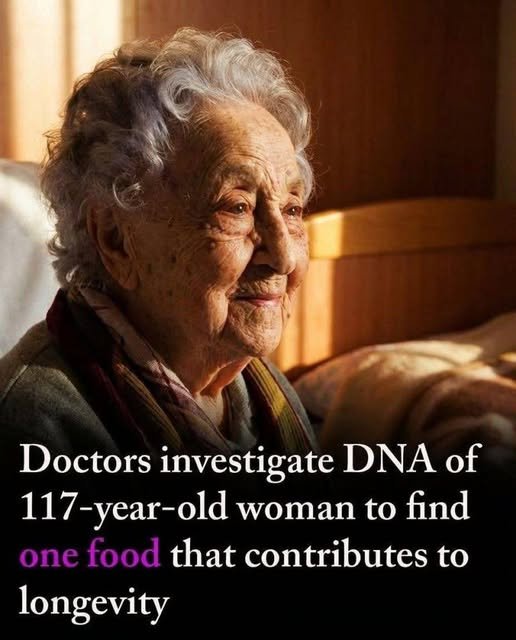
The Secret Behind a 117-Year-Old Woman’s Life: What Scientists Discovered About Her Diet, DNA, and Longevity
The woman at the center of this discovery was María Branyas Morera, a Spanish-American woman who lived to 117 years and 168 days. She became the world’s oldest living person in 2023 and died in August 2024. Before her death, she agreed to let scientists study her biology to understand how she remained healthy at an extraordinary age.
Researchers analyzed her blood, saliva, urine, stool, genes, immune system, metabolism, and gut microbiome. Their findings suggest that her long life was not caused by one “magic” food or one gene, but by a rare combination of genetics, lifestyle, and diet.
1. The Surprising Food Linked to Her Longevity: Yogurt
The food that attracted the most attention was yogurt, especially probiotic yogurt.
María reportedly ate three servings of yogurt every day during her later years. Scientists found that her gut microbiome—the community of bacteria living in her digestive system—looked unusually healthy for someone of her age.
Why yogurt may have helped:
Yogurt containing live probiotic bacteria may support:
✅ A healthier gut microbiome
Her gut contained beneficial bacteria associated with healthy aging, including bacteria from groups such as Bifidobacterium. These microbes are linked with better immune regulation and lower inflammation.
✅ Lower inflammation
Chronic inflammation is one of the major biological processes associated with aging and age-related diseases. A balanced gut microbiome may help regulate inflammatory responses.
✅ Better immune function
The gut plays a major role in immune health. Maintaining beneficial bacteria may help the body respond better to infections and maintain immune balance.
However, scientists emphasize that yogurt alone did not make her live to 117. It was one part of a much larger picture.
2. Her Mediterranean-Style Diet
María followed a traditional Mediterranean eating pattern, which included:
- Vegetables and fruits
- Olive oil
- Fish
- Nuts
- Legumes
- Whole foods
- Fermented foods such as yogurt
This style of eating is associated with lower risks of cardiovascular disease, metabolic problems, and chronic inflammation.
She avoided many common risk factors:
- She did not smoke
- She did not drink alcohol
- She avoided highly processed foods
- She maintained regular daily movement
3. Her DNA Had Rare Protective Features
Scientists discovered that María had genetic characteristics that may have helped protect her from common diseases of aging.
Her genome showed variants connected with:
- Strong immune function
- Heart health
- Brain health
- Efficient mitochondrial function (how cells produce energy)
Researchers noted that there was no single “longevity gene.” Instead, many small genetic advantages likely worked together.
4. Her Body Was Biologically Younger Than Her Age
One of the most surprising findings was that some measurements of her biological age suggested her body functioned younger than expected.
Scientists found:
- Efficient fat metabolism
- Favorable markers linked with cardiovascular health
- A relatively healthy microbiome
- Lower disease burden than typical for someone over 110
This does not mean she stopped aging. Researchers actually found signs of extreme aging too, such as shortened telomeres and immune aging. The unusual part was that these aging signals did not translate into many major diseases.
5. Her Lifestyle May Have Been Just as Important as Her Food
Besides diet, researchers highlighted several habits:
Strong social connections
María maintained close relationships with family and community, which are often associated with better mental and physical health in older adults.
Mental attitude
She was known for emphasizing calmness, positivity, and avoiding unnecessary stress.
Regular activity
She remained active through daily routines and movement rather than intense exercise.
Good sleep habits
Researchers also noted her consistent sleep patterns as part of her healthy lifestyle.
So, Was Yogurt the “Secret”?
Not exactly.
The scientific conclusion is:
Yogurt may have supported her gut health, but her extraordinary lifespan likely came from a combination of:
🧬 Favorable genetics
🥣 Probiotic yogurt and Mediterranean diet
🦠 A healthy gut microbiome
🚶 Regular movement
❤️ Strong relationships
🚭 Avoiding smoking and alcohol
🧘 Low stress and positive outlook
What Can We Learn From Her Life?
Scientists are not saying that eating yogurt will make someone live to 117. Supercentenarians are extremely rare, and genetics plays a major role.
But her story supports several evidence-based habits that are generally linked with healthier aging:
- Eat more whole, minimally processed foods
- Include fermented foods with live cultures if suitable for your diet
- Eat plenty of plant-based foods
- Stay physically active
- Maintain friendships and family connections
- Protect sleep quality
- Avoid smoking
María Branyas’ life suggests that longevity is not about one miracle food—it is about decades of small, consistent choices combined with biological luck.