Many modern cars include advanced safety technology, but one of the most overlooked features is the head restraint (headrest). Most drivers rarely adjust it correctly, even though it plays a critical role in preventing serious neck injuries during a crash. While airbags, seat belts, and automatic emergency braking get most of the attention, a properly adjusted head restraint can significantly reduce the risk of whiplash.
What Is a Head Restraint?
A head restraint is the padded support attached to the top of your car seat. Although many people call it a “headrest,” its primary purpose is not to support your head while driving. Instead, it is designed to protect your neck and spine during rear-end collisions.
Why It Matters
When another vehicle strikes your car from behind, your body is pushed forward by the seat, but your head naturally lags behind because of inertia. This sudden movement can cause your neck to bend backward and then snap forward, leading to whiplash injuries.
A properly positioned head restraint helps:
- Reduce backward movement of the head
- Minimize neck strain
- Lower the risk of whiplash
- Protect the cervical spine
- Improve overall crash safety
What Is Whiplash?
Whiplash is a neck injury caused by a rapid back-and-forth movement of the head. Symptoms may include:
- Neck pain
- Stiffness
- Headaches
- Shoulder pain
- Dizziness
- Reduced range of motion
- Tingling or numbness in the arms (in severe cases)
Some symptoms appear immediately, while others may take hours or days to develop.
How to Adjust Your Head Restraint Correctly
Many drivers never adjust the head restraint after purchasing a vehicle.
Height
- The top of the head restraint should be level with the top of your head.
- If it is too low, it cannot properly support your head during a crash.
Distance
- Keep the back of your head as close as possible.
- Ideally, there should be less than 2 inches (5 cm) between your head and the restraint.
Angle
- Sit upright.
- Avoid reclining your seat too far backward, as this increases the distance between your head and the restraint.
Other Often-Overlooked Safety Features
1. Seat Belt Pretensioners
These tighten the seat belt immediately after a crash begins, reducing forward movement and helping keep occupants in the safest position.
2. Load Limiters
After tightening, load limiters allow a controlled amount of seat belt movement to reduce pressure on the chest, lowering the risk of rib injuries.
3. Automatic Emergency Braking (AEB)
This system monitors traffic ahead and can automatically apply the brakes if it detects an imminent collision, helping reduce crash severity or avoid a crash altogether.
4. Blind Spot Monitoring
Sensors detect vehicles in areas that are difficult to see using mirrors alone and warn the driver before changing lanes.
5. Rear Cross-Traffic Alert
When reversing out of a parking space, this feature warns of vehicles approaching from either side.
6. Tire Pressure Monitoring System (TPMS)
Proper tire pressure improves:
- Braking performance
- Fuel efficiency
- Tire lifespan
- Vehicle handling
Ignoring low tire pressure can increase the risk of tire failure.
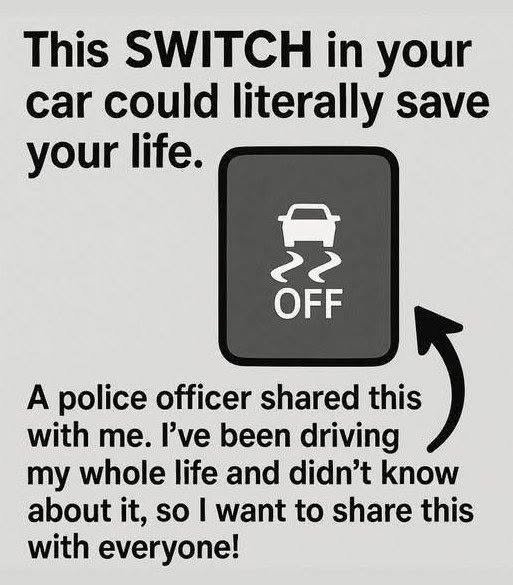
7. Electronic Stability Control (ESC)
ESC automatically applies brakes to individual wheels and reduces engine power if the vehicle begins to skid, helping the driver maintain control.
8. Adaptive Headlights
Some vehicles feature headlights that swivel with the steering wheel, improving visibility around curves at night.
Common Mistakes Drivers Make
- Sitting too far from the steering wheel
- Reclining the seat excessively
- Wearing the seat belt under the arm
- Placing the shoulder belt behind the back
- Removing or reversing head restraints
- Ignoring dashboard warning lights
- Not adjusting mirrors correctly
- Failing to maintain proper tire pressure
Why Many Drivers Overlook These Features
Several factors contribute:
- Safety features work quietly in the background.
- Many drivers never read the owner’s manual.
- People often focus on infotainment systems instead of safety technology.
- Some features only activate during emergencies, so drivers may never experience them directly.
Tips for Better Vehicle Safety
- Adjust your seat before every trip.
- Position the head restraint correctly.
- Always wear your seat belt properly.
- Keep tires inflated to the manufacturer’s recommended pressure.
- Learn how your vehicle’s safety systems work.
- Schedule regular maintenance to ensure safety features function correctly.
- Never disable safety systems unless specifically required for servicing.
Final Thoughts
The most valuable safety feature in your car is one that is used correctly. While advanced technologies such as automatic emergency braking, blind spot monitoring, and electronic stability control help prevent accidents, something as simple as a properly adjusted head restraint can greatly reduce the risk of neck injuries in a rear-end collision. Taking a few moments to adjust your seating position, seat belt, and head restraint can make a meaningful difference in protecting you and your passengers every time you drive.