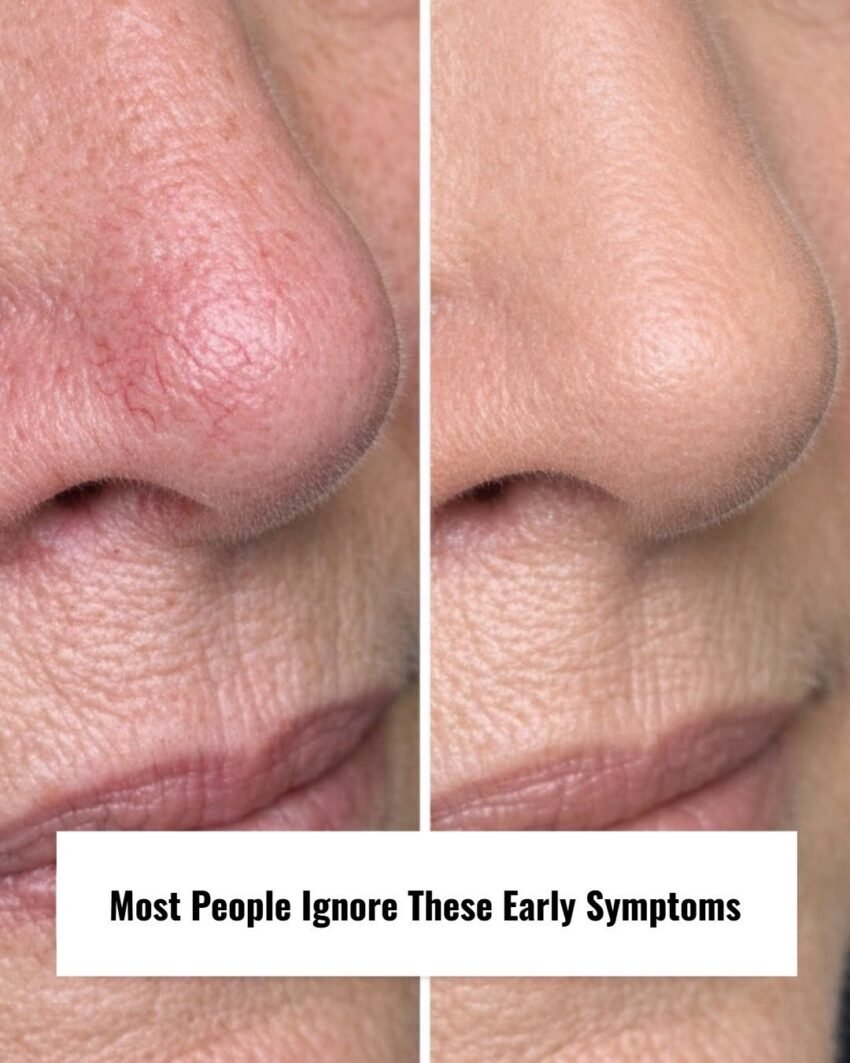
If you’re looking for before-and-after expectations for persistent seborrheic dermatitis treatment, it’s important to know that results vary depending on severity, treatment consistency, and whether underlying triggers are addressed. Seborrheic dermatitis is a chronic inflammatory skin condition, so treatment usually controls symptoms rather than permanently cures the condition.
What Seborrheic Dermatitis Looks Like Before Treatment
Common signs include:
- Red or pink patches on the scalp, face, ears, eyebrows, beard, chest, or skin folds
- Greasy, yellowish or white scales
- Persistent dandruff
- Itching or burning
- Flaking that may fall onto clothing
- Oily yet irritated skin
In severe or persistent cases:
- Thick crusts on the scalp
- Cracked skin behind the ears
- Widespread redness
- Frequent flare-ups despite over-the-counter products
What It Can Look Like After Successful Treatment
With appropriate treatment over several weeks:
- Redness decreases significantly.
- Flaking becomes minimal or disappears.
- Itching is greatly reduced or gone.
- Skin texture becomes smoother.
- Scales loosen and fall away.
- Hair often appears healthier once scalp inflammation improves (although treatment does not directly regrow hair).
Many people achieve 80–100% improvement, but maintenance treatment is often needed to prevent recurrence.
Typical Timeline
| Time | Expected Improvement |
|---|---|
| 1 week | Less itching and reduced oiliness |
| 2–4 weeks | Noticeably less redness and scaling |
| 4–8 weeks | Skin appears mostly clear in many people |
| Long term | Maintenance prevents relapses |
Common Treatments
1. Antifungal Shampoos (for scalp)
Used 2–3 times per week initially:
- Ketoconazole 2%
- Selenium sulfide
- Zinc pyrithione
- Ciclopirox
- Coal tar shampoos
Leave the shampoo on the scalp for 5–10 minutes before rinsing.
2. Antifungal Creams (Face and Body)
Examples include:
- Ketoconazole cream
- Ciclopirox cream
These reduce the amount of Malassezia yeast, which contributes to seborrheic dermatitis.
3. Mild Corticosteroid Creams
Used only for short periods to reduce inflammation:
- Hydrocortisone 1%
- Desonide (prescription)
Long-term use on the face is generally avoided because it can thin the skin and cause other side effects.
4. Calcineurin Inhibitors
Prescription creams such as tacrolimus or pimecrolimus may be used for recurrent facial seborrheic dermatitis because they do not cause skin thinning like steroids.
Daily Skin Care
- Wash affected areas gently.
- Use a fragrance-free moisturizer.
- Avoid harsh scrubs.
- Manage stress, as it can trigger flare-ups.
- Get adequate sleep.
- Avoid heavy oily skin products if they worsen symptoms.
Why Some Cases Persist
Persistent seborrheic dermatitis may be related to:
- Inconsistent treatment
- Stress
- Cold, dry weather
- Oily skin
- Immune system conditions
- Neurological disorders
- Incorrect diagnosis (such as psoriasis, eczema, rosacea, or a fungal infection)
If symptoms do not improve after 4–6 weeks of appropriate treatment, a dermatologist should reassess the diagnosis and treatment plan.
Long-Term Outlook
Because seborrheic dermatitis tends to recur, many people benefit from maintenance therapy, such as:
- Using an antifungal shampoo once weekly after the condition clears.
- Applying antifungal cream at the first sign of a flare.
- Maintaining a gentle skin-care routine.
With ongoing management, many people keep symptoms well controlled for months or years, even though occasional flare-ups can still occur.
If you’re interested in seeing before-and-after photos, dermatology clinics, medical journals, and reputable health organizations often provide documented treatment images that show improvements in redness, scaling, and flaking over several weeks of therapy.