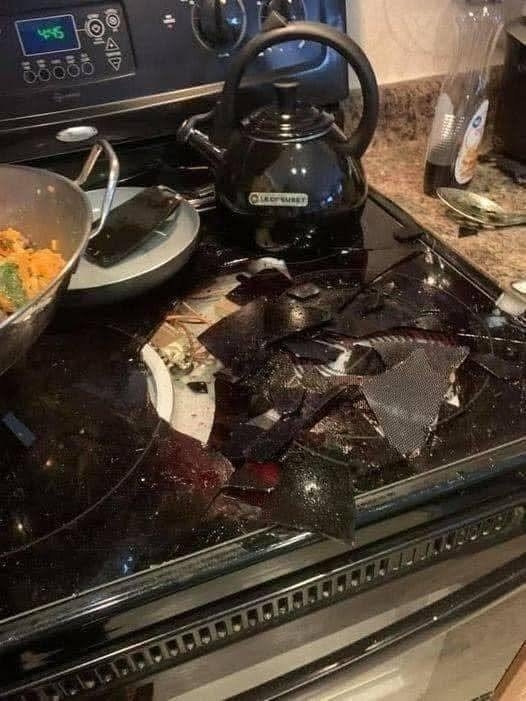
9 Dangerous Glass Stovetop Habits You Should Never Do (Detailed Information)
Glass stovetops (also called glass-ceramic cooktops) look sleek and are easy to clean, but they require careful use. Unlike traditional metal burners, the smooth glass surface can crack, scratch, or become permanently damaged if handled incorrectly. Some habits can also create fire hazards or reduce the lifespan of your appliance.
Here are 9 dangerous glass stovetop habits you should avoid:
1. Sliding Heavy Pots and Pans Across the Surface
Why it is dangerous:
Dragging cookware across a glass stovetop can create scratches, especially if the bottom of the pan has rough edges, food particles, or trapped grit.
Over time, scratches can weaken the glass surface and make it more vulnerable to cracking when exposed to heat.
Better habit:
- Lift cookware instead of sliding it.
- Check the bottom of pans before placing them on the stove.
- Keep the cooking surface free of dirt and debris.
2. Placing Hot Cookware Directly on a Cold Glass Surface
Why it is dangerous:
A sudden temperature change can cause thermal shock, which may crack the glass.
For example:
- Removing a very hot pan from an oven and placing it directly on a cool stovetop.
- Pouring cold water onto a hot glass surface.
Better habit:
Use a heat-resistant trivet or place hot cookware only on areas designed for cooking.
3. Dropping Heavy Objects on the Cooktop
Why it is dangerous:
Glass stovetops are strong but not impact-proof. A falling cast iron pan, knife block, or heavy appliance can chip or shatter the surface.
Even a small crack can spread when the stovetop heats up.
Better habit:
- Handle heavy cookware carefully.
- Avoid storing items above the stovetop that could fall.
- Do not use a cracked glass cooktop.
4. Cooking With Damaged or Rough-Bottomed Cookware
Why it is dangerous:
Cookware with:
- Warped bottoms
- Cracks
- Rough edges
- Sand or dirt stuck underneath
can scratch the surface or heat unevenly.
Cast iron pans, in particular, can damage glass stovetops if moved aggressively.
Better habit:
Use flat-bottomed cookware that sits evenly on the burner.
5. Allowing Spills to Burn Onto the Surface
Why it is dangerous:
Food spills, sugar, sauces, and grease can become hardened and difficult to remove when heated.
Sugar-based spills are especially risky because melted sugar can bond strongly with glass and may cause permanent marks or damage.
Better habit:
- Clean spills as soon as the stovetop cools enough to handle safely.
- Use a cleaner designed for glass cooktops.
- Remove melted sugar spills according to the manufacturer’s instructions.
6. Using the Wrong Cleaning Tools
Why it is dangerous:
Abrasive materials can permanently scratch the surface.
Avoid:
- Steel wool
- Rough scrub pads
- Powder cleaners not made for glass cooktops
- Sharp blades used incorrectly
Better habit:
Use:
- Soft microfiber cloths
- Cooktop cleaning creams
- Manufacturer-approved scrapers used at the correct angle
7. Covering the Cooktop With Aluminum Foil
Why it is dangerous:
Aluminum foil can:
- Melt onto the surface
- Reflect excessive heat
- Interfere with heating performance
- Leave difficult-to-remove marks
It may also create unsafe conditions depending on the stovetop design.
Better habit:
Use cookware and accessories specifically approved for your model.
8. Turning on Burners Without Cookware
Why it is dangerous:
Heating an empty burner can create unnecessary stress on the glass surface and may damage cookware if placed on the hot area afterward.
Some induction-style glass cooktops may behave differently, but traditional radiant glass cooktops can still be damaged by careless heating.
Better habit:
Place the correct cookware on the burner before turning it on.
9. Ignoring Cracks or Damage in the Glass
Why it is dangerous:
A cracked stovetop can become a serious safety risk. Heat can expand the crack and may lead to electrical problems, burns, or complete failure.
Better habit:
Stop using the stovetop if you notice:
- Cracks
- Deep chips
- Broken edges
- Unusual heating behavior
Contact the manufacturer or a qualified technician for advice.
Extra Safety Tips for Glass Stovetops
✅ Keep the surface clean and dry.
✅ Use cookware that matches the burner size.
✅ Avoid placing plastic items on or near hot areas.
✅ Keep children away from hot surfaces.
✅ Read the appliance manufacturer’s care instructions.
✅ Allow the stovetop to cool before cleaning.
Final Thought
A glass stovetop can last many years when treated properly. The biggest dangers come from impact damage, extreme temperature changes, improper cookware, and harsh cleaning methods. Small daily habits—such as lifting pans instead of dragging them and cleaning spills quickly—can prevent expensive repairs and keep your kitchen safer.