Ringing in Your Ears: Your Body’s Surprising Explanation (Detailed Information)
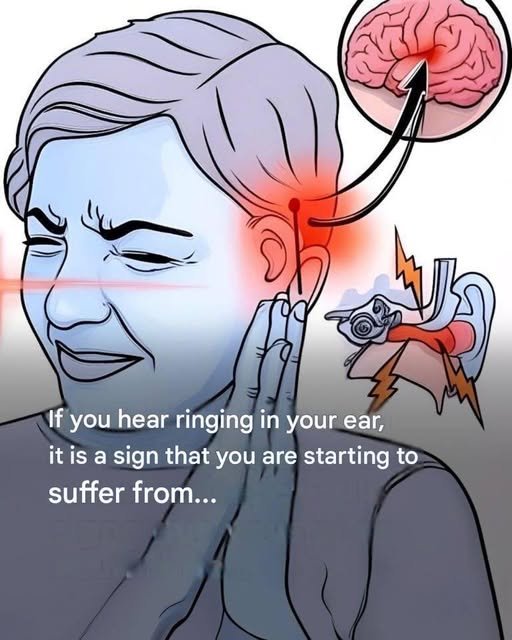
The sensation of ringing, buzzing, humming, clicking, or hissing in your ears when no external sound is present is called tinnitus. It is a common experience that affects millions of people worldwide. Although it may seem like the sound is coming from the environment, the surprising explanation is that the sound is usually created by activity inside your own auditory system — especially your brain and nerves.
What Is Tinnitus?
Tinnitus is not a disease itself. It is a symptom that indicates something has changed somewhere along the hearing pathway:
Outer ear → Middle ear → Inner ear → Auditory nerve → Brain hearing centres
People describe tinnitus in many ways:
- Ringing (most common)
- Buzzing
- Whistling
- Hissing
- Clicking
- Roaring
- Pulsing or heartbeat-like sounds
It may occur in:
- One ear only
- Both ears
- Inside the head
It can be temporary or long-lasting.
The Body’s Surprising Explanation: Your Brain Creates the Sound
The most interesting part of tinnitus is that the ear may not be the actual source of the noise. The brain plays a major role.
Your ears work like microphones. They collect sound vibrations and convert them into electrical signals. These signals travel through the auditory nerve to the brain, where they are interpreted as sounds.
When some sound signals are reduced or damaged, the brain may try to compensate.
A simplified explanation:
- Hearing cells in the inner ear become damaged or less active.
- The brain notices that certain sound frequencies are missing.
- The brain increases its sensitivity to “fill in” the missing information.
- This increased nerve activity can be interpreted as a sound.
- You perceive it as ringing or buzzing.
In other words, tinnitus can be the brain turning up the volume internally when it believes it is not receiving enough sound input.
The Role of the Inner Ear
Inside your inner ear is a structure called the cochlea. It contains thousands of tiny hair cells that detect sound vibrations.
These hair cells are extremely delicate.
They can be affected by:
1. Loud Noise Exposure
Examples:
- Concerts
- Fireworks
- Heavy machinery
- Loud headphones
Very loud sounds can bend, weaken, or destroy these tiny hair cells.
Unlike many body cells, damaged cochlear hair cells usually do not grow back, which can lead to permanent hearing changes and tinnitus.
2. Age-Related Hearing Changes
As people age, the auditory system naturally changes.
Common effects:
- Reduced ability to hear high-frequency sounds
- Less sensitive hair cells
- Changes in auditory nerve function
The brain may respond by increasing activity in certain pathways, contributing to tinnitus.
Why Does Tinnitus Sometimes Suddenly Appear?
A person may suddenly notice ringing because of:
Earwax Blockage
Excess earwax can block sound entering the ear.
The brain receives fewer external sounds and may increase internal sensitivity, making tinnitus noticeable.
Stress and Anxiety
Stress does not usually create tinnitus from nothing, but it can make existing tinnitus much more noticeable.
Stress hormones can affect:
- Brain attention systems
- Muscle tension
- Sleep quality
- How strongly the brain reacts to internal sounds
When the brain is focused on the ringing, it can seem louder.
Lack of Sleep
Poor sleep can increase sensitivity to tinnitus because the brain has fewer resources to filter unwanted signals.
Certain Medications
Some medicines can affect hearing or increase tinnitus risk, including some:
- High-dose aspirin
- Certain antibiotics
- Some chemotherapy drugs
- Some diuretics
Always speak with a healthcare professional before stopping medication.
Why Can You Hear Ringing More at Night?
Many people notice tinnitus when lying in bed.
The reason is usually not that the tinnitus becomes louder. Instead:
- The environment becomes quieter.
- There are fewer outside sounds competing with it.
- The brain pays more attention to internal signals.
A quiet room makes the brain’s “internal sounds” easier to notice.
Why Does Tinnitus Sometimes Match Your Heartbeat?
A type of tinnitus called pulsatile tinnitus sounds like:
- A heartbeat
- A whooshing rhythm
- A pulsing sound
This can happen because the sound is related to blood flow near the ear.
Possible causes include:
- Changes in blood vessels
- High blood pressure
- Increased blood flow
- Certain vascular conditions
Pulsatile tinnitus should be discussed with a healthcare professional, especially if it is new, persistent, or only affects one ear.
The Brain’s Filtering System
Your brain constantly receives thousands of signals.
Normally, it filters out unimportant sounds, such as:
- Clothing touching your skin
- Background noises
- Your own breathing
- Internal body sounds
This filtering process is called habituation.
With tinnitus, some people become highly focused on the sound. The brain may treat it as important, keeping attention locked onto it.
This creates a cycle:
Tinnitus → Attention → Stress → Increased awareness → Tinnitus feels louder
Breaking this cycle is one goal of many tinnitus management approaches.
Can Tinnitus Be Cured?
There is currently no universal cure that removes all tinnitus for everyone.
However, many people can reduce its impact through treatment and management.
Options may include:
1. Hearing Aids
For people with hearing loss, hearing aids can:
- Increase outside sounds
- Reduce the contrast between tinnitus and silence
- Help the brain process sound normally again
2. Sound Therapy
Background sounds can make tinnitus less noticeable.
Examples:
- White noise
- Nature sounds
- Fans
- Soft music
- Special tinnitus sound generators
3. Cognitive Behavioural Therapy (CBT)
CBT does not remove the sound but helps change the brain’s emotional response to it.
It can reduce:
- Anxiety
- Stress
- Sleep problems related to tinnitus
4. Relaxation Techniques
Helpful approaches include:
- Meditation
- Breathing exercises
- Exercise
- Stress management
5. Treating Underlying Causes
If tinnitus is caused by:
- Earwax
- Infection
- Medication effects
- Hearing problems
Treating the cause may improve symptoms.
When Should You See a Doctor?
Seek medical advice if tinnitus:
- Appears suddenly and strongly
- Happens in only one ear
- Comes with hearing loss
- Comes with dizziness or balance problems
- Sounds like a heartbeat
- Occurs after a head injury
- Is causing severe distress
Interesting Facts About Tinnitus
- Tinnitus is a perception of sound, not an actual sound wave in the environment.
- The brain can create sensations of sound even without outside stimulation.
- Many people have mild tinnitus and eventually stop noticing it because the brain learns to ignore it.
- Tinnitus research suggests that changes occur in both the ear and the brain’s sound-processing networks.
Simple Summary
Ringing in your ears happens because the hearing system — especially the connection between the inner ear and the brain — changes how it processes sound. When normal sound signals decrease, the brain may increase its activity and create a false perception of sound. This is why tinnitus is often described as a sound created by the brain’s attempt to compensate for missing information.
Although tinnitus can be frustrating, many people learn to manage it successfully, and research continues to improve understanding and treatment options.