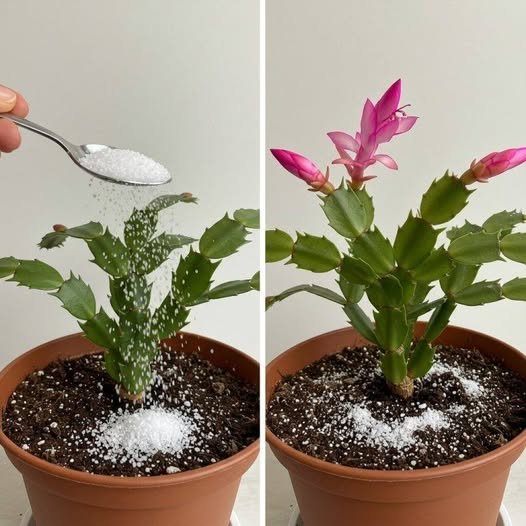
I assume you’re looking for a detailed article on the topic “Fall Awakening: Breathing Life into House Flowers with a Little Secret.”
Fall Awakening: Breathing Life into House Flowers with a Little Secret
As summer fades and autumn settles in, the changing season doesn’t just affect outdoor gardens—it also has a significant impact on houseplants. Shorter days, cooler temperatures, and lower humidity can leave indoor flowers looking tired, with slower growth, yellowing leaves, and fewer blooms. Fortunately, there is a simple “little secret” that can help revive your indoor flowering plants and keep them healthy throughout the fall months.
Understanding the Fall Transition
During spring and summer, most houseplants experience active growth because of longer daylight hours and warmer temperatures. In autumn, however, nature signals many plants to slow down. This natural resting period, known as dormancy or semi-dormancy, allows plants to conserve energy for the coming winter.
Signs that your indoor flowering plants are entering this stage include:
Slower or no new growth
Reduced flowering
Leaves turning yellow and dropping naturally
Soil staying moist longer than usual
Lower water requirements
Recognizing these seasonal changes is the first step toward proper plant care.
The Little Secret: Refresh the Soil and Feed Lightly
The secret to bringing life back into house flowers during fall is not excessive watering or heavy fertilizing. Instead, it’s a combination of refreshing the top layer of soil and providing a gentle dose of nutrients.
Step 1: Replace the Topsoil
Remove the top 2–5 cm (1–2 inches) of old soil without disturbing the roots. Replace it with fresh, nutrient-rich potting mix.
Benefits include:
Improved airflow around roots
Fresh nutrients
Better moisture retention
Healthier root development
Step 2: Use a Mild Fertilizer
Instead of strong fertilizers, apply a diluted balanced liquid fertilizer at half strength once every four to six weeks.
This provides enough nutrition to maintain healthy foliage and flowers without encouraging weak, excessive growth.
Water Wisely
One of the most common mistakes during autumn is overwatering.
As temperatures decrease, plants use less water. Always check the soil before watering by inserting your finger about 2–3 cm into the soil. If it still feels damp, wait another day or two.
Signs of overwatering include:
Yellow leaves
Mushy stems
Mold on the soil
Root rot
Fungus gnats
Deep watering followed by allowing the soil to partially dry is far healthier than frequent light watering.
Increase Humidity Naturally
Indoor heating systems often reduce humidity dramatically.
Flowering houseplants such as orchids, peace lilies, and begonias appreciate moderate humidity.
Easy ways to increase humidity include:
Group several plants together.
Place pots on trays filled with pebbles and water.
Use a room humidifier.
Keep plants away from heating vents.
Avoid misting fuzzy-leaved plants, as excess moisture can encourage fungal diseases.
Maximize Available Light
Autumn days become shorter, reducing available sunlight.
Move flowering plants closer to bright windows while protecting them from cold drafts. South- or east-facing windows usually provide excellent light during fall.
If natural light is limited, consider using LED grow lights for 10–12 hours daily.
Remove Dead Flowers and Leaves
Deadheading spent blooms allows the plant to redirect energy toward healthier growth rather than seed production.
Also remove:
Yellow leaves
Brown stems
Damaged foliage
Always use clean, sharp scissors or pruning shears to reduce the risk of disease.
Watch for Seasonal Pests
Dry indoor conditions often encourage pests, including:
Spider mites
Aphids
Mealybugs
Scale insects
Inspect leaves weekly, especially their undersides.
Treat minor infestations by wiping leaves with a damp cloth or spraying with insecticidal soap or neem oil.
Avoid Frequent Repotting
Fall is generally not the best time to repot flowering houseplants unless they are severely root-bound or suffering from poor drainage.
Repotting during dormancy can stress plants and slow recovery.
Instead, wait until spring when active growth resumes.
Best Flowering Houseplants for Autumn Care
Several indoor flowering plants respond especially well to proper autumn maintenance:
African violets
Peace lilies
Anthuriums
Christmas cactus
Cyclamen
Orchids
Kalanchoe
Begonias
Each has slightly different light and watering needs, but all benefit from careful seasonal adjustments.
Bonus Secret: Rotate Your Plants
Many people forget this simple trick.
Rotate each plant about one-quarter turn every week. This ensures all sides receive equal light, resulting in balanced growth, straighter stems, and fuller flowering.
Common Fall Care Mistakes
Avoid these common errors:
Watering on a fixed schedule
Applying too much fertilizer
Leaving plants near cold windows at night
Ignoring dust buildup on leaves
Forgetting to inspect for pests
Using pots without drainage holes
Final Thoughts
Fall is not the end of the growing season for indoor flowering plants—it is simply a period of adjustment. By understanding your plants’ changing needs, refreshing the soil, watering carefully, increasing humidity, and providing adequate light, you can help them remain vibrant and healthy throughout autumn and into winter.
Sometimes the smallest changes make the biggest difference. That “little secret” of renewing the soil, feeding gently, and adapting your care routine to the season can transform tired house flowers into thriving indoor beauties, filling your home with colour and life even as the world outside prepares for winter.
If you’d like, I can also turn this into a 1,500-word SEO blog post, 2,000-word gardening guide, or a magazine-style article with headings, FAQs, and gardening tips.