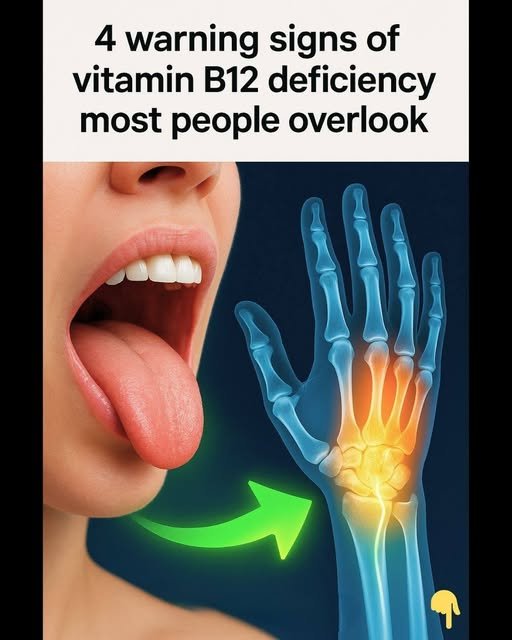
4 Alarming Symptoms of Vitamin B12 Deficiency You Shouldn’t Ignore
Vitamin B12 (cobalamin) is an essential vitamin needed for red blood cell production, nerve function, DNA synthesis, and brain health. A deficiency can develop slowly, and symptoms may be mistaken for stress, ageing, or other health problems. If left untreated, vitamin B12 deficiency can cause permanent nerve damage in some cases.
Below are four important warning signs that should not be ignored.
1. Tingling, Numbness, or “Pins and Needles” (Nerve Problems)
One of the most concerning signs of vitamin B12 deficiency is damage to the nerves (peripheral neuropathy).
What it may feel like:
- Tingling or burning sensations in the hands, feet, arms, or legs
- Numbness or reduced ability to feel touch
- A “pins and needles” feeling
- Electric shock-like sensations
- Difficulty walking or feeling unsteady
Why it happens:
Vitamin B12 helps maintain the protective covering around nerves called myelin. When B12 levels are too low, nerve signals can become disrupted.
Why it is serious:
If nerve damage continues for a long time, symptoms may become difficult to reverse even after B12 levels improve.
2. Extreme Tiredness and Weakness (Anaemia)
Persistent fatigue is one of the most common symptoms of vitamin B12 deficiency.
Possible signs:
- Feeling exhausted even after enough sleep
- Low energy throughout the day
- Muscle weakness
- Shortness of breath during normal activities
- Dizziness or light-headedness
- Pale or yellowish skin
Why it happens:
Vitamin B12 is needed to make healthy red blood cells. Without enough B12, the body may produce unusually large and abnormal red blood cells, leading to megaloblastic anaemia.
Because fewer healthy red blood cells carry oxygen around the body, tissues receive less oxygen, causing tiredness and weakness.
3. Memory Problems, Confusion, or Mood Changes
Vitamin B12 plays an important role in brain and nervous system function. A deficiency can affect mental health and thinking ability.
Warning signs include:
- Forgetfulness
- Difficulty concentrating
- Confusion
- Poor judgement
- Feeling unusually anxious or depressed
- Irritability
- Changes in personality
Why it happens:
Low B12 may interfere with nerve communication and the production of chemicals involved in brain function.
Who should pay extra attention:
Older adults are at higher risk because B12 absorption can decrease with age, and symptoms may sometimes look like normal ageing or cognitive decline.
4. Changes in the Mouth, Tongue, and Digestive System
Vitamin B12 deficiency can affect tissues that regenerate quickly, including those in the mouth and digestive tract.
Symptoms may include:
- A swollen, red, painful tongue (glossitis)
- Burning sensation in the mouth
- Mouth ulcers
- Loss of appetite
- Weight loss
- Constipation or digestive discomfort
Why it happens:
B12 is needed for normal cell production. When levels are low, the lining of the mouth and digestive system may become affected.
Other Possible Symptoms of Vitamin B12 Deficiency
Some people may also experience:
- Blurred vision due to nerve problems affecting the eyes
- Balance problems
- Muscle cramps
- Heart palpitations
- Reduced sense of taste or smell
- Pale skin
- Low blood pressure
Common Causes of Vitamin B12 Deficiency
Vitamin B12 deficiency can occur due to:
1. Low intake of B12-rich foods
Vitamin B12 is mainly found in animal products such as:
- Meat
- Fish
- Eggs
- Milk and dairy products
People following a strict vegan diet may be at risk unless they use fortified foods or supplements.
2. Absorption problems
The body may not absorb B12 properly because of:
- Pernicious anaemia (an autoimmune condition)
- Stomach or intestinal disorders
- Certain surgeries affecting the digestive system
3. Certain medications
Some medicines can reduce B12 absorption, including some long-term acid-reducing medications and metformin used for diabetes.
Who Is More at Risk?
Higher-risk groups include:
- Adults over 60 years old
- People following vegan or vegetarian diets without supplementation
- People with digestive disorders
- People who have had stomach or bowel surgery
- People taking certain long-term medications
- People with autoimmune conditions
When Should You See a Doctor?
Seek medical advice if you have:
- Persistent numbness or tingling
- Difficulty walking or balance problems
- Severe unexplained fatigue
- Memory or mood changes
- Symptoms lasting several weeks
A healthcare professional can check vitamin B12 levels with a blood test and may also assess related markers such as methylmalonic acid (MMA) or homocysteine if needed.
Treatment
Treatment depends on the cause and severity of deficiency.
Options may include:
- Vitamin B12 tablets or supplements
- B12 injections (especially if absorption is poor)
- Increasing B12-rich foods in the diet
Many symptoms improve after treatment, but nerve-related symptoms may take longer and can become permanent if deficiency is severe or untreated for a long time.
Important: These symptoms are not specific only to vitamin B12 deficiency. Other medical conditions can cause similar problems, so proper testing is the best way to confirm the cause.