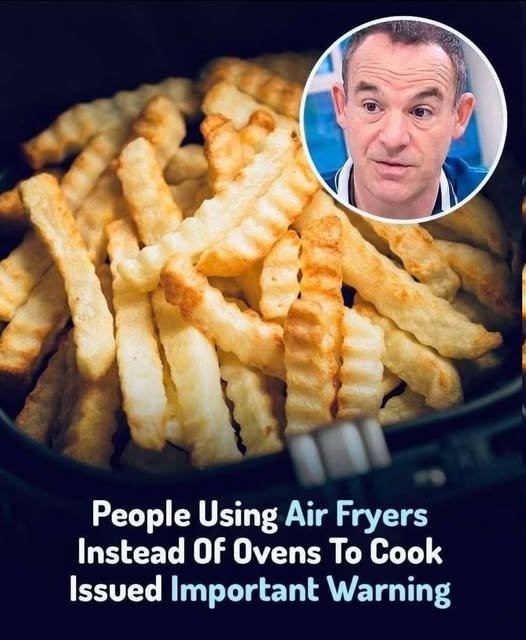
Experts generally do not recommend avoiding air fryers altogether, but they do caution against assuming an air fryer is always a better replacement for a conventional oven. The right choice depends on the type of food, portion size, cooking method, and safety considerations.
Here are the main reasons experts say an air fryer should not always replace an oven:
1. Limited cooking capacity
Air fryers have relatively small baskets or trays. Overcrowding prevents hot air from circulating properly, leading to uneven cooking.
Suitable for: 1–4 servings, depending on the model.
Less suitable for: Large family meals, whole roasts, multiple trays of food, or large batches of baking.
A conventional oven is generally more efficient for preparing larger quantities at once.
2. Not ideal for every type of cooking
Air fryers excel at foods that benefit from rapid hot-air circulation, such as:
Frozen chips
Chicken wings
Vegetables
Fish fillets
However, ovens are often better for:
Large cakes
Bread
Large casseroles
Lasagne
Whole turkeys
Multi-level baking
Some baked goods may cook unevenly in an air fryer because of the stronger airflow.
3. Higher risk of overcooking
Because air fryers use a compact cooking chamber and powerful air circulation, food often cooks 20–30% faster than in an oven.
Without adjusting:
Temperature
Cooking time
Food thickness
food can become:
Dry
Tough
Burnt on the outside while remaining undercooked inside.
4. Food safety concerns
Experts stress that cooking appliances are only safe when foods reach the appropriate internal temperature.
Examples include:
Poultry: 74°C (165°F)
Ground meats: 71°C (160°F)
An air fryer can cook meat safely, but thicker cuts may brown quickly before the centre is fully cooked. Using a food thermometer is the most reliable way to confirm doneness.
5. Potential formation of harmful compounds
Very high-temperature cooking methods—including air frying, baking, roasting, and deep frying—can produce compounds such as acrylamide in some starchy foods (for example, potatoes). Air frying often produces less acrylamide than deep frying, but heavily browning or burning foods can increase its formation.
To reduce this risk:
Avoid overcooking.
Aim for a golden-yellow colour rather than dark brown.
Follow recommended cooking times and temperatures.
6. Plastic and non-stick coating considerations
Many air fryer baskets have non-stick coatings.
Experts recommend:
Avoiding metal utensils that can scratch the coating.
Replacing damaged baskets with peeling or flaking coatings.
Following the manufacturer’s cleaning instructions.
Current evidence indicates that modern non-stick cookware is generally safe when used within the manufacturer’s recommended temperature limits.
7. Cleaning and maintenance
If grease accumulates:
Smoke may develop during cooking.
Unpleasant odours can occur.
Performance may decline.
Regular cleaning of:
Basket
Tray
Heating area (if accessible according to the manufacturer’s instructions)
helps maintain performance and reduces smoke.
8. Energy use
Air fryers often use less electricity than full-sized ovens for small meals because they heat up quickly and have a smaller cooking chamber.
However, if you’re cooking several batches to feed a larger group, a conventional oven may end up being more practical and can sometimes use less energy overall than running multiple air-fryer cycles.
9. Texture differences
Air fryers produce crisp exteriors using circulating hot air, but they cannot perfectly replicate every cooking method.
For example:
Pizza may have a crisp top but a different crust texture than when baked on a pizza stone in an oven.
Large joints of meat may roast more evenly in an oven.
Delicate pastries can dry out or brown too quickly.
When an air fryer is a good choice
An air fryer is well suited for:
Small meals
Reheating leftovers
Roasting vegetables
Cooking frozen foods
Preparing foods with little or no added oil
Faster weekday cooking
When an oven is a better choice
A conventional oven is generally preferable for:
Large family meals
Baking cakes and bread
Multiple dishes at once
Large roasts and casseroles
Batch cooking
Overall conclusion
Most cooking and nutrition experts do not advise replacing ovens with air fryers in every situation. Instead, they view the two appliances as complementary. Air fryers are excellent for quickly cooking small portions with little added oil, while conventional ovens remain the better option for larger meals, baking, and recipes that require even, gentle heating over a larger space.