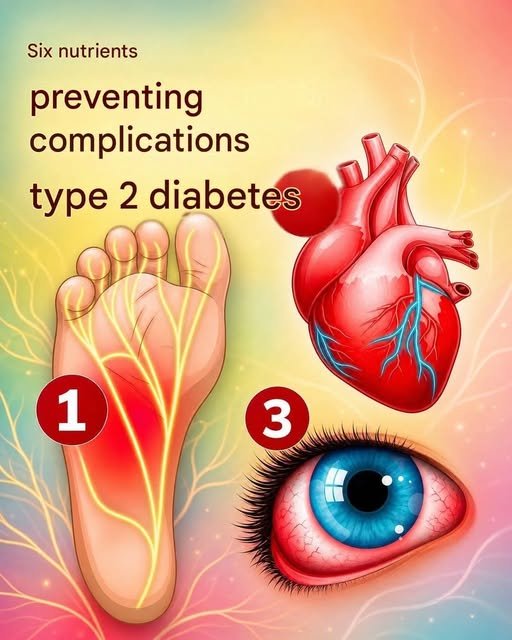
Diabetes complications (such as heart disease, kidney disease, nerve damage, and eye problems) can often be reduced by maintaining healthy blood sugar levels and eating a balanced diet. The following six nutrients play an important role in preventing or delaying diabetes-related complications.
1. Dietary Fibre
What it is:
Dietary fibre is the indigestible part of plant foods. It is found in fruits, vegetables, whole grains, legumes, nuts, and seeds.
Benefits:
- Slows the absorption of glucose into the bloodstream.
- Helps control blood sugar levels.
- Lowers cholesterol, reducing the risk of heart disease.
- Promotes healthy digestion and prevents constipation.
- Helps maintain a healthy body weight.
Food sources:
- Oats
- Brown rice
- Whole wheat bread
- Beans and lentils
- Apples
- Pears
- Broccoli
- Carrots
Recommended intake:
- Adults: 25–38 g of fibre per day.
2. Omega-3 Fatty Acids
What they are:
Omega-3 fatty acids are healthy fats that reduce inflammation and support heart health.
Benefits:
- Lowers triglyceride levels.
- Reduces inflammation.
- Protects against heart disease and stroke.
- May improve insulin sensitivity.
- Supports brain and eye health.
Food sources:
- Salmon
- Sardines
- Mackerel
- Tuna
- Flaxseeds
- Chia seeds
- Walnuts
Recommended intake:
- Eat oily fish 2 times per week or include plant-based omega-3 sources regularly.
3. Magnesium
What it is:
Magnesium is a mineral involved in hundreds of body functions, including blood sugar regulation.
Benefits:
- Improves insulin function.
- Helps control blood glucose.
- Supports healthy muscles and nerves.
- Reduces the risk of high blood pressure.
- Promotes heart health.
Food sources:
- Spinach
- Almonds
- Pumpkin seeds
- Cashews
- Black beans
- Whole grains
Recommended intake:
- Men: 400–420 mg/day
- Women: 310–320 mg/day
4. Vitamin D
What it is:
Vitamin D helps the body absorb calcium and supports immune function.
Benefits:
- May improve insulin sensitivity.
- Supports healthy bones.
- Reduces the risk of osteoporosis.
- Strengthens the immune system.
- May lower inflammation.
Food sources:
- Sunlight exposure
- Egg yolks
- Fortified milk
- Fortified cereals
- Salmon
- Mushrooms exposed to UV light
Recommended intake:
- Adults: 600–800 IU (15–20 micrograms) per day, depending on age and individual needs.
5. Antioxidant Vitamins (Vitamin C and Vitamin E)
Vitamin C
Benefits:
- Protects cells from damage caused by high blood sugar.
- Helps wound healing.
- Supports the immune system.
- Promotes healthy blood vessels.
Food sources:
- Oranges
- Guava
- Kiwi
- Strawberries
- Bell peppers
- Tomatoes
Vitamin E
Benefits:
- Protects nerves and blood vessels.
- Reduces oxidative stress.
- Supports heart health.
Food sources:
- Almonds
- Sunflower seeds
- Peanuts
- Spinach
- Avocados
6. Potassium
What it is:
Potassium is a mineral that helps maintain fluid balance and supports muscle and nerve function.
Benefits:
- Helps control blood pressure.
- Supports heart function.
- Reduces the risk of stroke.
- Helps muscles and nerves work properly.
- May reduce the risk of kidney complications when kidney function is normal.
Food sources:
- Bananas
- Sweet potatoes
- Spinach
- Tomatoes
- Beans
- Oranges
- Yogurt
Recommended intake:
- Adults: about 3,500–4,700 mg/day, depending on national guidelines and individual health.
Note: People with diabetic kidney disease should not increase potassium intake without medical advice, as high potassium levels can be dangerous.
Summary Table
| Nutrient | Main Function | Good Food Sources |
|---|---|---|
| Dietary fibre | Controls blood sugar and cholesterol | Whole grains, beans, fruits, vegetables |
| Omega-3 fatty acids | Protects heart and reduces inflammation | Salmon, sardines, walnuts, flaxseeds |
| Magnesium | Improves insulin action | Spinach, nuts, seeds, whole grains |
| Vitamin D | Supports insulin function and bone health | Sunlight, fortified dairy, eggs, salmon |
| Vitamins C & E | Protect against cell damage and aid healing | Citrus fruits, berries, almonds, sunflower seeds |
| Potassium | Helps regulate blood pressure and heart function | Bananas, spinach, beans, sweet potatoes |
Important note
No single nutrient can prevent diabetes complications on its own. The best protection comes from combining a balanced diet with regular physical activity, maintaining a healthy weight, taking prescribed medications, avoiding smoking, limiting alcohol, and keeping blood glucose, blood pressure, and cholesterol within target ranges. Regular medical check-ups, including eye, kidney, and foot examinations, are also essential for preventing or detecting complications early.