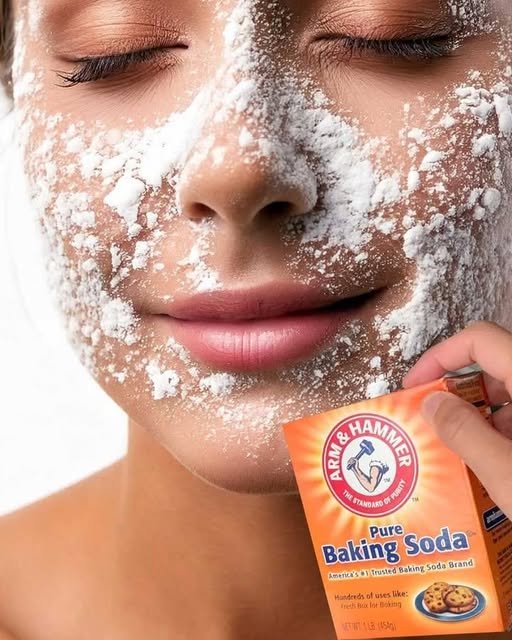
Erase Age Spots Naturally: How Baking Soda Can (and Cannot) Help Your Skin
Age spots (also called sun spots, liver spots, or solar lentigines) are flat brown, grey, or dark patches that commonly appear on areas of skin exposed to sunlight, such as the face, hands, shoulders, arms, and chest. Many people look for natural remedies to fade them, and baking soda is often promoted online as a solution. However, it is important to understand what baking soda can realistically do and what treatments are more effective.
What Causes Age Spots?
Age spots develop mainly because of long-term sun exposure. Ultraviolet (UV) rays stimulate skin cells called melanocytes to produce more melanin (the pigment that gives skin its colour). Over time, this excess pigment can collect in certain areas, creating dark patches.
Other factors that may contribute include:
- Natural ageing — skin repairs itself more slowly with age.
- Genetics — some people are more prone to pigmentation.
- Hormonal changes — such as pregnancy or hormonal medications.
- Repeated sun exposure without protection.
- Skin inflammation or injuries that leave darker marks.
What Is Baking Soda?
Baking soda (sodium bicarbonate) is a fine white powder commonly used in cooking and cleaning. In skincare, it is sometimes used because:
- It has a mild exfoliating texture.
- It is alkaline, which means it can affect the skin’s natural acidity.
- It may temporarily make skin feel smoother by removing surface dead skin cells.
However, baking soda is not a proven age-spot remover.
Can Baking Soda Remove Age Spots?
The short answer: Not completely.
Baking soda may help remove some dead skin cells from the surface, which can make skin appear brighter temporarily. But age spots are caused by pigment deeper within the skin, and baking soda does not significantly reduce melanin production.
There is no strong scientific evidence that applying baking soda:
- Erases age spots permanently
- Breaks down pigmentation
- Reverses sun damage
- Creates “flawless skin”
Why Do People Think Baking Soda Works?
Some people notice improvement because baking soda can:
1. Exfoliate the Skin
The small particles may remove surface buildup, making dull skin look smoother.
2. Temporarily Brighten Appearance
Removing dead cells can reveal fresher-looking skin underneath.
3. Reduce Oiliness
Because it absorbs oils, some people with oily skin feel their skin looks cleaner after use.
However, these effects are temporary and do not treat the underlying cause of age spots.
Risks of Using Baking Soda on Your Face
Your skin naturally has a slightly acidic protective layer called the acid mantle. Baking soda is alkaline and may disturb this balance.
Possible side effects include:
Dryness
Baking soda can remove natural oils, leaving skin tight or flaky.
Irritation
Some people may experience:
- Redness
- Burning
- Itching
- Sensitivity
Damaged Skin Barrier
Frequent use may weaken the skin barrier, making skin more vulnerable to irritation and environmental damage.
Darker Marks After Irritation
Inflamed skin can sometimes develop post-inflammatory hyperpigmentation, making dark spots worse.
If You Still Want to Try Baking Soda
If you choose to experiment, use caution:
Avoid:
- Using it every day
- Scrubbing aggressively
- Applying it to broken or sensitive skin
- Using it around the eyes
Safer approach:
- Test a small area first (patch test).
- Stop immediately if irritation occurs.
- Moisturise afterwards.
- Always use sunscreen during the day.
Natural Ingredients That May Help With Uneven Skin Tone
While natural remedies do not usually erase age spots completely, some ingredients have better evidence for supporting brighter skin:
1. Aloe Vera
Contains compounds that may help soothe skin and support healing. Some studies suggest aloe components may influence pigmentation pathways.
2. Vitamin C
A powerful antioxidant that can:
- Reduce oxidative stress from UV exposure
- Support brighter-looking skin
- Help even skin tone
3. Niacinamide (Vitamin B3)
A skincare ingredient that may:
- Reduce the appearance of dark spots
- Improve skin barrier strength
- Calm redness
4. Licorice Extract
May help reduce excess pigmentation by affecting melanin production pathways.
5. Green Tea Extract
Contains antioxidants that may help protect skin from environmental stress.
The Most Effective Ways to Fade Age Spots
1. Daily Sunscreen (Most Important Step)
A broad-spectrum sunscreen of SPF 30 or higher helps prevent existing spots from becoming darker and reduces the formation of new ones.
Use sunscreen:
- Every morning
- Even on cloudy days
- On hands, neck, and chest as well as the face
2. Retinoids
Retinoids (such as retinol or prescription tretinoin) encourage skin renewal and may gradually improve pigmentation and texture.
Benefits:
- Faster cell turnover
- Smoother skin
- Reduced appearance of dark spots over time
3. Chemical Exfoliants
Ingredients such as:
- Glycolic acid
- Lactic acid
- Salicylic acid
can remove dead skin cells and improve uneven tone.
4. Professional Treatments
For stronger results, dermatologists may recommend:
Laser Treatment
Targets pigmentation directly.
Chemical Peels
Remove damaged surface layers of skin.
Cryotherapy
Freezes and removes certain age spots.
Intense Pulsed Light (IPL)
Uses light energy to target pigmentation.
A Simple Natural-Looking Skincare Routine for Age Spots
Morning:
- Gentle cleanser
- Vitamin C or niacinamide serum
- Moisturiser
- SPF 30+ sunscreen
Night:
- Cleanser
- Retinol (if suitable for your skin)
- Moisturiser
Consistency is usually more important than harsh treatments.
When to See a Dermatologist
Not every dark spot is an age spot. Get a skin check if a spot:
- Changes shape or colour
- Has uneven borders
- Grows quickly
- Bleeds or crusts
- Looks different from your other spots
A dermatologist can confirm whether it is harmless pigmentation or something needing treatment.
Bottom Line
Baking soda may make skin feel temporarily smoother, but it does not scientifically erase age spots. For safer and more effective results, focus on:
✅ Daily sunscreen
✅ Proven brightening ingredients like vitamin C and niacinamide
✅ Gentle exfoliation
✅ Retinoids when appropriate
✅ Professional advice for stubborn pigmentation
Healthy, even-looking skin usually comes from protecting it consistently rather than using harsh home remedies.