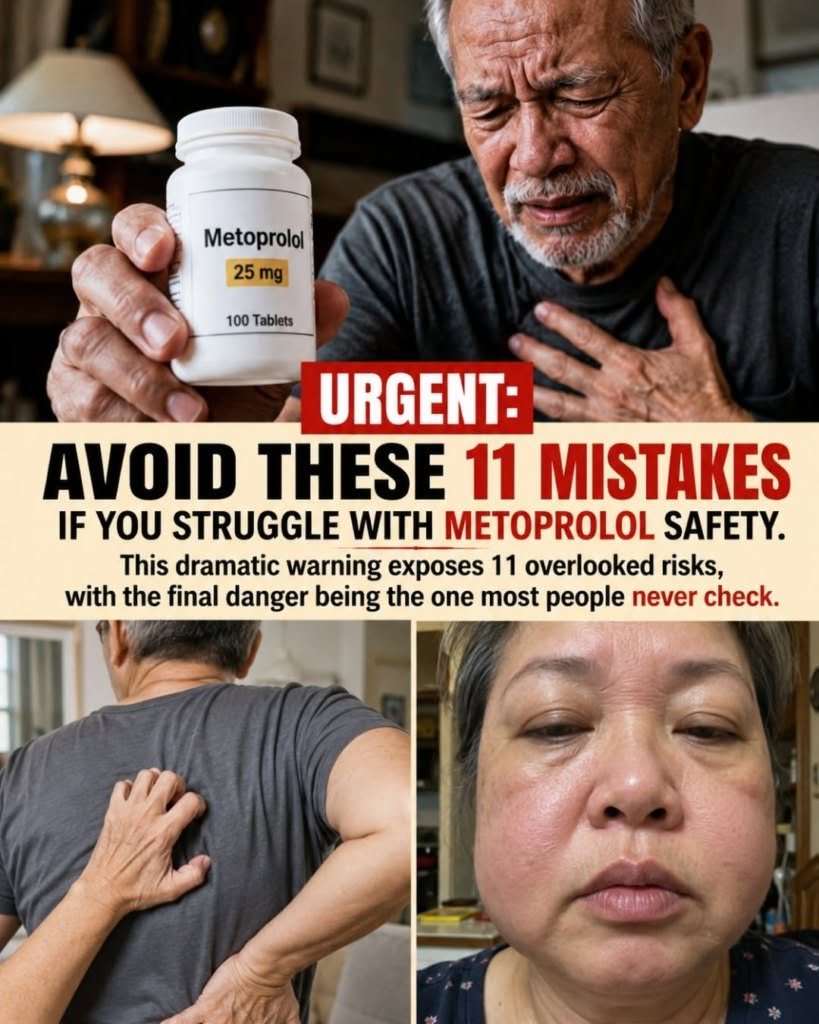
If you take metoprolol, safety matters because it slows the heart rate and lowers blood pressure. It is commonly used for high blood pressure, angina, certain heart-rhythm problems, and heart failure. The two main forms are metoprolol tartrate (usually immediate-release) and metoprolol succinate extended-release; they are not interchangeable on your own.
11 mistakes to avoid with metoprolol
1. Stopping metoprolol suddenly
This is one of the most important mistakes. Abrupt withdrawal can worsen angina and, in some people with coronary disease, contribute to serious cardiac problems. The prescribing information recommends gradual reduction when discontinuation is appropriate rather than abruptly stopping it.
Safer approach: Don’t discontinue or substantially reduce your dose without discussing it with the prescriber.
2. Taking an extra dose after forgetting one
If you miss a dose, don’t automatically double the next dose. MedlinePlus advises skipping the missed dose and continuing the normal schedule.
Taking extra metoprolol can excessively slow your heart rate or lower your blood pressure.
3. Confusing metoprolol tartrate and metoprolol succinate
The names are similar, but the formulations and dosing schedules differ. Extended-release metoprolol should be taken according to its specific instructions; extended-release tablets should not be crushed or chewed.
Check the bottle: make sure you know whether you have tartrate or succinate ER.
4. Ignoring an unusually slow heart rate
Metoprolol intentionally slows the heart, so some reduction in heart rate can be expected. But excessive slowing can become dangerous.
Pay particular attention to symptoms such as:
- fainting or near-fainting
- severe dizziness
- unusual weakness
- confusion
- difficulty breathing
- a very slow or irregular heartbeat
The official labeling lists bradycardia, hypotension, dizziness and shortness of breath among recognized adverse effects.
5. Assuming dizziness is always harmless
Dizziness or lightheadedness can occur with metoprolol, particularly when blood pressure becomes too low.
If dizziness is severe, recurrent, associated with fainting, or accompanied by chest pain or breathing difficulty, seek prompt medical evaluation rather than simply tolerating it.
6. Forgetting to tell your doctor about other heart medicines
Some combinations can produce excessive slowing of the heart.
The prescribing information specifically warns about combinations involving diltiazem, verapamil, digoxin (cardiac glycosides), and clonidine, because they can increase the risk of bradycardia or create other cardiovascular problems.
Never add, stop, or change these medicines without medical guidance.
7. Overlooking other medications that can raise metoprolol levels
Certain medicines inhibit CYP2D6, an enzyme involved in metoprolol metabolism. These drugs can increase metoprolol concentrations and potentially intensify its effects.
This is why your pharmacist should know about all prescription drugs, over-the-counter medicines, vitamins, supplements and herbal products you’re taking. 8. Assuming diabetes symptoms will feel exactly the same
Metoprolol can increase the risk of hypoglycemia in some circumstances and can mask some of the warning signs of low blood sugar, particularly symptoms such as a rapid heartbeat.
If you have diabetes, discuss glucose monitoring and what symptoms you should watch for with your clinician.
9. Failing to mention asthma or other breathing problems
Beta blockers can worsen bronchospasm in susceptible people. The metoprolol labeling specifically includes bronchospastic disease among its warnings.
Tell your clinician about asthma, COPD, wheezing, or previous breathing reactions before starting or changing treatment.
10. Not telling the surgeon or dentist you’re taking it
Metoprolol can be relevant to anesthesia, surgery, blood pressure and heart-rate management. Patients are advised to tell their doctor or dentist that they’re taking metoprolol before surgery or dental procedures.
Don’t independently stop it before surgery. Whether it should be continued depends on the circumstances and should be decided by the treating clinicians.
11. Waiting too long when serious symptoms appear
Some symptoms shouldn’t be written off as an ordinary medication side effect.
MedlinePlus advises immediate medical attention for symptoms including difficulty breathing, swelling of the legs/ankles, fainting, rapid/pounding/irregular heartbeat, or significant unexplained weight gain.
Seek emergency care now for severe trouble breathing, fainting, severe chest pain, collapse, or an inability to stay awake.
A particularly important point
Don’t try to determine whether your metoprolol dose is “too high” solely from your pulse or blood-pressure reading. The appropriate dose depends on why you’re taking it, which formulation you use, your other medicines, your medical history, and your symptoms.
If you tell me your metoprolol name (tartrate or succinate), strength in mg, how often you take it, your current blood pressure and pulse, and what safety concern you’re experiencing, I can explain what those numbers and symptoms generally mean and what would warrant contacting your doctor urgently.