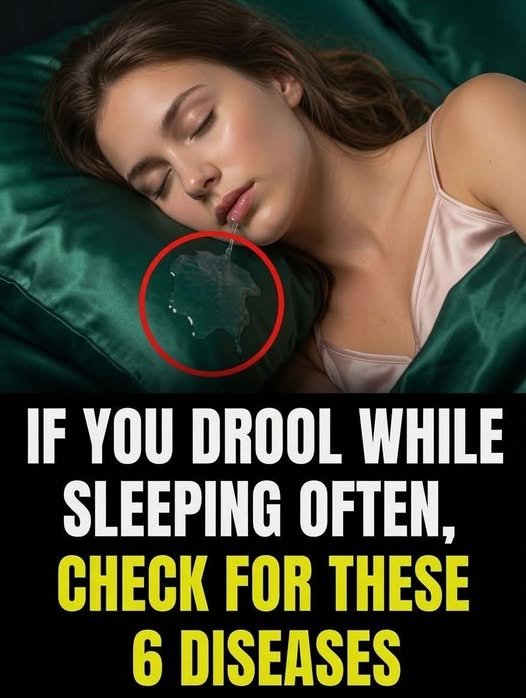
Here are six health conditions associated with nighttime drooling, along with their symptoms, causes, diagnosis, and treatment.
1. Obstructive Sleep Apnoea (OSA)
One of the most common medical causes of excessive nighttime drooling is Obstructive sleep apnoea.
What is it?
OSA occurs when the muscles in the throat relax repeatedly during sleep, partially or completely blocking the airway. These interruptions reduce oxygen levels and disturb sleep.
Why does it cause drooling?
- Sleeping with the mouth open
- Difficulty swallowing during sleep
- Increased saliva pooling
- Mouth breathing caused by blocked airways
Symptoms
- Loud snoring
- Pauses in breathing during sleep
- Gasping or choking
- Morning headaches
- Dry mouth
- Excessive daytime sleepiness
- Difficulty concentrating
Risk factors
- Obesity
- Large neck circumference
- Smoking
- Alcohol use
- Enlarged tonsils
- Family history
Diagnosis
A doctor may recommend:
- Sleep history
- Physical examination
- Overnight sleep study (polysomnography)
- Home sleep apnoea test
Treatment
- Weight loss
- Sleeping on your side
- Continuous Positive Airway Pressure (CPAP)
- Oral appliances
- Surgery (in selected cases)
2. Gastroesophageal Reflux Disease (GERD)
Gastroesophageal reflux disease occurs when stomach acid repeatedly flows back into the oesophagus.
Why does GERD cause drooling?
Acid reflux can trigger the body’s protective response to produce more saliva. This is sometimes called water brash.
Symptoms
- Heartburn
- Sour taste in the mouth
- Chest discomfort
- Difficulty swallowing
- Chronic cough
- Hoarseness
- Nighttime drooling
Risk factors
- Obesity
- Pregnancy
- Hiatal hernia
- Large evening meals
- Fatty foods
- Smoking
Diagnosis
Doctors may use:
- Medical history
- Endoscopy
- pH monitoring
- Oesophageal manometry
Treatment
- Avoid eating 2–3 hours before bed
- Elevate the head of the bed
- Weight management
- Acid-reducing medications
- Avoid trigger foods
3. Sinus Infections and Nasal Congestion
Blocked nasal passages force many people to breathe through the mouth while sleeping.
Common causes
- Common cold
- Allergies
- Sinus infections
- Nasal polyps
- Deviated nasal septum
Why drooling occurs
When breathing through the mouth:
- Lips remain open
- Saliva escapes more easily
- Swallowing frequency decreases
Symptoms
- Stuffy nose
- Facial pressure
- Thick mucus
- Headache
- Reduced sense of smell
- Mouth breathing
Treatment
Depends on the cause and may include:
- Saline nasal sprays or rinses
- Allergy management
- Appropriate medications
- Treating sinus infections
- Surgery for structural nasal problems if needed
4. Neurological Disorders
Several neurological conditions can interfere with normal swallowing and saliva control.
Examples include:
- Parkinson’s disease
- Stroke
- Amyotrophic lateral sclerosis (ALS)
- Cerebral palsy
Why they cause drooling
These conditions may affect:
- Facial muscles
- Tongue movement
- Swallowing reflex
- Muscle coordination
The issue is often reduced swallowing, rather than producing too much saliva.
Other symptoms
- Muscle weakness
- Tremors
- Balance problems
- Difficulty speaking
- Difficulty swallowing
- Facial muscle changes
Treatment
Depends on the underlying disorder and may include:
- Speech and swallowing therapy
- Medications to reduce saliva
- Botulinum toxin injections into the salivary glands
- Management of the underlying neurological condition
5. Oral and Dental Problems
Problems affecting the mouth can also increase drooling.
Examples include:
- Gum disease
- Tooth infections
- Poorly fitting dentures
- Mouth ulcers
- Misaligned teeth
Why it happens
Inflammation or irritation inside the mouth stimulates saliva production.
Symptoms
- Bleeding gums
- Tooth pain
- Bad breath
- Swollen gums
- Mouth sores
- Difficulty chewing
Treatment
- Regular dental care
- Professional cleaning
- Treating infections
- Improving oral hygiene
- Correcting dental appliances if needed
6. Medication Side Effects
Some medicines increase saliva production or make swallowing less effective.
Examples include certain:
- Antipsychotics
- Medicines for Alzheimer’s disease
- Some antibiotics
- Sedatives
- Anti-seizure medicines
Symptoms
- Increased saliva
- Wet pillow
- Mouth fullness
- Difficulty swallowing
What to do
Do not stop prescribed medication on your own. If you suspect a medicine is causing drooling, speak with your healthcare provider. They may:
- Adjust the dose
- Switch to an alternative medication
- Recommend treatments to manage excess saliva
Other Possible Causes
Nighttime drooling may also be linked to:
- Pregnancy-related hormonal changes
- Allergies
- Enlarged tonsils
- Mouth breathing
- Certain infections
- Sleeping position (especially side sleeping)
When Should You See a Doctor?
Occasional drooling is usually not a cause for concern. Seek medical advice if it:
- Begins suddenly without an obvious reason.
- Happens frequently or becomes severe.
- Is accompanied by choking, difficulty swallowing, or repeated coughing during sleep.
- Occurs with loud snoring, pauses in breathing, or excessive daytime sleepiness.
- Is associated with facial weakness, slurred speech, or other neurological symptoms.
- Causes skin irritation or significantly disrupts sleep.
If drooling is accompanied by sudden weakness, facial drooping, difficulty speaking, or confusion, seek emergency medical care immediately, as these may be signs of a stroke.
Tips to Reduce Nighttime Drooling
- Sleep on your back rather than your side if comfortable.
- Treat nasal congestion or allergies.
- Maintain good oral hygiene.
- Stay well hydrated.
- Avoid heavy meals and alcohol close to bedtime if reflux is a problem.
- Maintain a healthy weight, which can reduce the risk of sleep apnoea.
- Discuss persistent symptoms or possible medication side effects with a healthcare professional.
Key Takeaway
Most nighttime drooling is harmless and related to sleep position or mouth breathing. However, persistent or excessive drooling may indicate conditions such as obstructive sleep apnoea, gastroesophageal reflux disease, chronic nasal obstruction, neurological disorders, oral health problems, or medication side effects. If the symptom is new, worsening, or occurs alongside other concerning symptoms, a medical evaluation can help identify and treat the underlying cause.