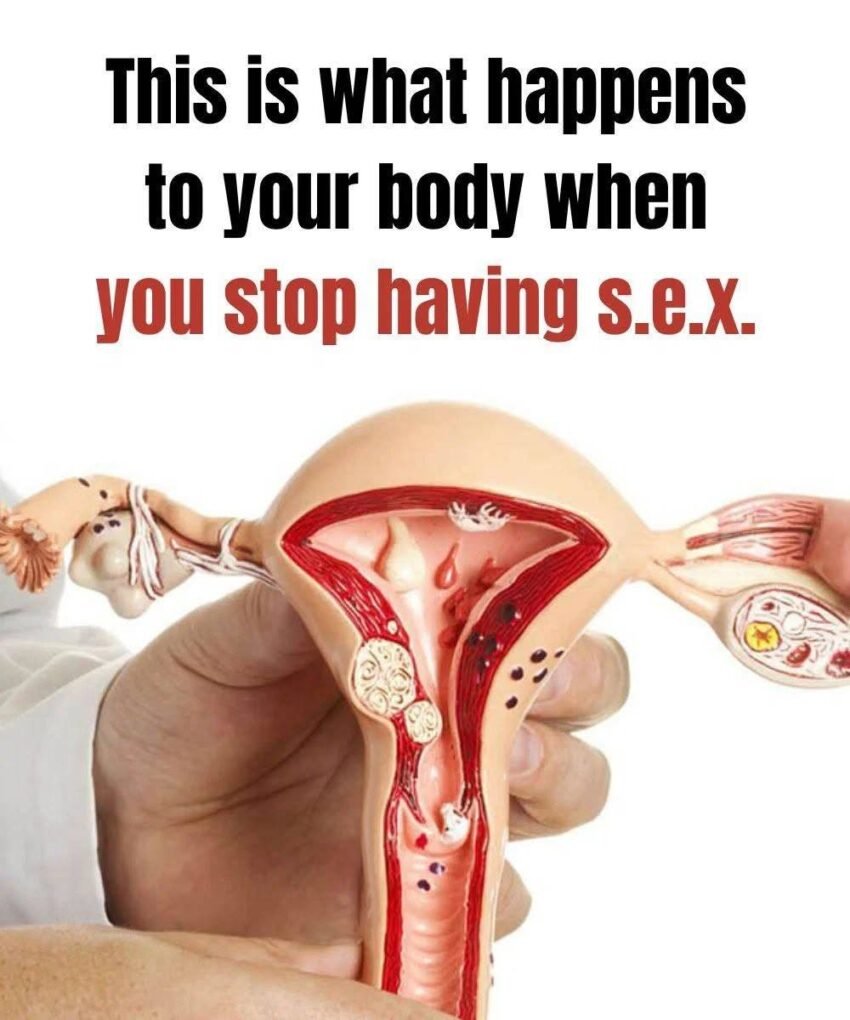
Here are the possible effects in detail:
1. Changes in sexual desire (libido)
When you stop having sex for a long period, your sexual desire may change:
- For some people, desire decreases: The brain can become less focused on sexual thoughts because sexual activity is no longer part of daily life.
- For others, desire increases: Some people experience stronger sexual urges, more fantasies, or increased sensitivity to sexual cues.
- Desire can come in waves: Hormones, stress, age, attraction, and emotional state influence libido more than the absence of sex itself.
The brain’s reward system (involving chemicals such as dopamine) responds to sexual activity, attraction, and pleasure. When sexual experiences stop, that system simply receives fewer sexual rewards; it does not become permanently damaged.
2. Changes in mood and emotions
Sex can release chemicals linked with bonding, pleasure, and relaxation, including:
- Dopamine: Associated with pleasure, motivation, and reward.
- Oxytocin: Often linked with emotional bonding and closeness.
- Endorphins: Natural chemicals that can reduce stress and improve mood.
Without sexual activity, some people may notice:
Possible emotional effects:
- Feeling less physically connected to others
- Missing intimacy or affection
- Increased loneliness (especially if sex was part of a close relationship)
- More frustration or restlessness
However, many people maintain excellent emotional health without sex by getting connection through:
- Friendships
- Family relationships
- Hobbies
- Exercise
- Creative activities
- Emotional intimacy
3. More sexual thoughts or fantasies
A long period without sex can sometimes make the brain focus more on sexual thoughts.
You may experience:
- More frequent fantasies
- More curiosity about sex
- Stronger reactions to sexual triggers
- Sexual dreams
This happens because the brain notices unmet desires and continues processing attraction and reproduction-related signals.
4. Stress and anxiety changes
Sex can act as a form of stress relief for some people. During sexual activity, the body may release chemicals that promote relaxation.
Without sex, some people might experience:
- More tension
- Difficulty relaxing
- Increased frustration
But sex is only one of many ways to regulate stress. Activities like:
- Exercise
- Meditation
- Social connection
- Sleep improvement
- Relaxation techniques
can provide similar mental benefits.
5. Changes in confidence and self-image
For some people, a long period without sex affects how they view themselves.
Possible experiences:
- Feeling less attractive
- Worrying about losing sexual confidence
- Feeling disconnected from dating or relationships
On the other hand, some people experience:
- Greater self-confidence
- Better understanding of their own needs
- More independence
- Less pressure around sex
The impact often depends on whether the person sees the absence of sex as a positive choice or an unwanted situation.
6. The brain does not “forget” how to have sex
A common fear is that after a long time without sex, you lose the ability to enjoy it.
Usually, this is not true.
The brain retains sexual memories and responses. When sexual activity begins again, most people can reconnect with those feelings. Some people may feel nervous at first, especially after a long break, but this is usually related to emotions, confidence, or relationship dynamics rather than brain changes.
7. Possible effects on relationships
If someone is in a relationship but not having sex, they may experience:
Positive effects:
- More focus on emotional connection
- Better communication
- More appreciation for non-sexual affection
Challenges:
- Feeling rejected
- Feeling disconnected
- Frustration if partners have different levels of sexual desire
Open communication often matters more than the amount of sex itself.
8. Physical and hormonal effects
For most healthy adults, not having sex does not cause major physical problems.
Possible observations:
- Men do not permanently lose testosterone from lack of sex.
- Women do not permanently lose sexual function from lack of sex.
- The body does not “store” sexual energy that becomes harmful.
- Fertility is generally not reduced simply because someone abstains.
Some research suggests regular sexual activity may have associations with certain health benefits, but those benefits can also come from other healthy behaviors.
9. If you stop sex after being very sexually active
The adjustment can feel stronger because your brain was used to regular sexual stimulation.
You might notice:
- Strong cravings
- Missing physical touch
- Changes in mood
- More sexual thoughts
This is similar to adjusting to a change in any rewarding routine, such as stopping a favorite activity.
10. Benefits some people experience from long periods without sex
Some people choose abstinence and report benefits such as:
- Better focus
- More time and energy for goals
- Less emotional distraction
- Improved self-control
- More clarity about relationships
- Greater confidence in making personal choices
These benefits are usually related to personal values, lifestyle changes, and mindset rather than abstinence itself creating special powers.
11. What happens after a very long break?
When someone resumes sexual activity after months or years, they may experience:
- Excitement and stronger emotions
- Nervousness or anxiety
- Need for communication with a partner
- Temporary sensitivity changes
Taking things slowly and focusing on comfort and connection can help.
In summary
Not having sex for a long time can affect the mind in different ways:
Possible challenges:
- Increased sexual frustration
- Feeling lonely or disconnected
- Changes in confidence
- More sexual thoughts
Possible benefits:
- More focus
- Greater self-awareness
- Emotional independence
- More time for other goals
The human brain is adaptable. A lack of sex alone does not harm the mind — what matters more is overall emotional health, relationships, stress levels, and how a person feels about their situation.