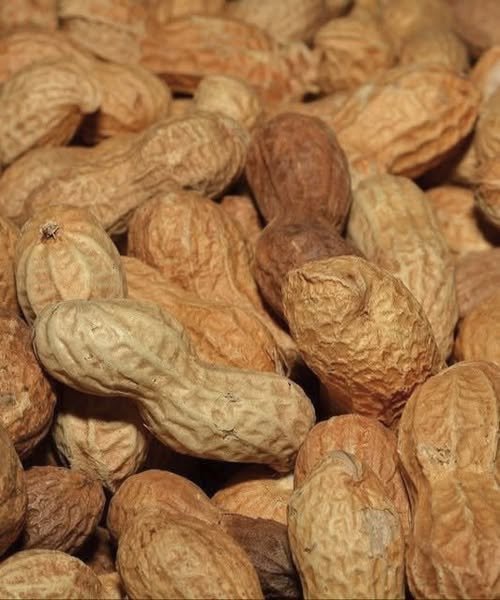
The claim “Doctors reveal that eating peanuts causes…” is incomplete. Peanuts do not generally cause harm for most people. In fact, they can be a nutritious part of a balanced diet. However, there are some situations where peanuts may cause health problems.
Health Benefits of Eating Peanuts
Peanuts are rich in nutrients, including:
- Protein: Helps build and repair muscles.
- Healthy fats: Mostly unsaturated fats that support heart health.
- Fibre: Aids digestion and helps you feel full.
- Vitamins and minerals: Such as vitamin E, magnesium, phosphorus, potassium, and folate.
- Antioxidants: Including resveratrol and other plant compounds that help protect cells.
Possible Health Risks
1. Peanut Allergy
This is the most serious risk.
- Even a small amount of peanut can trigger a severe allergic reaction in some people.
- Symptoms may include:
- Hives or rash
- Swelling of the lips, tongue, or throat
- Difficulty breathing
- Vomiting
- Anaphylaxis, a life-threatening emergency that requires immediate medical treatment.
2. High Calorie Content
Peanuts are energy-dense.
- About 28 grams (1 ounce) contains around 160–170 calories.
- Eating large quantities regularly may contribute to weight gain if total calorie intake exceeds your body’s needs.
3. Salt and Added Ingredients
Many packaged peanuts are:
- Salted
- Honey-roasted
- Flavoured with sugar or oils
Too much sodium or added sugar can increase the risk of:
- High blood pressure
- Heart disease
- Excess calorie intake
Choosing unsalted, dry-roasted, or raw peanuts is generally a healthier option.
4. Aflatoxin Contamination
Peanuts can sometimes be contaminated by mould that produces aflatoxins.
- High exposure over long periods has been linked to liver damage and an increased risk of liver cancer.
- Food safety regulations in many countries test peanuts to keep aflatoxin levels very low.
5. Digestive Problems
Some people may experience:
- Bloating
- Gas
- Stomach discomfort
This is more likely if large amounts are eaten or if someone has difficulty digesting high-fibre foods.
Can Peanuts Cause Heart Disease?
No. Research generally suggests the opposite.
Moderate consumption of peanuts and other nuts has been associated with:
- Better heart health
- Lower LDL (“bad”) cholesterol
- Reduced risk of cardiovascular disease when included as part of a healthy diet.
How Many Peanuts Are Healthy?
A typical serving is:
- About 28 grams (1 ounce), or roughly 28–35 peanuts.
This amount provides beneficial nutrients without excessive calories.
Who Should Avoid Peanuts?
People who should avoid peanuts include:
- Those with a diagnosed peanut allergy.
- People advised by their healthcare provider to avoid peanuts for specific medical reasons.
Conclusion
For most people, eating peanuts in moderation is safe and nutritious. They provide protein, healthy fats, fibre, vitamins, and minerals. The main concerns are peanut allergy, excessive consumption, heavily salted or sugary peanut products, and the rare risk of aflatoxin contamination. If you have a peanut allergy or develop symptoms after eating peanuts, seek medical advice before consuming them again.