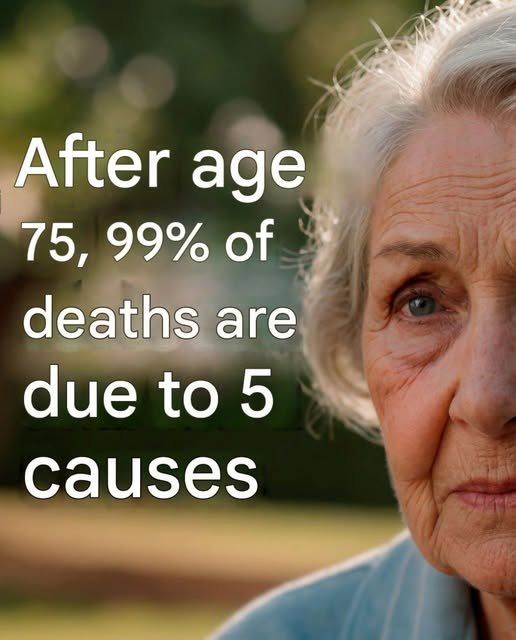
Here’s a detailed look at each condition and evidence-based ways to reduce risk.
1. Heart Disease (the leading cause)
What it is
Heart disease includes:
Heart attacks
Heart failure
Coronary artery disease
Abnormal heart rhythms
Risk factors
High blood pressure
High LDL (“bad”) cholesterol
Diabetes
Smoking
Obesity
Physical inactivity
Chronic stress
Poor sleep
Warning signs
Chest pain or pressure
Shortness of breath
Swelling in the legs
Fatigue
Dizziness
Irregular heartbeat
How to lower your risk
Exercise
Aim for at least 150 minutes of moderate physical activity each week if your health allows.
Include strength training at least twice a week.
Walking is one of the best forms of exercise for many older adults.
Eat a heart-healthy diet
Focus on:
Vegetables
Fruits
Whole grains
Beans and lentils
Fish (especially oily fish)
Nuts
Olive oil
Limit:
Processed foods
Sugary drinks
Excess salt
Saturated and trans fats
Control blood pressure
Check it regularly.
Many adults over 75 benefit from keeping blood pressure within the target range recommended by their clinician, though goals vary based on overall health.
Control cholesterol
Eat high-fiber foods.
Take prescribed medications if recommended.
Manage diabetes
Keep blood sugar within your target range.
Have regular eye, kidney, and foot checks.
2. Cancer
Common cancers after age 75 include:
Lung
Colon
Breast
Prostate
Pancreatic
Risk factors
Smoking
Alcohol
Obesity
Poor diet
Physical inactivity
Family history
Long-term sun exposure
Prevention
Don’t smoke
Stopping smoking lowers the risk of many cancers, even later in life.
Healthy diet
Eat more:
Fruits
Vegetables
Whole grains
Fiber-rich foods
Limit:
Processed meat
Excess red meat
Alcohol
Maintain a healthy weight
Excess body fat increases the risk of several cancers.
Stay active
Regular exercise helps lower the risk of several cancers.
Recommended screenings
Depending on your health and life expectancy, your healthcare professional may recommend or discontinue certain cancer screenings. Decisions are individualized.
3. Stroke
What happens?
A stroke occurs when blood flow to part of the brain is interrupted.
Risk factors
High blood pressure
Atrial fibrillation
Diabetes
High cholesterol
Smoking
Heart disease
Warning signs
Remember FAST:
Face drooping
Arm weakness
Speech difficulty
Time to call emergency services immediately
Prevention
Control:
Blood pressure
Cholesterol
Diabetes
Exercise regularly.
Eat a Mediterranean-style diet.
Treat atrial fibrillation if present, often with blood-thinning medication when appropriate.
4. Chronic Lung Disease (COPD and similar conditions)
Causes
Smoking
Air pollution
Occupational dust exposure
Chronic respiratory infections
Symptoms
Chronic cough
Wheezing
Shortness of breath
Frequent chest infections
Prevention
Stop smoking.
Avoid secondhand smoke.
Stay current with recommended vaccinations (such as influenza, COVID-19, and pneumococcal vaccines, based on current recommendations and your health status).
Stay physically active.
Practice breathing exercises if advised by your healthcare team.
5. Alzheimer’s Disease and Other Dementias
Risk factors
Increasing age
High blood pressure
Diabetes
Obesity
Smoking
Hearing loss
Physical inactivity
Social isolation
Early symptoms
Memory loss
Confusion
Difficulty planning
Getting lost
Personality changes
Ways to help reduce risk
While there is no guaranteed prevention, research suggests these habits may help support brain health:
Exercise
Regular aerobic exercise improves blood flow to the brain.
Mental stimulation
Examples include:
Reading
Learning new skills
Puzzles
Music
Language learning
Social engagement
Stay connected with:
Friends
Family
Community groups
Volunteer activities
Good sleep
Aim for about 7–8 hours of quality sleep if possible.
Treat hearing loss
Using hearing aids when needed may help maintain communication and cognitive function.
Habits That Help Reduce Risk Across All Five Conditions
Habit Why it matters
Don’t smoke Lowers risk of heart disease, cancer, stroke, and lung disease
Exercise regularly Improves heart, lung, brain, muscle, and bone health
Eat a balanced diet Supports cardiovascular and metabolic health
Maintain a healthy weight Reduces strain on the body and lowers disease risk
Control blood pressure Helps prevent heart disease, stroke, and kidney disease
Manage diabetes Protects blood vessels and nerves
Get enough sleep Supports immune function, mood, and cognition
Stay socially connected Supports mental and cognitive health
Stay up to date on vaccinations Helps prevent serious infections that can be more dangerous in older adults
Take medications as prescribed Helps control chronic conditions and reduce complications
Falls: Another Major Health Risk After 75
Although falls are not always listed among the top underlying causes of death, they are a major cause of injury, disability, and hospitalization in older adults.
To reduce fall risk:
Exercise to improve strength and balance (such as tai chi or balance training)
Review medications with your healthcare professional
Wear supportive footwear
Improve lighting at home
Remove tripping hazards
Have regular vision and hearing checks
Regular Health Checkups
Routine care can help detect and manage health problems early. Discuss with your healthcare professional:
Blood pressure checks
Cholesterol testing (when appropriate)
Diabetes screening and monitoring
Vision and hearing exams
Bone health
Vaccinations
Medication review
Cancer screening based on your age, overall health, and preferences
Key Takeaway
There is no guaranteed way to prevent these diseases, but healthy habits can meaningfully reduce risk and improve quality of life. The most effective long-term approach includes:
Staying physically active
Eating a nutritious, balanced diet
Avoiding tobacco
Limiting alcohol
Managing blood pressure, cholesterol, and diabetes
Sleeping well
Staying mentally and socially engaged
Keeping up with preventive healthcare and recommended vaccinations
These steps not only help reduce the risk of the most common causes of death after age 75 but also support independence, mobility, and overall well-being.