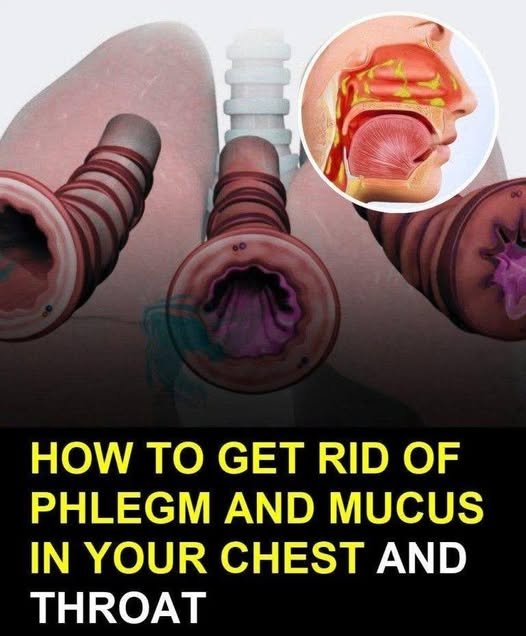
Here are 8 effective ways to help get rid of phlegm and mucus, along with important precautions.
1. Stay Well Hydrated
Drinking enough fluids helps thin mucus, making it easier to cough up or clear from your throat.
Best drinks:
- Warm water
- Herbal teas (ginger, peppermint, chamomile)
- Warm lemon water
- Clear broths
Aim for:
- Around 2–3 liters (8–12 cups) of fluids per day, unless your doctor has advised you to limit fluids.
Avoid:
- Excess alcohol, which can contribute to dehydration.
2. Inhale Steam
Warm, moist air can loosen thick mucus in the nose, throat, and lungs.
How to do it:
- Take a warm shower.
- Or fill a bowl with hot (not boiling) water.
- Lean over the bowl with a towel over your head.
- Breathe the steam for 5–10 minutes.
Safety:
- Be careful to avoid burns from hot water.
- Steam may not be suitable for everyone, especially young children.
3. Gargle with Warm Salt Water
Salt water can help soothe an irritated throat and clear mucus.
Recipe:
- 1/2 teaspoon salt
- 1 cup warm water
Instructions:
- Gargle for 30 seconds.
- Repeat 3–4 times daily.
Benefits:
- Reduces throat irritation
- Helps loosen mucus
- May temporarily reduce swelling
4. Use a Humidifier
Dry indoor air can make mucus thicker and more difficult to clear.
Tips:
- Keep indoor humidity around 30–50%.
- Clean the humidifier regularly to prevent mold and bacteria growth.
- Use distilled water if recommended by the manufacturer.
5. Eat Foods That May Help
Some foods may make mucus easier to clear or provide temporary symptom relief.
Helpful foods include:
- Ginger
- Garlic
- Turmeric
- Pineapple (contains bromelain, an enzyme that may have anti-inflammatory effects)
- Citrus fruits (if they don’t irritate your throat)
- Warm soups, especially chicken soup
Limit if they worsen symptoms for you:
- Highly processed foods
- Sugary drinks
There isn’t strong evidence that dairy increases mucus production in most people, although some people find it makes mucus feel thicker.
6. Try Over-the-Counter Medications (If Appropriate)
Some nonprescription medicines can help, depending on your symptoms.
Expectorants
- Products containing guaifenesin may help thin mucus so it is easier to cough up.
Saline nasal spray
- Helps moisturize nasal passages and loosen mucus.
Nasal irrigation
- Using sterile, distilled, or previously boiled and cooled water with a saline rinse can help clear mucus from the nose and sinuses.
Always follow the label directions and check with a healthcare professional if you have medical conditions, are pregnant, or are taking other medications.
7. Avoid Irritants
Certain substances can make mucus production worse.
Try to avoid:
- Cigarette smoke
- Vaping
- Strong perfumes
- Dust
- Air pollution
- Chemical fumes
If you smoke, quitting can significantly improve lung health over time.
8. Practice Controlled Coughing
Instead of repeated forceful coughing, controlled coughing can help move mucus more effectively.
Technique:
- Sit upright.
- Take a slow, deep breath.
- Hold it for 2–3 seconds.
- Cough firmly from your abdomen 2–3 times.
- Spit out the mucus rather than swallowing it if possible.
Gentle movement, such as walking, may also help loosen mucus.
When to See a Doctor
Seek medical care if you have:
- Mucus lasting more than 3–4 weeks
- High fever (especially if persistent)
- Chest pain
- Shortness of breath or difficulty breathing
- Wheezing that is new or worsening
- Coughing up blood
- Thick green or yellow mucus along with severe illness or high fever
- Symptoms that keep getting worse instead of improving
Common Causes of Excess Mucus
- Common cold
- Influenza (flu)
- Allergies
- Sinus infection
- Bronchitis
- Asthma
- COVID-19
- Smoking
- Air pollution
- Gastroesophageal reflux disease (GERD)
Quick Summary
| Method | How It Helps |
|---|---|
| Drink plenty of fluids | Thins mucus |
| Steam inhalation | Loosens chest congestion |
| Salt-water gargle | Clears throat mucus |
| Humidifier | Prevents mucus from drying out |
| Healthy foods | May reduce inflammation and soothe symptoms |
| Expectorants (guaifenesin) | Makes mucus easier to cough up |
| Avoid smoke and irritants | Reduces mucus production |
| Controlled coughing | Helps clear mucus from the lungs |
If your mucus is accompanied by significant breathing difficulty, severe chest pain, coughing up blood, or symptoms that are rapidly worsening, seek prompt medical evaluation.