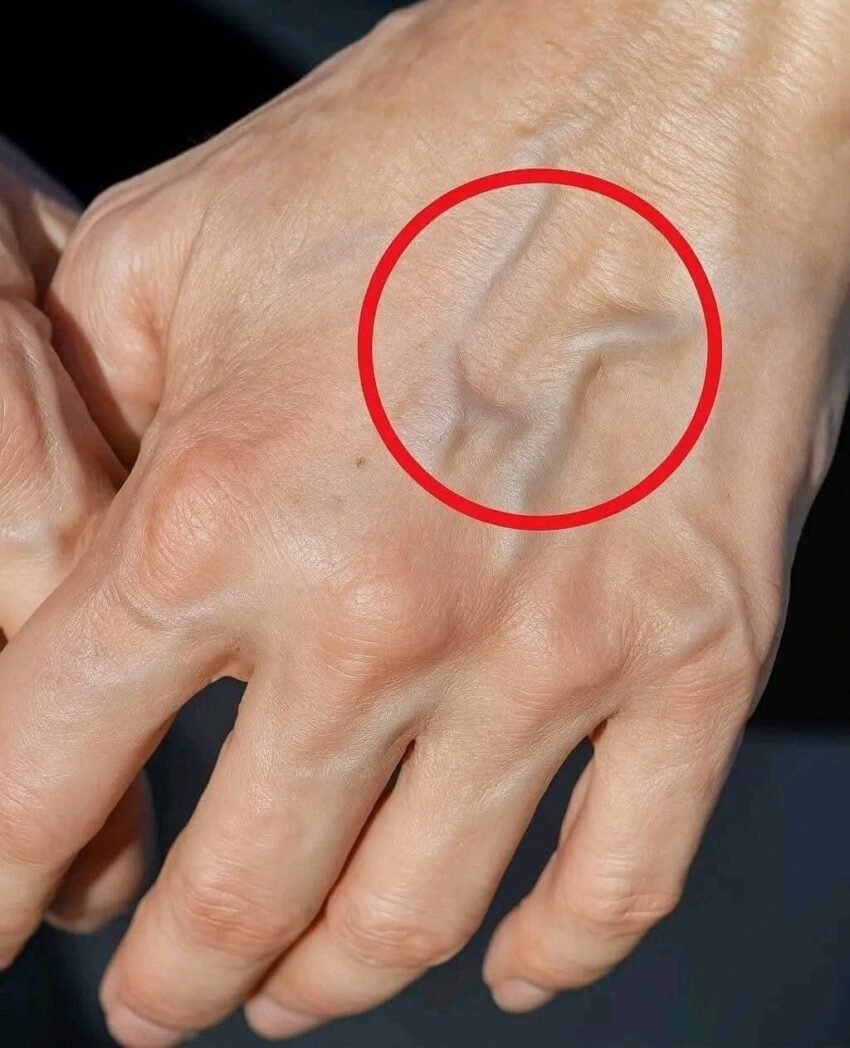
- If the veins on your hands seem less visible or “invisible,” it is often completely normal and can happen for several reasons. Visible veins vary greatly from person to person.
Common Reasons Hand Veins May Not Be Visible
1. Higher Body Fat Percentage
A layer of fat beneath the skin can make veins less noticeable.
Signs:
Smooth-looking hands
Veins are difficult to see even when warm or active
This is usually normal and not a health problem.
2. Thick or Less Translucent Skin
Some people naturally have skin that makes veins less visible.
Factors include:
Genetics
Age
Skin thickness
3. Cold Temperatures
When you’re cold, blood vessels constrict (narrow).
Signs:
Hands feel cool
Veins become less prominent
Veins may become more visible after warming up
4. Low Physical Activity at the Moment
Veins often become more visible during and after exercise because of increased blood flow.
You may notice:
Veins are faint at rest
Veins appear more prominent after physical activity
5. Age
Young people sometimes have less prominent hand veins, while veins often become more visible with age as the skin thins and loses elasticity.
When Less Visible Veins Could Be a Concern
The visibility of veins itself is usually not a medical issue. However, seek medical attention if you also have:
Significant swelling of the hand or arm
Pain
Changes in skin color
Numbness or weakness
Sudden changes affecting only one hand
These symptoms may indicate a circulation or vascular problem.
How to Make Veins More Visible (for Blood Draws, for Example)
Healthcare professionals may recommend:
Drinking adequate water
Warming the hands
Gently opening and closing the fist
Light physical activity before the procedure
Key Point
Having “invisible” or hard-to-see hand veins is usually a normal variation related to body composition, skin characteristics, temperature, and genetics. By itself, it is generally not a sign of illness. If you are experiencing additional symptoms such as swelling, pain, or color changes, a healthcare professional should evaluate them.