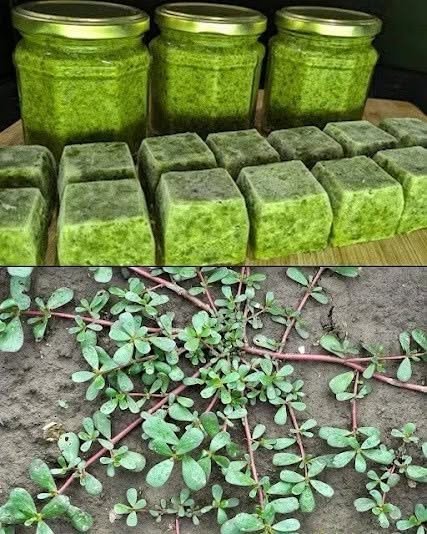
Here are some of the most likely examples:
1. Common purslane (often called the “gold mine” weed)
Purslane is one of the most nutritious wild edible plants.
Benefits:
- Rich in omega-3 fatty acids (unusual for a land plant).
- High in vitamins A, C, and E.
- Contains magnesium, potassium, calcium, and iron.
- Helps cover bare soil, reducing moisture loss.
- Attracts beneficial insects.
- Edible raw in salads or cooked like spinach.
How to identify it:
- Thick, reddish stems.
- Smooth, spoon-shaped succulent leaves.
- Tiny yellow flowers.
2. Common dandelion
Often pulled from lawns, but valuable in many gardens.
Benefits:
- Deep taproots loosen compacted soil.
- Draw nutrients from deep underground.
- Flowers provide early nectar for pollinators.
- Leaves, flowers, and roots are edible.
3. White clover
Sometimes considered a weed but highly beneficial.
Benefits:
- Fixes nitrogen in the soil, naturally fertilizing nearby plants.
- Supports bees and other pollinators.
- Requires less watering than traditional lawns.
- Improves soil health.
Why gardeners call these weeds a “gold mine”
Many so-called weeds:
- Improve soil structure.
- Prevent erosion.
- Feed bees, butterflies, and other beneficial insects.
- Provide edible leaves, flowers, or seeds.
- Act as natural mulch by shading the soil.
- Can indicate soil conditions (for example, some weeds thrive in compacted or nutrient-poor soils).
Instead of removing every weed, experienced gardeners often identify which plants are beneficial and leave those in place while removing only invasive or harmful species.
Important note
Not every weed is beneficial. Some invasive species spread aggressively and can outcompete desirable plants. Correct identification is important before deciding whether to keep a plant.
If you have a photo of the weed, upload it, and I can identify the species and explain its specific benefits, whether it’s edible, and whether it’s worth keeping in your garden.