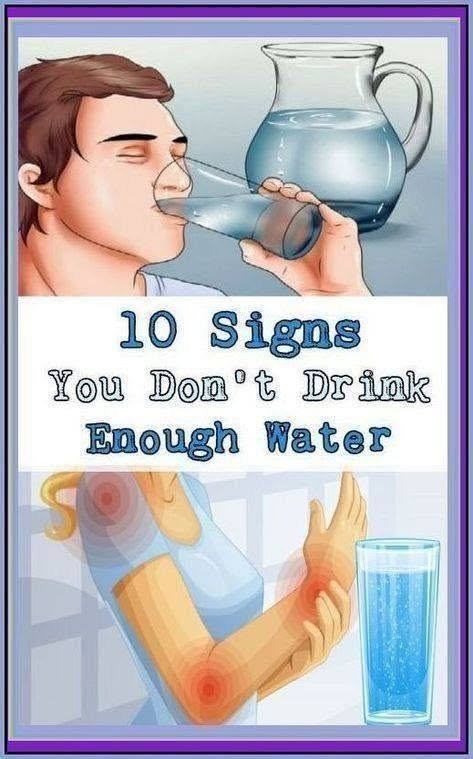
If you mean “10 Signs You’re Not Drinking Enough Water – Hydrates Your Body”, here are the common signs of dehydration and why staying hydrated matters:
10 Signs You’re Not Drinking Enough Water
- Feeling thirsty – Your body’s first signal that it needs more fluids.
- Dark yellow urine – Healthy urine is usually pale yellow. Darker urine often indicates dehydration.
- Dry mouth and lips – Lack of water reduces saliva production.
- Headaches – Dehydration can cause or worsen headaches.
- Fatigue or low energy – Even mild dehydration can make you feel tired.
- Dizziness or lightheadedness – Low fluid levels can affect blood pressure and circulation.
- Dry skin – Skin may feel less elastic or appear dry.
- Constipation – Water helps keep the digestive system moving smoothly.
- Muscle cramps – Dehydration and electrolyte imbalance can contribute to cramps.
- Difficulty concentrating – Not drinking enough water can affect memory, focus, and mood.
How Water Hydrates Your Body
Water is essential because it:
- Regulates body temperature through sweating.
- Transports nutrients and oxygen to cells.
- Supports digestion and helps prevent constipation.
- Lubricates joints.
- Cushions organs and tissues.
- Helps the kidneys remove waste through urine.
- Maintains healthy blood circulation.
How Much Water Should You Drink?
A common guideline is:
- Women: About 2.7 liters (91 ounces) of total fluids per day.
- Men: About 3.7 liters (125 ounces) of total fluids per day.
These totals include fluids from water, other beverages, and water-rich foods such as fruits and vegetables. Your needs may increase if you exercise, spend time in hot weather, are pregnant or breastfeeding, or have certain medical conditions.
If you experience severe dehydration symptoms—such as confusion, fainting, a very rapid heartbeat, or inability to keep fluids down—seek medical attention promptly.