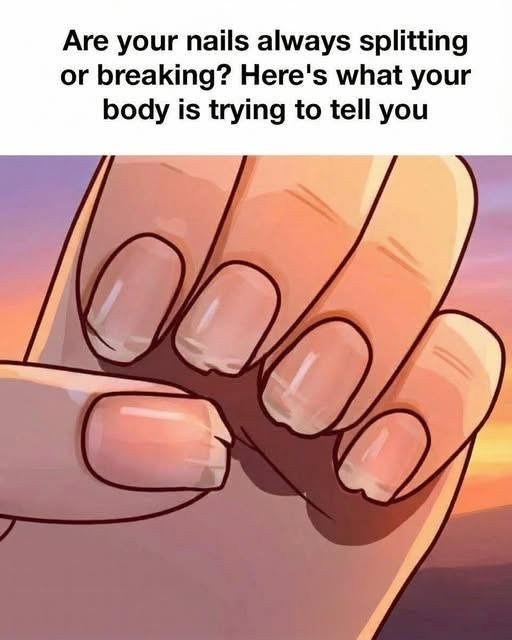
Ridges in fingernails are common, and in many cases they are harmless. However, the type of ridge, your age, and whether you have other symptoms can provide clues about what they may mean.
Types of Fingernail Ridges
1. Vertical Ridges (Most Common)
Vertical ridges run from the cuticle to the tip of the nail.
What they usually mean:
- Normal aging (the most common cause)
- Mild dehydration of the nail
- Minor injuries to the nail matrix (where the nail grows)
- Genetics
As people get older, nail growth slows, making vertical ridges more noticeable. These ridges are generally not a cause for concern.
Sometimes they may be associated with:
- Iron deficiency (in some people)
- Vitamin B12 deficiency
- Poor nutrition
- Inflammatory skin conditions such as eczema
2. Horizontal Ridges (Beau’s Lines)
Horizontal ridges or grooves run across the nail.
These can develop when nail growth temporarily stops due to:
- High fever
- Serious illness
- Major surgery
- Severe emotional or physical stress
- Chemotherapy
- Poorly controlled diabetes
- Zinc deficiency
Because fingernails grow slowly (about 3 millimeters per month), the position of the groove can sometimes help estimate when the illness or stress occurred.
What Nail Ridges May Indicate
Aging
The most common reason for vertical ridges is simply aging. Nearly everyone develops them over time.
Nutritional Deficiencies
Some deficiencies may contribute to nail changes, including:
- Iron
- Vitamin B12
- Folate
- Zinc
- Protein
If a deficiency is present, you may also notice:
- Fatigue
- Hair loss
- Pale skin
- Weakness
- Brittle nails
A healthcare professional can confirm deficiencies through blood tests rather than relying on nail appearance alone.
Dehydration
Dry nails may become:
- Rough
- Brittle
- More ridged
Regular moisturizing of the nails and cuticles may improve their appearance.
Thyroid Disorders
Both an underactive and overactive thyroid can affect nail growth.
Possible signs include:
- Brittle nails
- Slow nail growth
- Nail splitting
- Changes in nail texture
Autoimmune Diseases
Certain autoimmune conditions can affect the nail matrix, including:
- Psoriasis
- Lichen planus
- Alopecia areata
These conditions may also cause:
- Nail pitting
- Thickening
- Discoloration
- Nail separation from the nail bed
Injury
Even a small injury to the base of the nail can produce a ridge that remains until the nail fully grows out, which may take 4–6 months for a fingernail.
When Should You See a Doctor?
Seek medical evaluation if you notice:
- A new, deep horizontal groove on several nails
- Sudden changes affecting many nails
- Nail ridges with severe fatigue or unexplained weight loss
- White, black, or dark brown streaks that do not grow out
- Thickened, painful, or infected nails
- Nails becoming very brittle or breaking easily
- Nail changes along with skin rashes or joint pain
A dermatologist or primary care clinician can determine whether the changes are due to aging, nutritional issues, skin disease, or another medical condition.
Can Nail Ridges Be Treated?
Treatment depends on the cause.
For age-related ridges:
- Keep nails moisturized.
- Avoid harsh chemicals and excessive exposure to water.
- Wear gloves during cleaning.
- Maintain a balanced diet.
If a medical condition is responsible, treating the underlying problem often improves nail growth over several months.
Myths About Nail Ridges
Myth: Ridges always mean vitamin deficiency.
Fact: Most vertical ridges are simply a normal part of aging.
Myth: Supplements will always fix ridges.
Fact: Supplements help only if you actually have a confirmed deficiency. Taking unnecessary supplements is unlikely to change healthy nails.
Myth: One abnormal nail always signals disease.
Fact: A single ridged nail is often due to previous trauma rather than an underlying illness.
Key Takeaway
Most vertical fingernail ridges are a normal part of aging and are not harmful. Horizontal ridges (Beau’s lines) are more likely to reflect a temporary interruption in nail growth due to illness, significant stress, injury, or certain medical conditions. If nail changes appear suddenly, affect multiple nails, or occur with other symptoms such as fatigue, weight loss, pain, or discoloration, it’s a good idea to have them evaluated by a healthcare professional.