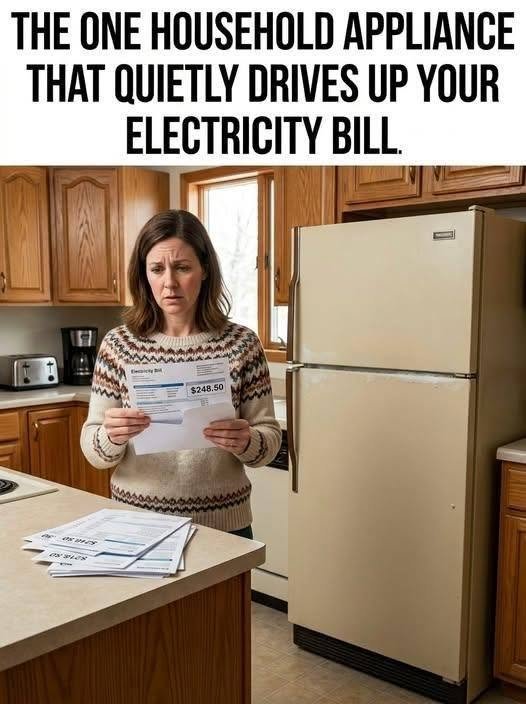
Many people assume that air conditioners or refrigerators are always the biggest contributors to their electricity bill. While those appliances do use a lot of power, one appliance that often quietly increases electricity costs every day is the electric water heater. Because it operates automatically and often runs unnoticed, it can account for 15–20% of a home’s total energy consumption, making it one of the largest hidden energy users.
Why an Electric Water Heater Uses So Much Electricity
Unlike appliances that you turn on and off, a water heater works around the clock.
It uses electricity to:
- Keep a tank of water hot 24 hours a day.
- Reheat water after showers, washing dishes, or doing laundry.
- Replace heat that escapes through the tank walls (called standby heat loss).
Even when no one is using hot water, the heater may switch on several times a day just to maintain the set temperature.
Typical Energy Consumption
A standard electric water heater usually has heating elements rated between 3,000 and 5,500 watts.
Example:
- 4,500-watt water heater
- Runs for about 3 hours per day
Daily electricity use:
4.5 kW × 3 hours = 13.5 kWh
If electricity costs $0.18 per kWh:
- Daily cost: about $2.43
- Monthly cost: about $73
- Annual cost: about $875
Actual costs depend on your electricity rate, household size, climate, and hot water usage.
Why It Goes Unnoticed
Most appliances make it obvious when they’re operating:
- Washing machines make noise.
- Dryers generate heat.
- Air conditioners can be heard running.
A water heater is often located in:
- A basement
- A utility room
- A garage
- A closet
Because it works automatically and quietly, many people forget it’s using electricity.
Other Appliances That Quietly Increase Electricity Bills
1. Second Refrigerator or Freezer
A spare refrigerator in a garage or basement runs continuously.
Older units can consume:
- 600–1,200 kWh per year
- Sometimes even more if they’re inefficient or kept in hot spaces.
2. Clothes Dryer
Electric dryers typically use:
- 2,000–5,000 watts
One load can use:
- 2–5 kWh
Multiple loads each week can add significantly to your bill.
3. Electric Oven
An electric oven generally uses:
- 2,000–5,000 watts
Long baking sessions can noticeably increase electricity use.
4. Space Heaters
Portable electric heaters often use:
- 1,500 watts
Running one for 8 hours:
1.5 kW × 8 = 12 kWh
That can cost more per day than many other household appliances.
5. Air Conditioner
Although not “hidden,” it’s usually the largest electricity user during hot weather.
Central AC systems can use:
- 3,000–5,000 watts (or more, depending on system size and efficiency)
Running for many hours each day can dominate a summer electric bill.
6. Pool Pump
If you own a swimming pool:
- Pumps often run 6–12 hours daily.
- Older pumps can consume large amounts of electricity.
7. Dehumidifier
Many people leave these running continuously.
Typical power:
- 300–700 watts
Operating all day can add a substantial monthly cost.
8. Gaming PCs and Desktop Computers
High-performance gaming systems can draw:
- 300–800 watts during intensive use.
Leaving them on for long periods increases electricity consumption.
9. Always-On Electronics
Devices such as:
- TVs
- Streaming boxes
- Cable boxes
- Wi-Fi routers
- Game consoles
- Smart speakers
often consume a small amount of electricity even when idle. Individually the impact is modest, but together they can add up over a year.
Signs Your Water Heater Is Costing Too Much
You may be using more electricity than necessary if:
- The unit is more than 10–15 years old.
- The thermostat is set higher than needed (around 120°F (49°C) is sufficient for many households, though some situations require higher temperatures).
- The tank or hot-water pipes are uninsulated.
- You notice leaks or hear popping and rumbling sounds from sediment buildup.
- Your household uses large amounts of hot water.
Ways to Reduce Water Heater Electricity Use
- Lower the thermostat to about 120°F (49°C) if appropriate for your household.
- Install an insulating blanket on older tanks (if recommended by the manufacturer).
- Insulate exposed hot-water pipes.
- Take shorter showers.
- Wash clothes in cold water when suitable.
- Repair dripping hot-water faucets.
- Flush sediment from the tank periodically if your manufacturer recommends it.
- Consider replacing an aging electric resistance water heater with a heat pump water heater, which can use 60–70% less electricity under the right conditions.
Which Household Appliances Usually Use the Most Electricity?
| Appliance | Typical Share of Home Electricity Use* |
|---|---|
| Heating and air conditioning | 35–50% (varies by climate and fuel type) |
| Electric water heater | 15–20% |
| Clothes dryer | 5–10% |
| Refrigerator | 4–8% |
| Lighting | 4–6% (often less with LEDs) |
| Dishwasher | 2–4% |
| Television and electronics | 2–5% |
*These are broad estimates for homes that use electricity for these functions. Actual usage varies with climate, home size, appliance efficiency, and local energy prices.
Key Takeaway
The electric water heater is one of the most overlooked contributors to a high electricity bill because it works automatically throughout the day, even when you’re not actively using hot water. While heating and cooling systems often consume the most energy overall, paying attention to your water heater’s settings, maintenance, and efficiency can lead to meaningful savings over time.