Here’s a detailed explanation of the most common “trick” and why it works.
The main trick: Remove clothes immediately
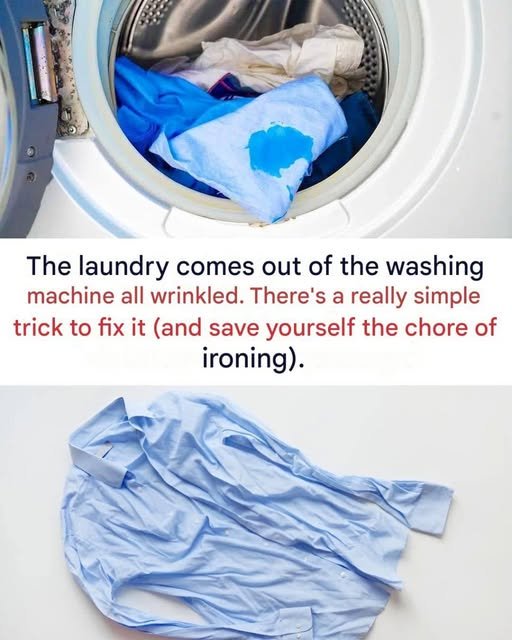
The biggest cause of wrinkles is leaving wet clothes sitting in the washing machine after the cycle finishes.
When the wash ends:
- Take the clothes out within a few minutes.
- Shake each garment vigorously 2–3 times.
- Smooth collars, sleeves, and pant legs with your hands.
- Hang shirts and dresses on hangers, or lay knitwear flat if recommended.
- Allow the garments to air dry or transfer them promptly to a dryer.
As clothes dry while hanging smoothly, many wrinkles disappear naturally.
Don’t overload the washing machine
Packing too many clothes into the drum means garments become tightly compressed during the wash and spin cycles.
A fuller drum leads to:
- More creasing
- Clothes twisting together
- Harder-to-remove wrinkles
Leaving some room for the clothes to move freely helps reduce wrinkles.
Reduce the spin speed
A very high spin speed (such as 1,400–1,600 rpm) extracts more water but can press wrinkles deeply into fabric.
For wrinkle-prone fabrics, many experts recommend:
- 800–1,000 rpm for shirts and blouses
- Lower spin for delicate fabrics
The clothes will be slightly wetter but often come out smoother.
Shake garments before drying
This simple step makes a noticeable difference.
Hold each item by the shoulders or waistband and give it a firm shake. This:
- Relaxes the fibers
- Straightens seams
- Removes folds before they dry in place
Hang clothes correctly
For best results:
- Button the top button of shirts.
- Smooth pockets and collars.
- Pull trouser legs straight.
- Hang garments with enough space between them so air can circulate.
Crowded drying racks can create new creases.
Use the right amount of detergent
Too much detergent can leave residue that stiffens fabric, making wrinkles more noticeable.
Measure detergent according to:
- Load size
- Water hardness
- Soil level
Choose an anti-crease or permanent-press cycle
Many washing machines have programs designed to reduce wrinkling by:
- Using gentler drum movements
- Lower spin speeds
- Ending with less compression of the clothes
If using a tumble dryer
Remove clothes while they’re still slightly warm. Fold or hang them immediately rather than leaving them in the dryer, where wrinkles can quickly develop as the load cools.
Does it really eliminate ironing?
Not entirely.
These methods work well for:
- T-shirts
- Casual shirts
- Jeans
- Cotton blends
- Sportswear
- Synthetic fabrics
However, items such as:
- Linen clothing
- Formal dress shirts
- Heavy cotton garments
- Pleated clothing
may still need ironing or steaming to achieve a crisp, polished appearance.
Bottom line
The “simple trick” is really a combination of good laundry habits:
- Remove clothes promptly after washing.
- Shake each garment before drying.
- Hang items neatly.
- Avoid overloading the machine.
- Use a moderate spin speed.
Following these steps can significantly reduce wrinkles and, for many everyday clothes, minimize or even eliminate the need for ironing.