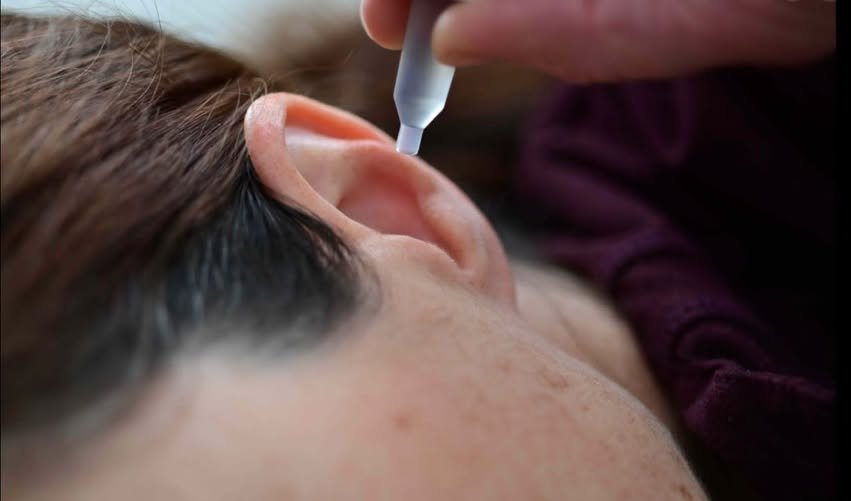
Yes. Hydrogen peroxide can help soften and loosen earwax, but it should be used carefully. It is generally better to use a commercial earwax-removal product containing hydrogen peroxide or carbamide peroxide and follow its label rather than putting concentrated household hydrogen peroxide directly into the ear. ENT Health lists hydrogen-peroxide drops among options that can help with earwax, while NHS guidance cautions that peroxide-containing drops can irritate or dry the ear canal if overused.
First: Do NOT use hydrogen peroxide if…
Avoid putting peroxide or other earwax drops into the ear if you:
- Have or suspect a perforated (hole in) eardrum.
- Have had recent ear surgery, unless your clinician has specifically told you it is safe.
- Have significant ear pain, drainage, bleeding, or an active ear infection.
- Have severe or sudden hearing loss that you haven’t had evaluated.
- Develop significant pain, dizziness, or irritation after putting drops in.
If you’re unsure whether your eardrum is intact, don’t experiment with peroxide—have your ear examined first.
Step-by-step: Using hydrogen-peroxide ear drops
1. Choose the right product
Prefer an OTC earwax-removal product specifically labeled for use in the ear, rather than ordinary household hydrogen peroxide.
Many earwax products use carbamide peroxide, which releases hydrogen peroxide in the ear. Follow the exact concentration and dosing instructions on your product.
Don’t substitute a stronger peroxide solution.
2. Bring the drops to room temperature
If the bottle is cold, allow it to reach room temperature.
Very cold or hot liquid in the ear can be uncomfortable and may cause dizziness.
3. Wash your hands
Wash and dry your hands before handling the bottle or dropper.
4. Lie down or tilt your head
Position yourself so the affected ear is facing upward.
For example, if your right ear is blocked, lie on your left side.
5. Put in the recommended number of drops
Gently pull the outer ear up and backward in an adult to help straighten the ear canal.
Place the recommended amount of the earwax-removal drops into the ear.
Do not insert the dropper deeply into the ear canal.
6. Let the drops work
Remain in that position for several minutes so the liquid can contact the wax.
You may hear bubbling, fizzing, or crackling. That’s expected with peroxide-containing products because the peroxide reacts with material in the ear canal.
A mild temporary sensation of fullness can also occur.
7. Let the liquid drain
Sit upright and allow the excess liquid to drain naturally.
You can gently wipe the outside of the ear with a clean tissue or cloth.
Don’t push cotton, tissue, cotton swabs, or anything else into the ear canal. Objects can push wax farther inward and can injure the ear.
8. Repeat according to the product instructions
Don’t repeatedly use peroxide throughout the day just because the ear still feels blocked.
Earwax often needs several days to soften, and you may not actually see the wax come out. Overuse of peroxide-containing drops can cause dryness and irritation.
If the product’s instructions differ from a generic schedule, follow the product label.
What happens after the wax is softened?
Usually, the goal isn’t to “scrub” the wax out. Earwax can soften and gradually move toward the opening of the ear on its own. Ear drops alone can sometimes clear the blockage.
If wax remains impacted after appropriate softening, a healthcare professional can remove it using methods such as:
- Microsuction
- Manual removal with appropriate instruments
- Professional ear irrigation in appropriate patients
I would not recommend aggressively flushing your ear at home, particularly if you haven’t established that your eardrum is intact. Irrigation can cause complications such as infection or eardrum perforation in inappropriate situations.
What NOT to do
❌ Don’t use cotton swabs/Q-tips inside the canal.
❌ Don’t use bobby pins, paper clips, tweezers, pens, or other objects.
❌ Don’t use ear candles.
❌ Don’t repeatedly pour concentrated household peroxide into your ear.
❌ Don’t continue peroxide if it causes pain or significant irritation.
❌ Don’t use ear drops if you may have a perforated eardrum.
When you should see a doctor
Get your ear examined rather than continuing home treatment if you have:
- Ear pain
- Blood or pus/fluid coming from the ear
- Sudden hearing loss
- Significant dizziness/vertigo
- Fever
- A severely blocked ear with substantial hearing loss
- Symptoms that don’t improve after a reasonable course of earwax treatment
- A history of eardrum perforation or ear surgery
One important point
If your ear feels blocked, don’t automatically assume it’s wax. Hearing loss can have causes other than earwax, and sudden hearing loss deserves prompt medical assessment rather than treatment with peroxide.
If you tell me your age, whether it’s one or both ears, whether you have pain/drainage, and the exact hydrogen peroxide product/concentration you have (for example, 3%), I can explain the safest way to use that specific product and whether it is appropriate.