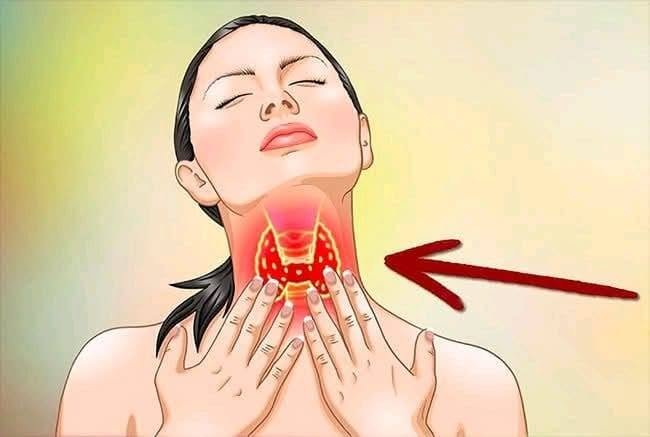
If you mean “5 vitamins/nutrients that may be important in hypothyroidism and Hashimoto’s disease, explained in detail,” there’s an important distinction: vitamins and minerals can correct deficiencies and support normal thyroid function, but they do not replace thyroid-hormone treatment. Hashimoto’s is an autoimmune disease and is the most common cause of hypothyroidism.
5 important vitamins/nutrients
1. Vitamin D
Vitamin D is one of the most commonly discussed nutrients in Hashimoto’s.
- People with Hashimoto’s may have lower vitamin-D levels, although this does not prove that vitamin-D deficiency causes Hashimoto’s.
- Some studies suggest that correcting vitamin-D deficiency may be associated with improvements in thyroid autoantibodies, but evidence is not strong enough to say that vitamin D treats or cures Hashimoto’s.
- Vitamin D is important for bone health, immune-system function, and calcium metabolism.
- A 25-hydroxyvitamin D [25(OH)D] blood test can determine whether you are deficient.
Food sources: fatty fish, egg yolks, fortified milk/plant milks and cereals, and sunlight exposure.
Bottom line: Vitamin D is worth checking, particularly if you have risk factors for deficiency, but supplementation should be based on your blood level and individual needs.
2. Vitamin B12
Vitamin B12 is particularly relevant because people with autoimmune thyroid disease can have other autoimmune conditions that interfere with B12 absorption.
B12 is needed for:
- red-blood-cell production
- normal nerve function
- DNA synthesis
- energy metabolism
B12 deficiency can cause fatigue, weakness, numbness/tingling, balance problems, memory difficulties, or anemia—symptoms that can overlap with hypothyroidism.
Good sources include:
- fish and seafood
- meat
- eggs
- dairy
- fortified nutritional foods
If you have persistent fatigue or neurological symptoms despite adequately treated thyroid levels, your clinician may consider checking B12, methylmalonic acid, and/or homocysteine, depending on the situation.
Important: B12 doesn’t directly increase thyroid hormone production; it is mainly useful when intake or absorption is inadequate.
3. Selenium
Selenium is technically a mineral, not a vitamin, but it is one of the most important nutrients studied in Hashimoto’s.
The thyroid contains a high concentration of selenium. Selenium-dependent enzymes help protect thyroid cells from oxidative stress and participate in thyroid-hormone metabolism.
Research has found that selenium supplementation may modestly reduce thyroid antibody levels in some people with Hashimoto’s, but the evidence is mixed and it has not been established as a replacement for levothyroxine or other thyroid hormone therapy.
Food sources:
- Brazil nuts
- seafood
- eggs
- meat
- poultry
- whole grains
Don’t take large amounts. Excess selenium can cause toxicity, including gastrointestinal symptoms, hair/nail problems and neurological effects.
4. Iron
Iron is another mineral rather than a vitamin, but iron deficiency can be particularly important in hypothyroidism.
Iron is required by thyroid peroxidase (TPO), an enzyme involved in thyroid-hormone production. Iron deficiency can therefore interfere with normal thyroid physiology.
Iron deficiency can also cause:
- fatigue
- weakness
- headaches
- shortness of breath
- dizziness
- hair shedding
- restless legs
This can make iron deficiency look like—or worsen—the symptoms of hypothyroidism.
Iron status can be evaluated with tests such as:
- CBC
- ferritin
- serum iron
- transferrin saturation/TIBC
Food sources: red meat, poultry, seafood, beans, lentils, tofu, spinach and iron-fortified foods.
Very important if taking levothyroxine: iron supplements can interfere with absorption of thyroid medication. The American Thyroid Association specifically lists iron and calcium supplements among things that can affect thyroid-pill absorption.
5. Iodine — important, but be careful
Iodine is essential because the thyroid uses it to manufacture thyroid hormones.
However, more iodine is not better, especially with Hashimoto’s.
Excess iodine—including iodine supplements and high-iodine products such as kelp/seaweed supplements—can trigger or worsen hypothyroidism in susceptible people with autoimmune thyroid disease. NIDDK specifically warns people with Hashimoto’s about excess iodine.
Normal dietary iodine is different from taking high-dose iodine supplements.
Common sources include:
- iodized salt
- dairy products
- seafood
- eggs
Do not automatically take an “iodine/thyroid support” supplement because you have Hashimoto’s. The American Thyroid Association has cautioned against pharmacologic doses of iodine for hypothyroidism.
What about zinc, magnesium, folate and other nutrients?
They can also be important for overall health, but there isn’t good evidence that taking a large collection of supplements will “boost” the thyroid in someone who isn’t deficient.
Be particularly cautious with products marketed as “thyroid support.” Some contain substantial iodine, selenium, or multiple herbal ingredients, and supplement labels can vary considerably.
A practical blood-test approach
If you have Hashimoto’s/hypothyroidism and want to investigate nutritional deficiencies, it may be more useful to test before supplementing rather than taking all five blindly.
Depending on your circumstances, discuss:
- TSH
- Free T4
- 25-OH vitamin D
- Vitamin B12
- CBC
- Ferritin/iron studies
- Possibly folate
- Selenium testing is less routinely used and should be individualized.
The primary treatment for established hypothyroidism remains thyroid-hormone replacement, usually levothyroxine; supplements are mainly useful for correcting nutritional deficiencies or addressing specific nutritional needs.
One particularly important point: if you take levothyroxine, don’t take iron or calcium supplements at the same time as your thyroid medication because they can reduce absorption. Follow your prescriber’s instructions about spacing them.
If you want, I can also give you a detailed “Hashimoto’s supplement plan” with typical daily doses, best food sources, what to avoid, and the best time to take each supplement relative to levothyroxine.