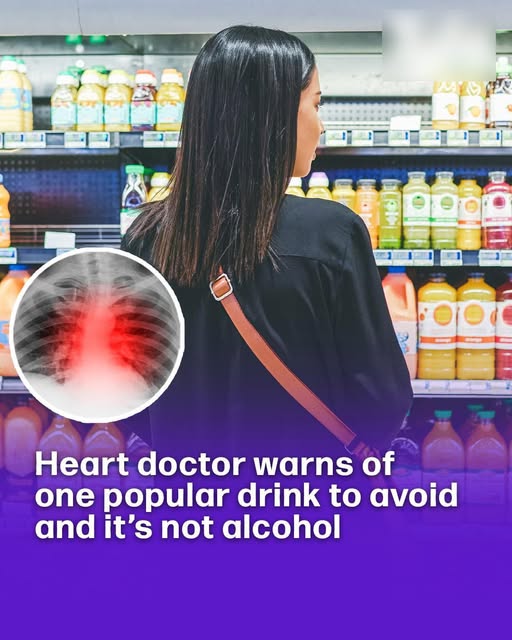
The headline you’re referring to is about soft drinks/soda—especially sugar-sweetened fizzy drinks, not alcohol and not the beverage brand called Liquid Death.
A recent article reported that cardiac surgeon Dr. Jeremy London described soft drinks as “liquid death.” He said he was deliberately using strong language to draw attention to the health consequences of regularly consuming high-calorie, sugar-based drinks.
Why would a heart surgeon call soda “liquid death”?
The issue isn’t that one can of soda suddenly causes a heart attack. The concern is regular, high consumption over years.
1. Large amounts of added sugar
A typical 12-ounce (355 mL) regular soda can contain roughly 35–40+ grams of added sugar, depending on the product. That’s around 9–10 teaspoons of sugar.
When you drink sugar in liquid form, it’s easy to consume a large amount without feeling particularly full. Over time, excessive calorie and sugar intake can contribute to:
- Weight gain and obesity
- Insulin resistance and type 2 diabetes
- High triglycerides
- Fatty liver disease
- High blood pressure
- Increased cardiovascular risk
Dr. London specifically emphasized that people can consume substantial calories from sugary drinks without realizing how much they’re getting.
2. Heart disease is the bigger concern
High consumption of sugar-sweetened beverages has been associated with cardiometabolic problems, including cardiovascular disease and diabetes. The concern is particularly strong when these drinks become a daily habit.
This is why the phrase “liquid death” should be interpreted as dramatic shorthand for a harmful long-term habit, rather than a literal claim that soda is immediately poisonous.
3. What about diet/zero-sugar soda?
This is more complicated.
Replacing a regular sugary soda with a zero-calorie version can substantially reduce sugar and calorie intake. However, that doesn’t automatically make every diet beverage a “health drink.”
The evidence concerning artificially sweetened beverages and long-term health is more complicated than the evidence concerning large amounts of added sugar. So it’s better not to interpret the headline as saying “every diet soda is deadly.”
4. What about the carbonation?
Carbonation itself isn’t the main problem.
Plain sparkling water is fundamentally different from sugar-sweetened soda. Unsweetened sparkling water provides hydration without the large sugar load of regular soda.
In fact, the article discussing Dr. London specifically suggested alternatives such as sparkling water, water, unsweetened tea and coffee.
5. Is alcohol actually worse?
Dr. London also criticized alcohol in the same discussion, calling it toxic, but he wasn’t calling alcohol the “liquid death” beverage in that particular statement. His “liquid death” description was aimed at soft/fizzy drinks.
Importantly, this doesn’t mean alcohol is healthy. Alcohol has its own established health risks, and the safest amount depends on the individual and circumstances.
What should you drink instead?
For everyday hydration, the simplest choices are:
- Water
- Unsweetened sparkling water
- Unsweetened tea
- Coffee without large amounts of added sugar
- Milk or an appropriate unsweetened/low-sugar alternative
If you currently drink several sodas a day, you don’t necessarily need to quit overnight. Reducing the amount gradually and replacing some servings with water or unsweetened sparkling water can substantially reduce your sugar intake.
One important clarification
Don’t confuse this story with Liquid Death, the beverage company. Liquid Death sells canned water and other beverages; its products aren’t what Dr. London was referring to. Some Liquid Death products are actually unsweetened water, while others—including soda-style drinks and energy drinks—have different ingredients and nutritional profiles.
Bottom line: The “liquid death” headline is sensationalized, but the underlying message is reasonable: regularly drinking large amounts of sugar-sweetened soda is a poor choice for cardiovascular and metabolic health. It is the habit and cumulative exposure, rather than one occasional soda, that matters most.