-
When Your Legs Are Crying for Help: 5 Important Things to Watch For
Your legs do much more than help you walk, stand, and move. They also provide important clues about your overall health. Changes in your legs, such as swelling, pain, unusual skin color, numbness, or weakness, may sometimes indicate an underlying medical condition that needs attention.
Although occasional leg discomfort can result from exercise, standing for long periods, or muscle fatigue, persistent or unexplained symptoms should not be ignored.
Here are five important warning signs your legs may be giving you, what they could mean, and when you should seek medical attention.
1. Persistent Leg Swelling
Swelling in the legs, ankles, or feet is medically known as edema. It occurs when excess fluid accumulates in body tissues.
Possible causes
-
Poor circulation: Blood may not return efficiently from the legs to the heart.
-
Heart problems: Heart failure can cause fluid to accumulate in the lower limbs.
-
Kidney problems: The kidneys may struggle to remove excess fluid and sodium.
-
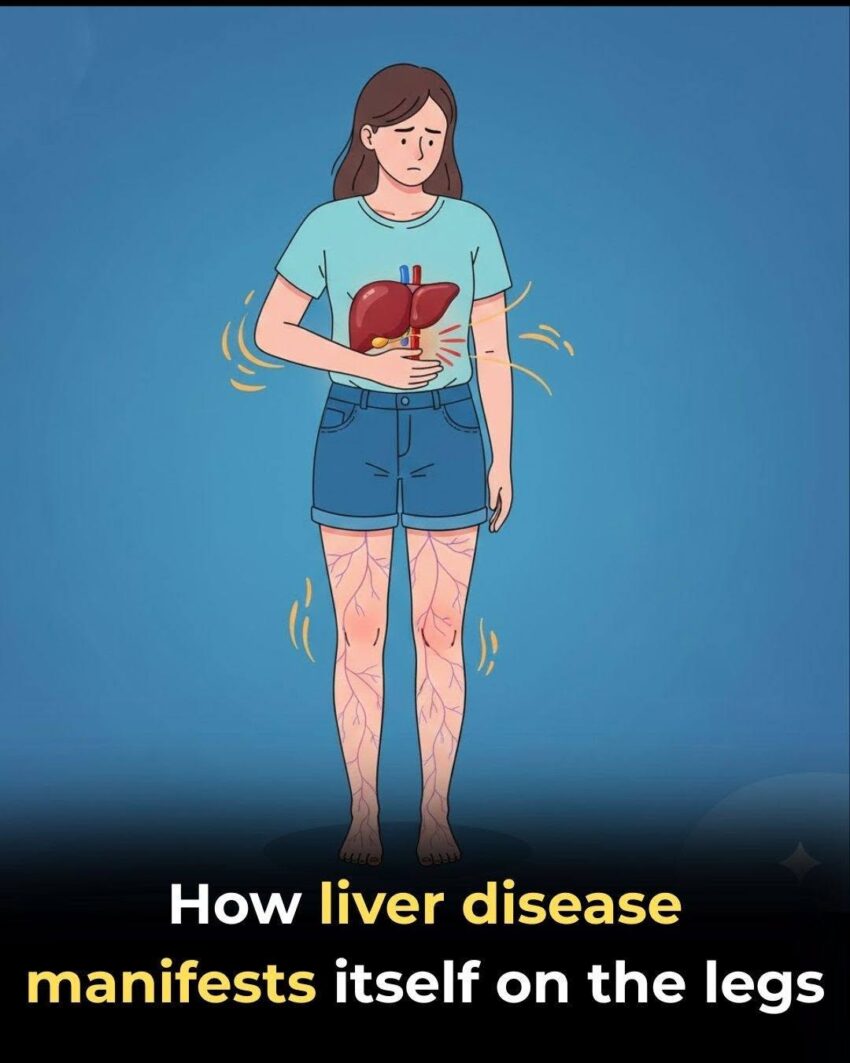
Liver disease: Reduced production of certain proteins can contribute to fluid accumulation.
-
Venous insufficiency: Damaged or weakened leg veins allow blood to pool in the lower limbs.
-
Prolonged sitting or standing: Staying in one position for too long can cause temporary swelling.
Warning signs to watch for
-
Swelling that does not improve.
-
Ankles or feet becoming unusually puffy.
-
Skin that appears stretched or shiny.
-
Indentations remaining after pressing the swollen area.
-
Swelling accompanied by unexplained weight gain.
Importantwarning Sudden swelling in one leg, especially with pain, warmth, or redness, may indicate deep vein thrombosis (DVT), a blood clot in a deep vein. Seek urgent medical assessment. If accompanied by chest pain, breathlessness, or fainting, seek emergency care.
2. Leg Pain or Cramps While Walking
Leg pain is common, but recurring pain that appears during walking or physical activity and disappears after resting may be a warning sign of poor blood circulation.
One possible cause is Peripheral Artery Disease (PAD). This condition develops when arteries supplying blood to the legs become narrowed, often because of fatty deposits.
Possible causes
-
Peripheral artery disease: Reduced blood flow to the leg muscles.
-
Muscle fatigue: Overuse or excessive physical activity.
-
Electrolyte imbalance: Changes in potassium, magnesium, or calcium levels can contribute to muscle cramps.
-
Dehydration: Insufficient fluid intake may contribute to muscle discomfort.
-
Nerve compression: Pressure on nerves in the spine can cause pain that travels down the legs.
-
Arthritis: Joint inflammation can cause pain around the knees, hips, and ankles.
Warning signs to watch for
-
Calf pain that develops after walking a short distance.
-
Leg cramps that repeatedly wake you up at night.
-
Pain that becomes worse over time.
-
Pain in the feet even when resting.
-
Difficulty walking or climbing stairs.
-
One leg feeling weaker than the other.
What could it mean?
When leg pain repeatedly occurs during walking and improves after resting, it may be a symptom of intermittent claudication, commonly associated with PAD.
PAD is important to recognize because it is also associated with increased cardiovascular risks, including heart attack and stroke.
What should you do?
Consult a healthcare professional if you experience recurring unexplained leg pain. They may recommend an ankle-brachial index (ABI) test, which compares blood pressure in your ankles and arms to assess circulation.
American Heart Association+23. Numbness, Tingling, or Burning Sensations
Do your feet sometimes feel like they are burning, tingling, or covered with tiny pins and needles?
These sensations are known as paresthesia. They may occur temporarily after sitting in an uncomfortable position, but persistent or recurring symptoms deserve attention.
Sometimes, these sensations indicate problems involving the nerves or blood circulation.
Possible causes
-
Peripheral neuropathy: Damage to nerves outside the brain and spinal cord.
-
Diabetes: Persistently high blood sugar can damage nerves, particularly in the feet and legs.
-
Vitamin B12 deficiency: Low levels of vitamin B12 can affect nerve function.
-
Spinal problems: Herniated discs or nerve compression can cause tingling and numbness.
-
Poor circulation: Reduced blood supply may cause unusual sensations in the feet.
-
Certain medications: Some medicines can cause nerve-related side effects.
Warning signs to watch for
-
Frequent tingling in the toes or feet.
-
Burning sensations, especially at night.
-
Loss of sensation in the feet.
-
Difficulty maintaining balance.
-
Weakness when walking.
-
Injuries or blisters that go unnoticed because of reduced sensation.
Why is this important?
Numbness can prevent you from noticing injuries, burns, cuts, and infections.
People with diabetes should pay particular attention to their feet because nerve damage and poor circulation can increase the risk of serious foot complications.
What should you do?
-
Arrange a medical assessment if numbness or tingling persists.
-
If you have diabetes, inspect your feet daily.
-
Wear comfortable, properly fitting footwear.
-
Avoid walking barefoot if you have reduced sensation.
-
Discuss blood sugar levels and possible vitamin deficiencies with your doctor.
Emergencywarning Sudden numbness or weakness, particularly on one side of the body, with facial drooping, speech difficulty, or vision changes may indicate a stroke. Seek emergency medical assistance immediately.
4. Changes in Skin Color, Temperature, or Texture
Your leg skin can reveal important information about your circulation and general health.
Changes in skin color, temperature, texture, or hair growth should not be ignored, particularly when they develop gradually or affect only one leg.
Possible warning signs
-
Pale or unusually white feet: May indicate reduced arterial blood flow.
-
Bluish or darkened skin: Can be associated with circulation problems or other medical conditions.
-
Unusually cold feet: One foot consistently feeling colder than the other may suggest reduced blood supply.
-
Shiny or tight skin: May occur with certain circulation disorders.
-
Loss of leg hair: Reduced blood flow can affect hair growth.
-
Thick or slowly growing toenails: May sometimes accompany poor circulation.
Possible causes
-
Peripheral artery disease.
-
Chronic venous insufficiency.
-
Diabetes-related circulation problems.
-
Skin infections.
-
Certain inflammatory or vascular conditions.
What should you watch for?
Pay attention if:
-
One foot becomes noticeably colder than the other.
-
Your skin changes color without an obvious explanation.
-
Your legs develop unusual dark patches.
-
You notice reduced hair growth on your lower legs.
-
Your skin becomes unusually shiny or thin.
-
You develop sores or wounds that do not heal.
What should you do?
Do not ignore sudden changes in skin color or temperature. A suddenly cold, pale, blue, painful, or numb foot can indicate an acute loss of blood flow and requires emergency treatment.
For gradual changes, arrange a medical examination. Your doctor may assess circulation using a physical examination, pulse assessment, or vascular tests.
NHLBI, NIH+25. Slow-Healing Wounds, Sores, or Unusual Foot Injuries
A small cut, blister, or wound on your foot should normally begin healing over time.
However, wounds that remain open, become infected, or repeatedly return may indicate an underlying problem.
Two important conditions associated with these problems are diabetes-related nerve damage and peripheral artery disease.
Why do wounds heal slowly?
-
Poor blood circulation: Damaged or narrowed arteries reduce the oxygen and nutrients reaching tissues.
-
Diabetes: High blood glucose can impair healing and increase infection risk.
-
Nerve damage: Reduced sensation means injuries may go unnoticed.
-
Infection: Bacteria can prevent a wound from healing properly.
-
Nutritional deficiencies: Inadequate nutrition may interfere with tissue repair.
-
Chronic swelling: Persistent edema can make wound healing more difficult.
Warning signs to watch for
-
Cuts that remain open for weeks.
-
Sores on the toes, heels, or soles.
-
Increasing redness around a wound.
-
Pus or unusual discharge.
-
Unpleasant odor from an infected wound.
-
Black or dead-looking tissue.
-
Pain or swelling around the injured area.
Why should you take this seriously?
Untreated foot wounds can develop into deep infections. In severe cases, infection and inadequate blood supply can damage underlying tissues and threaten the affected limb.
This is especially concerning for people living with diabetes or PAD.
What should you do?
-
Clean minor wounds gently and protect them with an appropriate clean dressing.
-
Avoid walking barefoot.
-
Inspect your feet regularly.
-
Seek medical attention for wounds that are not healing.
-
Get prompt medical care if you notice spreading redness, warmth, pus, fever, or worsening pain.
If the foot becomes suddenly cold, pale, blue, or numb, seek emergency care rather than waiting for a wound appointment.
NHLBI, NIH+2Additional Symptoms You Should Never Ignore
Apart from these five major warning signs, certain symptoms deserve special attention:
-
Unexplained muscle weakness: Could be related to nerve, muscle, or circulation problems.
-
Persistent varicose veins: May indicate weakened vein valves.
-
Pain at rest: Can sometimes signal severely reduced blood flow.
-
Sudden difficulty walking: May indicate a neurological or vascular problem.
-
Persistent swelling in both legs: May be associated with heart, kidney, liver, or vein conditions.
How to Keep Your Legs Healthy
Taking care of your legs involves more than simply treating pain when it occurs. Healthy daily habits can help protect your muscles, nerves, veins, and arteries.
1. Stay physically active
-
Walk regularly, according to your fitness and medical condition.
-
Avoid sitting for extended periods.
-
Perform gentle leg stretches.
-
Increase physical activity gradually.
2. Maintain a balanced diet
Include foods that provide:
-
Vitamin B12 for healthy nerve function.
-
Iron for normal red blood cell production.
-
Protein for muscle maintenance and tissue repair.
-
Fruits and vegetables for essential vitamins and minerals.
-
Adequate fluids to maintain hydration.
3. Manage blood sugar and blood pressure
Uncontrolled diabetes and high blood pressure can damage blood vessels and increase the risk of circulation problems.
Regular health checkups can help identify these conditions early.
4. Avoid smoking
Smoking damages blood vessels and significantly increases the risk of peripheral artery disease.
5. Choose comfortable footwear
Wear properly fitting shoes that protect your feet from injuries, pressure, and blisters.
6. Pay attention to changes
Monitor unusual swelling, pain, skin discoloration, numbness, and slow-healing wounds.
When Should You See a Doctor?
Seek emergency care
Do not delay medical attention if you experience:
-
Sudden severe leg pain with a cold, pale, or numb foot.
-
Sudden weakness or loss of sensation.
-
One-sided leg swelling accompanied by pain and warmth, which may indicate DVT.
-
Chest pain, sudden breathlessness, or fainting, particularly with leg swelling.
-
Signs of a serious wound infection, such as fever or spreading redness.
For persistent or unexplained symptoms, arrange a medical assessment even if the discomfort is mild.
Final Thoughts: Listen to What Your Legs Are Telling You
Your legs are essential to your mobility, independence, and everyday life. Sometimes, unusual symptoms are simply the result of muscle fatigue or temporary discomfort. However, persistent swelling, recurring pain, numbness, skin changes, and slow-healing wounds may indicate underlying health problems.
The most important thing is not to ignore changes or assume that every symptom is simply part of getting older.
Early recognition, proper medical evaluation, and timely treatment can help prevent complications and protect your long-term mobility.
Remember: Your legs do not just carry your body; they can also provide valuable clues about your overall health.
Frequently Asked Questions (FAQs)
1. Why do my legs feel heavy and tired all the time?
Heavy legs may result from prolonged standing, muscle fatigue, venous insufficiency, or circulation problems. Persistent symptoms should be evaluated by a healthcare professional.
2. Are leg cramps a sign of poor circulation?
Not necessarily. Leg cramps can result from muscle overuse, dehydration, certain medications, or electrolyte disturbances. However, recurring pain during walking that improves with rest may indicate PAD.
3. Why are my feet always cold?
Cold feet can result from environmental temperatures, reduced circulation, thyroid problems, or nerve conditions. If one foot suddenly becomes colder than the other, particularly with pain or discoloration, seek emergency care.
4. Can diabetes cause leg pain and numbness?
Yes. Diabetes can damage peripheral nerves and blood vessels, causing burning, tingling, numbness, and sometimes pain in the feet and legs.
5. Is leg swelling always dangerous?
No. Temporary swelling can occur after prolonged sitting or standing. However, sudden one-sided swelling or persistent unexplained swelling requires medical assessment.
6. What is the most important warning sign of poor leg circulation?
Recurring pain during walking that improves with rest is a common symptom of PAD. Non-healing wounds, cold feet, and changes in skin color are also important warning signs.
Trusted Medical References
For further reading and reliable medical information:
Medical disclaimer: This article is for educational purposes only and is not a substitute for professional medical advice, diagnosis, or treatment.
-