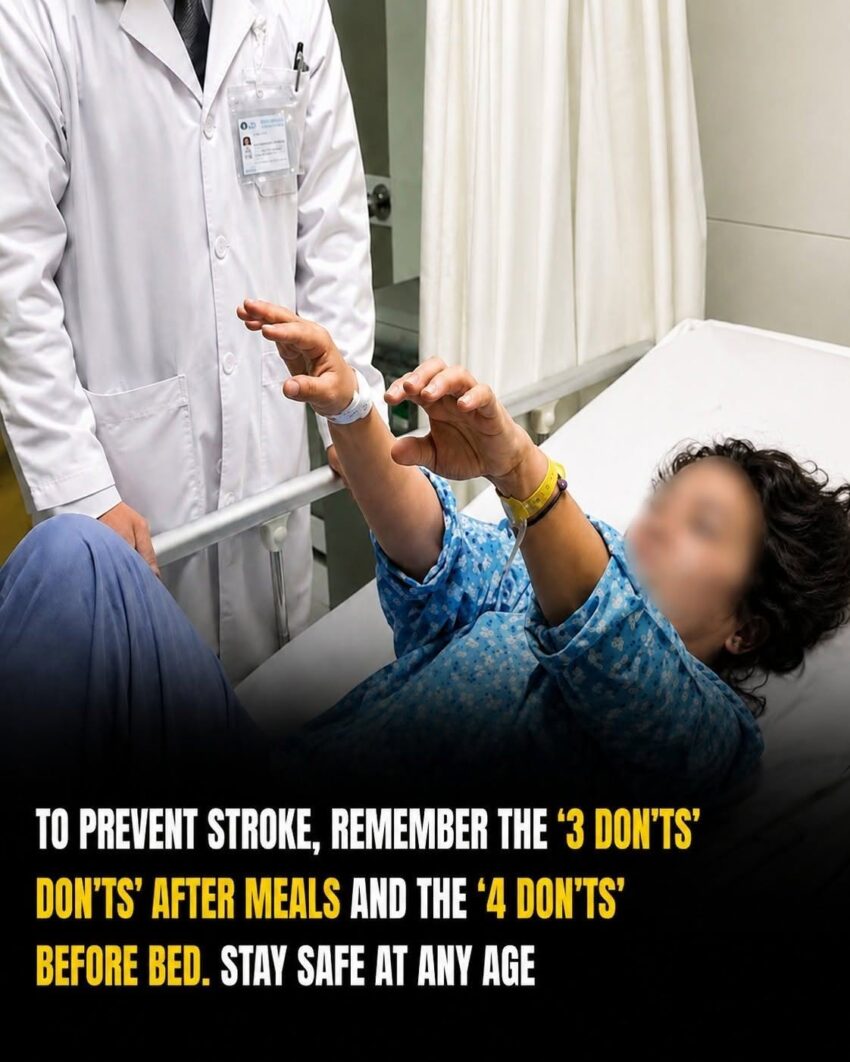
Silent stroke: what it means and what to do
A “silent stroke” is a stroke that may cause few or no obvious symptoms at the time, but it can still damage brain tissue. Often, it is discovered later on brain imaging. Preventing strokes largely comes down to controlling the risk factors you can change.
Small daily habits that can reduce stroke risk
-
Know and control your blood pressure. High blood pressure is one of the most important modifiable stroke risk factors. Check it regularly, take prescribed medication consistently, and discuss persistently high readings with a healthcare professional.
-
Avoid smoking and tobacco. Smoking damages blood vessels and substantially increases stroke risk. Quitting reduces that risk over time.
-
Move regularly. Aim for about 150 minutes of moderate-intensity activity per week (such as brisk walking), or an equivalent amount of vigorous activity, unless your doctor has advised otherwise.
-
Eat for cardiovascular health. Emphasize vegetables, fruit, whole grains, beans, nuts, fish and other minimally processed foods. Reduce excess salt, processed foods, saturated fat and added sugars.
-
Keep diabetes and cholesterol under control. If you have diabetes or high cholesterol, follow your treatment plan and have your levels checked as recommended.
-
Maintain a healthy weight. If you are overweight, even gradual, sustainable weight loss can improve blood pressure, blood sugar and other stroke risk factors.
-
Limit alcohol. Excessive alcohol consumption can increase blood pressure and stroke risk.
-
Sleep adequately. Persistent sleep problems—particularly untreated sleep apnea—can contribute to cardiovascular risk.
-
Take prescribed medicines consistently. This is especially important if you have hypertension, diabetes, high cholesterol, or an abnormal heart rhythm such as atrial fibrillation.
-
Don’t ignore irregular heartbeat symptoms. Atrial fibrillation can allow blood clots to form and travel to the brain. It deserves medical assessment and, when appropriate, treatment.
Learn the warning signs: BE-FAST
Even if a stroke seems “silent,” a symptomatic stroke is an emergency. Remember:
-
B — Balance: sudden loss of balance or coordination
-
E — Eyes: sudden vision loss or double vision
-
F — Face: one side of the face droops
-
A — Arm: sudden weakness or numbness, especially on one side
-
S — Speech: sudden trouble speaking or understanding
-
T — Time: call emergency medical services immediately
Symptoms can disappear after a few minutes in a TIA (transient ischemic attack), sometimes called a “mini-stroke.” That still requires urgent medical evaluation because it can be a warning of a subsequent major stroke.
Important: Don’t wait for symptoms to become severe and don’t drive yourself to the hospital if a stroke is suspected. Note the time the symptoms began (or the last time the person was known to be well) and seek emergency care immediately.
If you want, I can also give you a detailed 7-day stroke-prevention routine, including food, walking/exercise, blood-pressure monitoring, sleep, and warning signs to watch for.