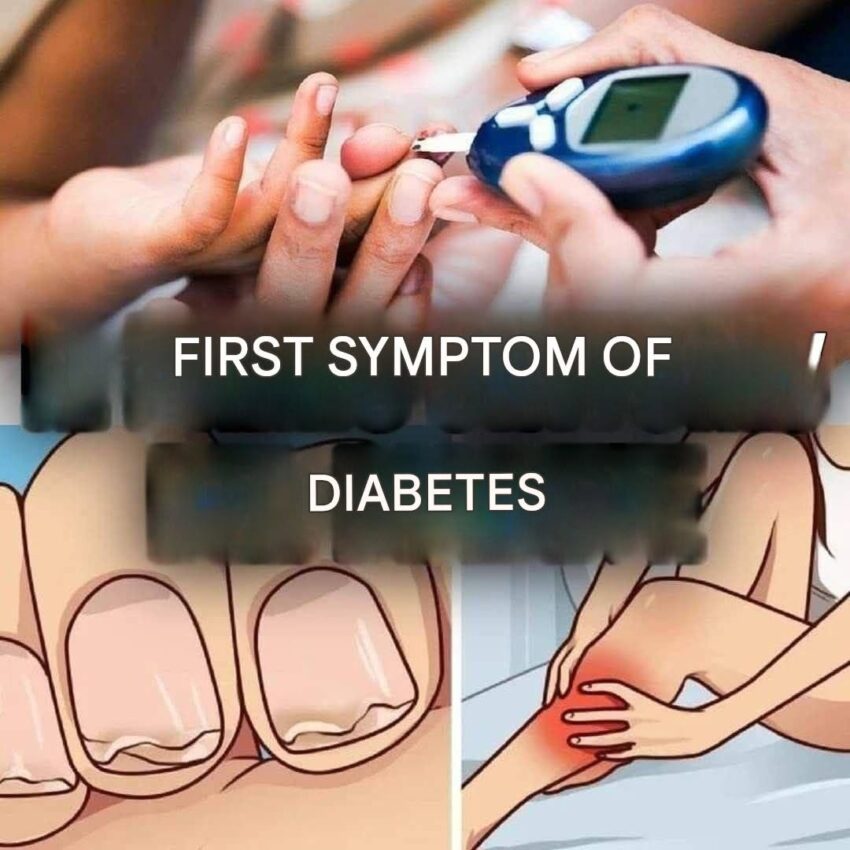
The Most Surprising Symptoms of Diabetes (1/3)
Diabetes is a condition in which blood glucose (blood sugar) becomes too high because the body does not produce enough insulin or cannot use insulin effectively. Although many people associate diabetes with excessive thirst and frequent urination, some of its symptoms can be subtle, unexpected, or easy to overlook.
Recognizing these warning signs early can help people seek medical care before complications develop.
1. Unusual fatigue and constant tiredness

Feeling tired after a long day is normal. However, persistent fatigue without an obvious reason can sometimes be a sign of diabetes.
Why does it happen?
-
Glucose is the body’s primary source of energy, but insulin helps move glucose from the bloodstream into cells.
-
When insulin is insufficient or does not work properly, the body may not use glucose efficiently.
-
High blood sugar can also cause dehydration, which contributes to weakness and tiredness.
What you might notice:
-
Feeling exhausted even after a full night’s sleep.
-
Having little energy for everyday activities.
-
Feeling unusually sleepy after meals.
-
Experiencing difficulty concentrating.
Fatigue has many other possible causes, including anemia, sleep problems, thyroid disorders, and stress. Persistent fatigue accompanied by other diabetes symptoms warrants a blood sugar test.
2. Blurred vision that comes and goes

Changes in eyesight can sometimes be an early warning sign of high blood sugar.
Why does it happen?
When blood glucose levels rise, fluid shifts can change the shape of the eye’s lens. This can temporarily affect how clearly you see.
Possible symptoms include:
-
Blurry vision when reading or looking at a screen.
-
Difficulty focusing on objects.
-
Vision that changes from one day to another.
-
Needing to adjust reading distance more frequently than usual.
Blurred vision does not automatically mean diabetes. However, persistent or recurring changes should be evaluated by a healthcare professional. Sudden vision loss or a sudden major change in vision requires urgent medical attention.
3. Frequent urination, especially at night

Needing to urinate more often than usual is one of the most important signs of diabetes, but people sometimes dismiss it as drinking too much water or getting older.
Why does it happen?
When blood sugar rises above the kidneys’ ability to reabsorb it, glucose spills into the urine. Water follows the glucose, increasing urine production.
Warning signs include:
-
Visiting the bathroom unusually often during the day.
-
Waking up multiple times at night to urinate.
-
Producing larger amounts of urine than usual.
-
Feeling thirsty soon after urinating.
Frequent urination can also result from urinary tract infections, medications, or other conditions. If it occurs alongside increased thirst, unexplained weight loss, or fatigue, arrange a medical assessment.
4. Dark, velvety patches of skin

One surprising sign associated with insulin resistance and an increased risk of type 2 diabetes is a change in skin color and texture.
What does it look like?
-
Darker skin around the back of the neck.
-
Thickened, velvety skin in the armpits.
-
Dark patches around the groin or other skin folds.
This condition is called acanthosis nigricans.
Why does it happen?
Insulin resistance means the body’s cells do not respond to insulin as effectively as they should. The body may compensate by producing more insulin, and elevated insulin levels are associated with the skin changes seen in acanthosis nigricans.
What should you do?
If you develop new, unexplained dark and velvety patches, ask a healthcare professional whether blood glucose testing is appropriate. These patches do not prove that you have diabetes, and other conditions can cause similar changes.
5. Cuts and wounds that take longer to heal

A small cut that takes unusually long to heal can sometimes be a sign of poorly controlled blood sugar.
Why does it happen?
Persistently high blood glucose can interfere with normal immune function and damage blood vessels over time. This can make it harder for the body to fight infections and deliver the oxygen and nutrients needed for wound healing.
Warning signs include:
-
Minor cuts that remain open longer than expected.
-
Repeated skin infections.
-
Sores that become red, swollen, or painful.
-
Foot wounds that heal slowly or fail to heal.
People with diabetes are particularly vulnerable to foot complications because nerve damage can make injuries harder to notice.
Important: A wound that is worsening, showing signs of infection, or occurring on a foot with suspected diabetes should be assessed promptly. Do not wait for it to heal on its own.
6. Repeated yeast infections or unexplained itching

Repeated genital yeast infections and persistent skin itching can sometimes be associated with diabetes.
Why does it happen?
High blood glucose can create conditions that favor yeast growth and may impair the body’s ability to control certain infections. Diabetes can also contribute to dry skin, which may cause itching.
Possible symptoms include:
-
Repeated vaginal yeast infections.
-
Itching or irritation around the genital area.
-
Recurrent fungal infections in warm, moist skin folds.
-
Dry, itchy skin that persists despite ordinary skin care.
These symptoms are not specific to diabetes. Yeast infections and itching have many other causes, so recurring symptoms should be evaluated rather than self-diagnosed.
7. Tingling or numbness in the hands and feet

Tingling in the feet or hands may seem unrelated to blood sugar, but it can be associated with diabetes-related nerve damage.
What might you feel?
-
Pins-and-needles sensations in your toes.
-
Burning or unusual sensitivity in your feet.
-
Numbness that makes it difficult to feel small injuries.
-
Pain that is more noticeable at night.
Why does it happen?
Long-term high blood glucose can damage nerves and the small blood vessels that supply them. This condition is known as diabetic peripheral neuropathy.
Numbness can also have other causes, including vitamin deficiencies, nerve compression, and other medical conditions. New or persistent tingling deserves medical evaluation, particularly if it occurs with other possible diabetes symptoms.
When should you get tested for diabetes?
Consider arranging a medical appointment if you notice several of these symptoms, especially increased thirst, frequent urination, unexplained weight loss, or persistent fatigue. A healthcare professional can check your blood glucose using tests such as fasting blood glucose or HbA1c.
Seek emergency medical care if possible diabetes symptoms are accompanied by vomiting, abdominal pain, deep or rapid breathing, or confusion. These may indicate a dangerous complication, including diabetic ketoacidosis.
Remember, having one of these symptoms does not mean you definitely have diabetes. Some people with type 2 diabetes have few or no noticeable symptoms, so testing is important when risk factors or concerns are present.
Sources for further reading: CDC — Symptoms of Diabetes and NIDDK — Symptoms and Causes of Diabetes .