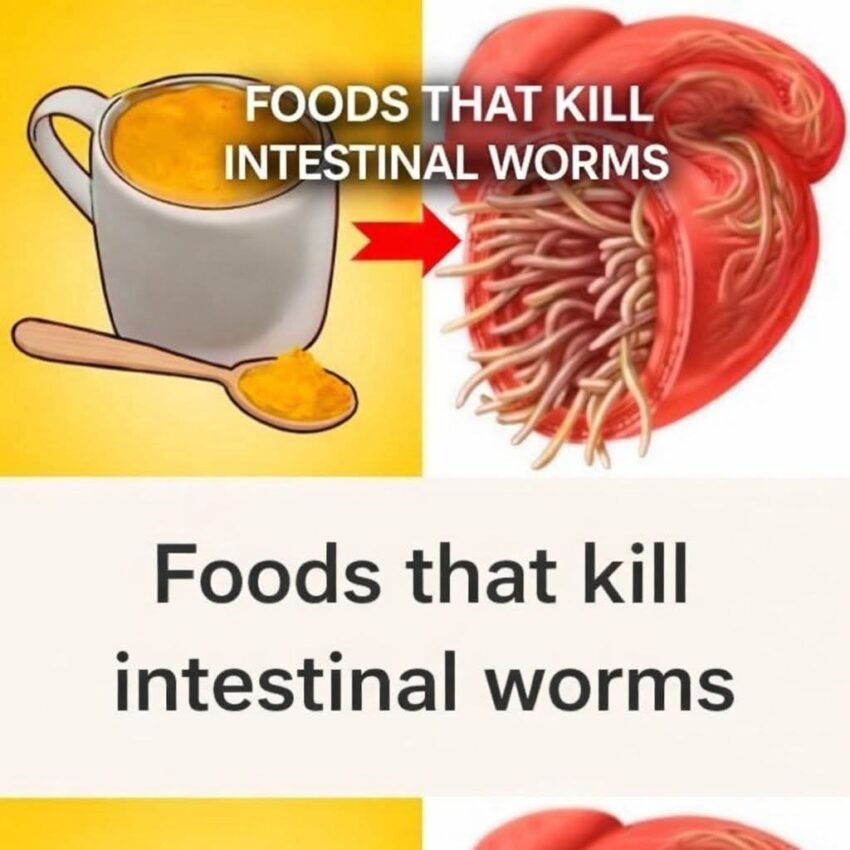
Some foods and natural ingredients have traditionally been used to help reduce intestinal worms, and a few have shown anti-parasitic effects in laboratory or limited human studies. However, food alone is usually not as reliable as proper deworming medication, especially for significant infections. If you suspect intestinal worms, a healthcare professional can recommend effective treatment.
Here are 7 foods commonly associated with anti-parasitic properties:
1. Pumpkin Seeds
Why they may help:
Contain cucurbitacin, a compound that may paralyze some intestinal parasites.
Traditionally used against tapeworms and roundworms.
How to use:
Eat raw, unsalted pumpkin seeds.
Ground seeds can be mixed into smoothies or yogurt.
Evidence:
Some studies suggest anti-parasitic activity, but evidence in humans is limited.
—
2. Garlic
Why it may help:
Contains allicin and sulfur compounds with antimicrobial and antiparasitic properties.
May inhibit the growth of certain parasites.
How to use:
Consume fresh crushed garlic.
Add to meals regularly.
Additional benefits:
Supports cardiovascular health and may have antibacterial effects.
—
3. Papaya Seeds
Why they may help:
Contain enzymes such as papain and compounds that may damage parasites.
One small study found reductions in intestinal parasites among children.
How to use:
Crush and mix with honey or smoothies.
Use in moderation because large amounts may cause digestive upset.
—
4. Coconut
Why it may help:
Contains medium-chain fatty acids such as lauric acid.
Traditionally used in some cultures to support parasite elimination.
How to use:
Eat fresh coconut flesh.
Use unsweetened coconut products as part of meals.
—
5. Carrots
Why they may help:
High fiber content may support healthy bowel movements.
Rich in beta-carotene and nutrients that support immune function.
How to use:
Eat raw or lightly cooked.
Include regularly in a balanced diet.
Note:
Carrots do not directly kill worms but may support digestive health.
—
6. Pomegranate
Why it may help:
The peel and bark have historically been used against tapeworms.
Contains tannins and other bioactive compounds.
How to use:
Eat the fruit itself.
Avoid self-medicating with concentrated bark or peel preparations, as safety can be a concern.
—
7. Turmeric
Why it may help:
Contains curcumin, which has anti-inflammatory and antimicrobial effects.
Laboratory studies suggest possible activity against some parasites.
How to use:
Add to curries, soups, or warm milk.
Combine with black pepper to improve curcumin absorption.
—
Foods vs. Medical Treatment
If you have symptoms such as:
Seeing worms in stool
Persistent abdominal pain
Unexplained weight loss
Anal itching (especially at night)
Anemia or fatigue
the most effective treatment is usually a deworming medicine such as Albendazole or Mebendazole, prescribed according to the type of worm involved.
Foods can support overall digestive health, but they should not be considered a guaranteed cure for intestinal worm infections. If you’d like, I can also explain which foods may help against specific worms (pinworms, roundworms, tapeworms, or hookworms) and how deworming is typically done.