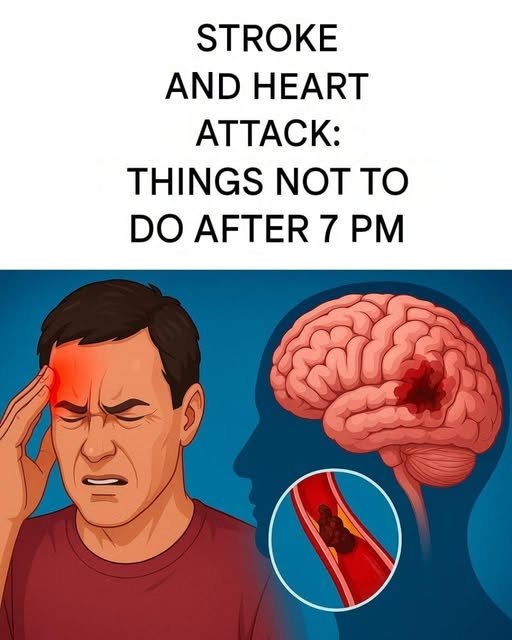
If you’re looking for the kind of advice that many experienced cardiologists emphasize after decades of treating patients, there are consistent themes supported by extensive medical research. While individual cardiologists may differ on specific treatments, the following principles are widely recommended.
1. Focus on Prevention Before Symptoms Appear
One of the biggest lessons experienced cardiologists often share is that heart disease develops silently over many years.
Many people with blocked arteries have:
- No chest pain
- No shortness of breath
- No warning signs until a heart attack or stroke
Because of this, prevention is usually more effective than treatment after disease develops.
2. Know Your Numbers
Experienced cardiologists encourage adults to regularly monitor:
- Blood pressure
- Goal for many adults: below 120/80 mmHg (individual targets vary)
- LDL (“bad”) cholesterol
- Lower is generally better for people at higher cardiovascular risk.
- HDL (“good”) cholesterol
- Triglycerides
- Blood sugar (HbA1c)
- Body Mass Index (BMI)
- Waist circumference
Tracking these over time is often more informative than a single measurement.
3. Control Blood Pressure Aggressively
High blood pressure is one of the strongest risk factors for:
- Heart attacks
- Heart failure
- Kidney disease
- Stroke
Many cardiologists emphasize that hypertension often causes no symptoms, making regular checks important.
Ways to reduce blood pressure:
- Reduce sodium intake
- Exercise regularly
- Lose excess weight
- Limit alcohol
- Take prescribed medication consistently if needed
4. Don’t Ignore Cholesterol
High LDL cholesterol contributes to plaque buildup in arteries.
Ways to improve cholesterol:
- Eat more soluble fiber
- Choose healthy fats (olive oil, nuts, fish)
- Reduce trans fats
- Limit saturated fat if advised
- Exercise
- Use statins or other medications when recommended
5. Exercise Is Powerful Medicine
Regular physical activity can:
- Lower blood pressure
- Improve cholesterol
- Increase insulin sensitivity
- Reduce inflammation
- Improve mood
- Strengthen the heart
General recommendations:
- At least 150 minutes of moderate aerobic exercise per week, or
- 75 minutes of vigorous exercise
- Strength training at least twice weekly
- Reduce prolonged sitting
Walking is one of the most consistently recommended forms of exercise.
6. Maintain a Heart-Healthy Diet
Dietary patterns with strong evidence include:
- Mediterranean diet
- DASH diet
These diets emphasize:
- Vegetables
- Fruits
- Whole grains
- Beans
- Nuts
- Fish
- Olive oil
- Lean protein
Limit:
- Sugary drinks
- Highly processed foods
- Excess sodium
- Processed meats
- Excess added sugar
7. Stop Smoking
Smoking damages:
- Blood vessels
- Heart muscle
- Lung function
Benefits begin quickly after quitting:
- Heart rate improves within hours
- Blood pressure improves
- Heart attack risk declines over time
- Stroke risk decreases
Stopping smoking is among the most effective ways to lower cardiovascular risk.
8. Sleep Matters
Poor sleep is associated with:
- High blood pressure
- Obesity
- Diabetes
- Irregular heart rhythms
Aim for 7–9 hours of quality sleep most nights.
Loud snoring, pauses in breathing, or excessive daytime sleepiness may suggest sleep apnea, which is linked to heart disease and should be evaluated.
9. Manage Diabetes Carefully
Diabetes accelerates damage to blood vessels.
Good diabetes management includes:
- Healthy eating
- Regular exercise
- Weight management
- Blood sugar monitoring
- Appropriate medications when prescribed
Managing blood sugar helps reduce long-term cardiovascular complications.
10. Manage Stress
Chronic stress can contribute to:
- Elevated blood pressure
- Poor sleep
- Unhealthy eating
- Smoking or excessive alcohol use
Helpful strategies include:
- Regular exercise
- Mindfulness or meditation
- Social connection
- Counseling when needed
- Time outdoors
- Relaxation techniques
11. Maintain a Healthy Weight
Excess body fat, especially around the abdomen, increases the risk of:
- High blood pressure
- Diabetes
- Sleep apnea
- Coronary artery disease
Even a modest weight loss (about 5–10% of body weight for people who are overweight) can improve several cardiovascular risk factors.
12. Learn the Warning Signs of a Heart Attack
Common symptoms include:
- Chest pressure, heaviness, or pain
- Pain spreading to the arm, jaw, neck, shoulder, or back
- Shortness of breath
- Cold sweat
- Nausea
- Lightheadedness
Symptoms can differ, especially in women, older adults, and people with diabetes. If you think you may be having a heart attack, seek emergency medical care immediately.
13. Take Medications as Prescribed
If you’ve been prescribed medications for:
- Blood pressure
- Cholesterol
- Diabetes
- Heart rhythm disorders
- Heart failure
Taking them consistently is important. Do not stop or change medications without discussing it with your healthcare provider.
14. Have Regular Checkups
Routine medical visits help:
- Detect disease early
- Adjust medications
- Monitor risk factors
- Update preventive care
The frequency depends on your age, health conditions, and overall cardiovascular risk.
Key Takeaways
After many years in practice, experienced cardiologists often emphasize these core habits:
- Don’t smoke.
- Control blood pressure.
- Lower high LDL cholesterol.
- Stay physically active.
- Eat a Mediterranean- or DASH-style diet.
- Maintain a healthy weight.
- Sleep 7–9 hours.
- Manage diabetes if present.
- Reduce chronic stress.
- Keep regular medical appointments and take prescribed medications consistently.
These recommendations are supported by major cardiovascular organizations and decades of clinical evidence showing they reduce the risk of heart attack, stroke, heart failure, and premature death. Individual recommendations should always be tailored to your medical history, age, family history, and other risk factors in consultation with your healthcare provider.