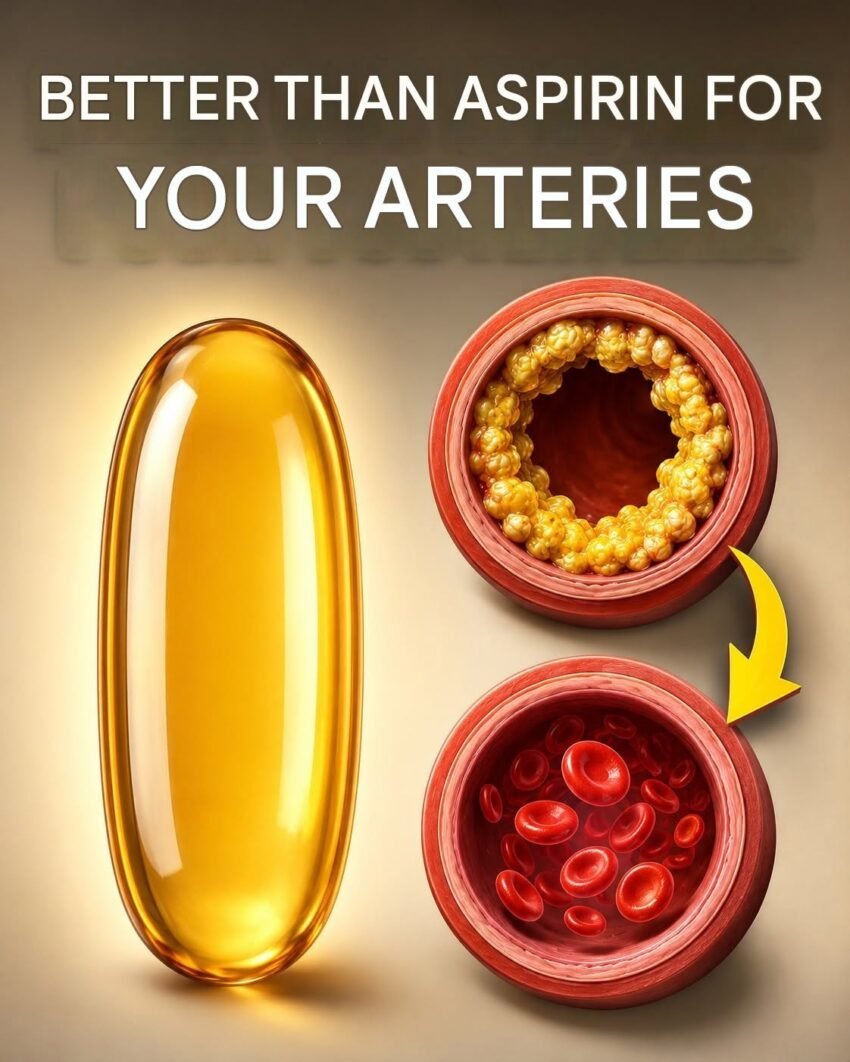
If you saw an advertisement claiming that “aspirin is no longer necessary” and that a “100% natural” product can cleanse your arteries and prevent blood clots without side effects, be very cautious. That wording is typical of health-product marketing, and there is no natural substance proven to replace medically indicated antiplatelet or anticoagulant treatment.
What the evidence actually says
1. Aspirin is not routinely necessary for everyone.
For people who have never had a heart attack, stroke, or other established cardiovascular disease, aspirin is now used much less often because its bleeding risk can outweigh its benefit. The American Heart Association recommends focusing on lifestyle, blood pressure, cholesterol and other risk factors instead.
2. But aspirin can still be extremely important for some people.
If someone has previously had a heart attack, certain types of stroke, a coronary stent/angioplasty, or another form of established atherosclerotic cardiovascular disease, antiplatelet treatment may substantially reduce the risk of another event. Current 2026 ACC guidance continues to address aspirin and other antiplatelet medicines for these patients.
3. There is no proven “artery cleanser.”
Atherosclerotic plaque isn’t something that can simply be flushed out by a tea, herb, vitamin, juice, or supplement. Proven approaches to reducing cardiovascular risk include controlling LDL cholesterol and blood pressure, avoiding tobacco, exercising, maintaining a healthy weight, and eating a heart-healthy dietary pattern. The AHA’s updated 2026 guidance emphasizes vegetables, fruits, whole grains, healthy protein, unsaturated fats and minimally processed foods.
4. “Natural” does not mean “no side effects.”
Some supplements can affect platelet function or interact with aspirin, anticoagulants and other medicines. Combining several blood-thinning substances can potentially increase bleeding.
What about garlic, turmeric, ginger, fish oil, etc.?
These foods can be part of a healthy diet, and some have interesting cardiovascular research behind them. However, they should not be considered substitutes for aspirin, clopidogrel, anticoagulants, statins or other prescribed cardiovascular medications when those medicines are medically indicated.
The Mediterranean-style dietary pattern, for example, has evidence supporting cardiovascular and stroke-risk reduction, but that is very different from claiming that one ingredient “cleans arteries” or “prevents clots.”
Most important warning
Do not stop prescribed aspirin or another blood thinner because an advertisement says there is a natural replacement. In people who have an established cardiovascular indication, stopping antiplatelet treatment without medical advice can increase cardiovascular risk.
If you tell me the name of the “100% natural alternative” you saw (or paste the advertisement/ingredients), I can break it down ingredient by ingredient, explain what evidence exists for preventing clots or reducing plaque, possible side effects/interactions, and whether the claims are legitimate.