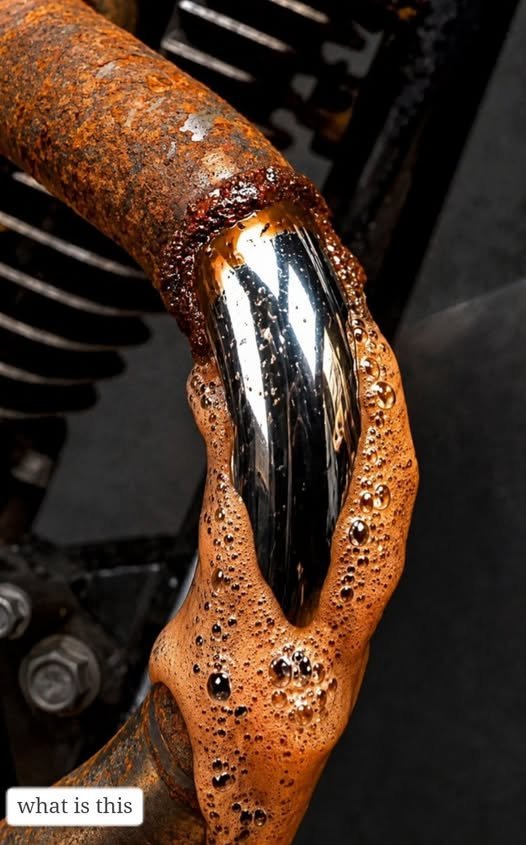
A headline like “Dangerous! Rust in cookware is destroying your health and you don’t even realize it” is more alarming than the scientific evidence supports. Here’s a balanced, detailed explanation.
Is Rust in Cookware Dangerous?
Rust is a reddish-brown coating that forms when iron reacts with oxygen and moisture. It commonly appears on cast iron pans, carbon steel cookware, and older metal utensils.
What Is Rust Made Of?
Rust is primarily iron oxide, a compound formed when iron corrodes. In small amounts, iron oxide is generally considered to have low toxicity if accidentally ingested.
Can Rust Harm Your Health?
Small amounts are usually not dangerous
If tiny flakes of rust from cookware get into your food occasionally, they are unlikely to cause serious health problems for most healthy adults. Your digestive system typically passes these particles without causing harm.
When rust can become a concern
Rusty cookware may pose problems in certain situations:
- Deep rusting: Heavy corrosion can weaken cookware, causing metal flakes to mix with food.
- Bacterial contamination: Rust itself doesn’t cause bacterial growth, but rough, pitted surfaces created by rust are harder to clean thoroughly and may trap food residue and bacteria.
- Unknown metal cookware: Older or damaged cookware made from unknown alloys could potentially contain harmful metals unrelated to the rust itself.
- Tetanus misconception: Rust does not cause tetanus. Tetanus is caused by the bacterium Clostridium tetani, which may contaminate dirty wounds. A rusty object can cause tetanus only if it is contaminated with the bacteria—not because it is rusty.
Cast Iron Cookware and Rust
Cast iron naturally develops rust if left wet or stored improperly. Fortunately, light surface rust can often be removed.
To restore a rusty cast iron pan:
- Scrub off the rust using steel wool or a stiff brush.
- Wash thoroughly.
- Dry completely.
- Apply a thin layer of cooking oil.
- Heat the pan in an oven or on the stovetop to rebuild its protective seasoning.
If the rust is extensive, deeply pitted, or the cookware is cracked, replacing it may be the safer option.
Stainless Steel Cookware
Good-quality stainless steel is highly resistant to rust. If it begins rusting:
- The protective surface may have been damaged.
- Low-quality steel may have been used.
- Salt, bleach, or harsh cleaners may have caused corrosion.
Light rust can often be removed with baking soda or specialized stainless steel cleaners.
How to Prevent Rust
- Dry cookware immediately after washing.
- Avoid soaking iron cookware for long periods.
- Season cast iron regularly with a light coating of oil.
- Store cookware in a dry place.
- Avoid leaving acidic foods in cast iron for extended periods.
Who Should Be More Careful?
People with conditions involving excess iron storage, such as Hemochromatosis, should consult their healthcare provider about dietary iron sources, although occasional exposure to small amounts of rust from cookware is generally not considered a major source of excess iron.
Common Myths
| Myth | Fact |
|---|---|
| Rust is highly poisonous. | False. Small accidental amounts are generally not highly toxic. |
| Rust always causes tetanus. | False. Tetanus is caused by bacteria, not rust itself. |
| Any rusty pan should be thrown away. | False. Light rust on cast iron can often be safely removed and the pan reseasoned. |
| Rust makes food immediately unsafe. | Usually false. Minor surface rust is unlikely to make food dangerous, though heavily corroded cookware should be repaired or replaced. |
Bottom Line
A small amount of rust from cookware is unlikely to seriously harm your health. However, heavily rusted cookware should not be ignored because it can become difficult to clean, may shed metal particles, and indicates the cookware is deteriorating. Regular cleaning, drying, and maintenance—especially for cast iron—are the best ways to keep cookware safe and long-lasting.