Here’s a detailed explanation of the biggest mistakes and how they affect your utility bill:
1. Washing Small Loads Frequently
This is one of the most expensive habits.
Why it costs more:
- The washing machine uses nearly the same amount of water and electricity whether it’s half full or completely full.
- Washing two half-loads usually costs more than one full load.
Example:
- 6 small loads per week instead of 3 full loads can nearly double the water and electricity used.
What to do instead:
- Wait until you have a full load (without overstuffing the drum).
- Leave enough room for clothes to move freely.
2. Using Hot Water for Every Wash
Heating water is often the largest energy expense during a wash cycle.
Why it increases your bill:
- Heating water can account for most of the energy used by the machine.
- Most everyday clothes don’t need hot water.
Use these temperatures:
- Cold (20–30°C): Everyday clothes, dark colors, lightly soiled items.
- Warm (40°C): Towels and moderately dirty clothing.
- Hot (60°C or higher): Bedding, heavily soiled items, or when sanitizing.
Using cold water whenever appropriate can noticeably reduce electricity costs.
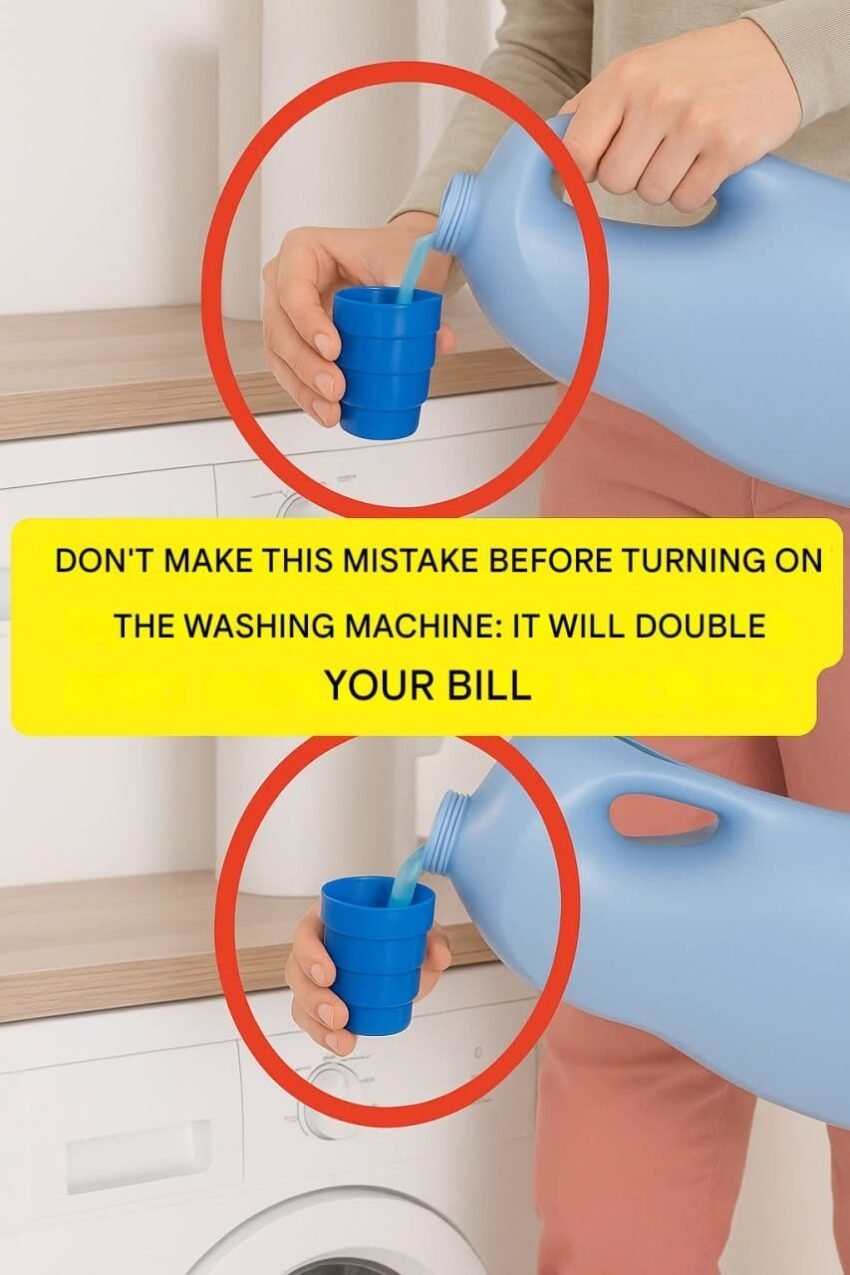
3. Using Too Much Detergent
More detergent does not mean cleaner clothes.
Problems it causes:
- Extra rinses may be needed.
- Soap residue builds up inside the machine.
- The machine may work harder, reducing efficiency over time.
Always follow the detergent instructions based on load size and water hardness.
4. Overloading the Machine
Stuffing too many clothes into the drum can:
- Make the motor work harder.
- Reduce cleaning performance.
- Increase wear on the machine.
- Lead to repeat washes, wasting more water and electricity.
5. Choosing Long or Heavy Cycles Unnecessarily
Many people use the “Heavy Duty” cycle for normal laundry.
Better choice:
- Use Eco mode or Normal mode for everyday clothes.
- Reserve heavy-duty cycles for very dirty items.
Eco modes often use less energy and water, although they may take longer.
6. Ignoring Filter and Maintenance
A clogged filter or dirty drum makes the machine less efficient.
Maintain your machine by:
- Cleaning the lint or pump filter regularly.
- Running a drum-clean cycle as recommended.
- Wiping the door seal after use (for front-load machines).
7. Running the Dryer When Clothes Can Air-Dry
If your washer is part of a washer-dryer setup, drying usually uses more electricity than washing.
To save money:
- Air-dry clothes whenever possible.
- Use the dryer only when necessary.
Money-Saving Tips
- Wash full loads without overfilling.
- Use cold water for most laundry.
- Measure detergent correctly.
- Choose Eco or Normal cycles when suitable.
- Clean the machine regularly.
- Air-dry clothes whenever possible.
Will one mistake really double your bill?
A single wash won’t double your electricity bill. However, repeatedly washing small loads, using hot water for every cycle, and choosing unnecessary heavy-duty settings can substantially increase your washing-related energy and water costs over months. In households that do laundry frequently, these habits can make laundry costs roughly twice as high as they need to be.