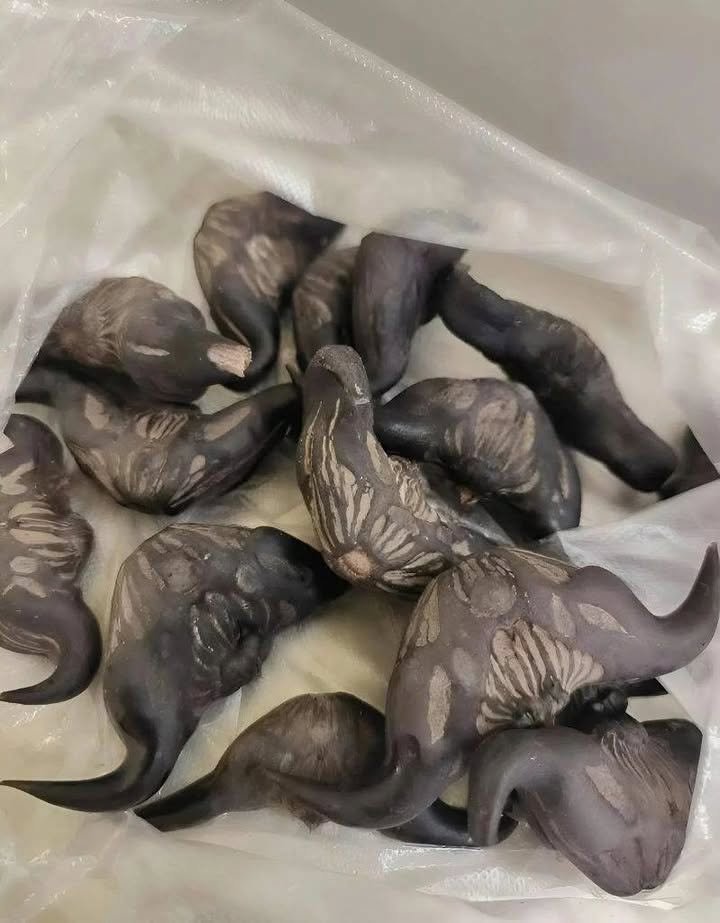
Here are five of the most dangerous foods and why they can pose a health risk.
1. Raw or Undercooked Poultry (Chicken and Turkey)
Why it’s dangerous
Raw poultry commonly carries bacteria such as:
- Salmonella
- Campylobacter
These bacteria can spread to other foods through contaminated cutting boards, knives, or hands.
Symptoms
Symptoms usually appear within 6 hours to 7 days and may include:
- Diarrhea (sometimes bloody)
- Fever
- Stomach cramps
- Nausea
- Vomiting
Prevention
- Cook poultry to an internal temperature of 74°C (165°F).
- Wash your hands after handling raw chicken.
- Keep raw poultry separate from ready-to-eat foods.
- Refrigerate leftovers within 2 hours.
2. Raw Seafood and Shellfish
Why it’s dangerous
Raw oysters, clams, mussels, and sushi can contain:
- Vibrio vulnificus
- Norovirus
- Parasites
These microorganisms are especially dangerous for people with liver disease or weakened immune systems.
Symptoms
- Severe diarrhea
- Vomiting
- Fever
- Abdominal pain
- In rare cases, bloodstream infection
Prevention
- Eat seafood from reputable suppliers.
- Cook shellfish thoroughly.
- Avoid raw shellfish if you are pregnant, elderly, or immunocompromised.
3. Unpasteurized Milk and Soft Cheeses
Why it’s dangerous
Raw (unpasteurized) milk may contain:
- Listeria monocytogenes
- Escherichia coli
- Salmonella
Soft cheeses made from unpasteurized milk may also carry these bacteria.
Symptoms
- Fever
- Muscle aches
- Diarrhea
- Vomiting
In pregnant women, infection with Listeria can cause miscarriage, stillbirth, or severe illness in newborns.
Prevention
- Choose pasteurized milk and dairy products.
- Check food labels before buying soft cheeses.
4. Leafy Green Vegetables
Why they’re dangerous
Foods like lettuce, spinach, and cabbage can become contaminated during farming, irrigation, harvesting, or packaging.
Possible contaminants include:
- Escherichia coli
- Salmonella
- Listeria monocytogenes
Because these vegetables are often eaten raw, contamination may not be eliminated before eating.
Symptoms
- Severe diarrhea
- Stomach pain
- Fever
- Vomiting
Prevention
- Wash vegetables thoroughly under running water.
- Refrigerate fresh produce promptly.
- Discard damaged or spoiled leaves.
5. Eggs
Why they’re dangerous
Raw or undercooked eggs can contain Salmonella, either inside the egg or on the shell.
Foods that may contain raw eggs include:
- Homemade mayonnaise
- Cookie dough
- Some desserts
- Homemade ice cream
Symptoms
- Fever
- Diarrhea
- Nausea
- Vomiting
- Abdominal cramps
Prevention
- Cook eggs until both the white and yolk are firm.
- Refrigerate eggs.
- Avoid eating raw batter made with eggs.
People at Highest Risk
Food poisoning can affect anyone, but serious illness is more likely in:
- Young children
- Older adults
- Pregnant women
- People with weakened immune systems
- People with chronic illnesses such as liver disease or diabetes
Common Symptoms of Food Poisoning
Symptoms may develop within a few hours or several days after eating contaminated food and can include:
- Nausea
- Vomiting
- Diarrhea
- Stomach cramps
- Fever
- Headache
- Weakness
- Dehydration
Most people recover within a few days, but some infections require medical treatment.
When to Seek Medical Care
Seek medical attention promptly if you experience:
- Bloody diarrhea
- High fever (above 39°C or 102.2°F)
- Persistent vomiting that prevents you from keeping fluids down
- Signs of severe dehydration (dry mouth, dizziness, confusion, or very little urine)
- Symptoms lasting more than 3 days
- Food poisoning in an infant, older adult, pregnant person, or someone with a weakened immune system
Tips to Prevent Food Poisoning
- Wash your hands with soap before preparing or eating food.
- Keep raw meat separate from ready-to-eat foods.
- Cook foods to safe internal temperatures.
- Refrigerate perishable foods promptly.
- Wash fruits and vegetables before eating.
- Avoid consuming expired or spoiled foods.
- Drink clean, safe water.
Following these food safety practices can significantly reduce the risk of food poisoning and help protect you and your family.