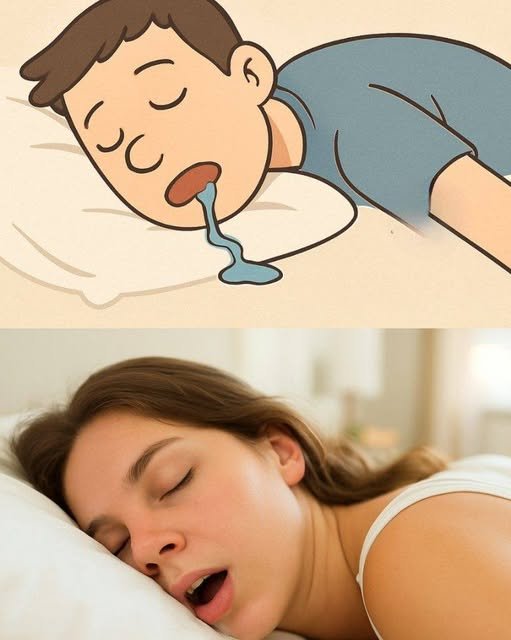
Here are 6 diseases or medical conditions that may cause excessive salivation during sleep:
1. Gastroesophageal reflux disease (GERD)
GERD occurs when stomach acid flows back into the esophagus.
Why it causes drooling:
Acid reflux can trigger the salivary glands to produce extra saliva (“water brash”) to help neutralize the acid.
Excess saliva may accumulate during sleep and leak from the mouth.
Other symptoms:
Heartburn
Sour or bitter taste in the mouth
Chest discomfort
Chronic cough
Hoarseness, especially in the morning
Treatment:
Avoid eating 2–3 hours before bedtime.
Reduce spicy, fatty, and acidic foods.
Elevate the head of the bed.
Medications such as antacids or acid-reducing drugs may be recommended by a healthcare professional.
2. Parkinson’s disease
Parkinson’s disease affects movement due to changes in dopamine-producing brain cells.
Why it causes drooling:
Many people with Parkinson’s do not actually produce more saliva.
Instead, slower swallowing causes saliva to collect and spill from the mouth, especially during sleep.
Other symptoms:
Tremors
Muscle stiffness
Slow movement
Balance problems
Soft speech
Treatment:
Speech and swallowing therapy
Exercises to improve swallowing
Medications or, in some cases, treatments that reduce saliva production
3. Obstructive sleep apnea
Sleep apnea causes repeated pauses in breathing during sleep.
Why it causes drooling:
Mouth breathing during sleep increases the likelihood of saliva escaping.
Relaxation of throat muscles can contribute to both airway blockage and drooling.
Other symptoms:
Loud snoring
Gasping or choking during sleep
Morning headaches
Excessive daytime sleepiness
Poor concentration
Treatment:
Weight management if appropriate
Continuous positive airway pressure (CPAP) therapy
Oral appliances
Surgery in selected cases
4. Stroke
A stroke interrupts blood flow to part of the brain.
Why it causes drooling:
Weakness of the facial muscles or impaired swallowing can make saliva difficult to control.
Other symptoms:
Sudden facial drooping
Weakness of an arm or leg
Difficulty speaking or understanding speech
Vision problems
Loss of balance
Treatment:
A stroke is a medical emergency requiring immediate hospital care. Rehabilitation often includes swallowing therapy.
5. Cerebral palsy
Cerebral palsy affects movement and muscle coordination due to early brain injury or abnormal brain development.
Why it causes drooling:
Poor control of facial and swallowing muscles can make it difficult to keep saliva in the mouth.
Other symptoms:
Muscle stiffness or weakness
Difficulty walking
Problems with coordination
Speech difficulties
Swallowing difficulties
Treatment:
Physical therapy
Speech and swallowing therapy
Medications or procedures to reduce excessive drooling when needed
6. Bell’s palsy
Bell’s palsy is a sudden weakness or paralysis of one side of the face caused by dysfunction of the facial nerve.
Why it causes drooling:
Weak facial muscles may prevent the lips from closing completely, allowing saliva to escape during sleep.
Other symptoms:
One-sided facial drooping
Difficulty closing one eye
Changes in taste
Increased sensitivity to sound
Facial pain around the ear
Treatment:
Corticosteroids started early are often recommended.
Eye protection if the eyelid doesn’t close completely.
Most people improve over weeks to months.
Other common (non-disease) causes
Not all nighttime drooling is due to disease. It can also result from:
Sleeping on your side or stomach
Nasal congestion from allergies or a cold
Sinus infections
Certain medications (such as some antipsychotics or medications that increase saliva)
Mouth breathing
When to see a doctor
Arrange a medical evaluation if:
Drooling is new, persistent, or worsening.
It is accompanied by difficulty swallowing, choking, or frequent coughing while eating.
You have loud snoring, witnessed pauses in breathing, or excessive daytime sleepiness.
You notice facial weakness, slurred speech, or sudden numbness—seek emergency care immediately if these symptoms appear.
The drooling significantly disrupts sleep or causes skin irritation.
In many cases, nighttime drooling is not a sign of a serious illness, but persistent or excessive drooling—especially when accompanied by other neurological, swallowing, or breathing symptoms—should be assessed by a healthcare professional to identify and treat the underlying cause.