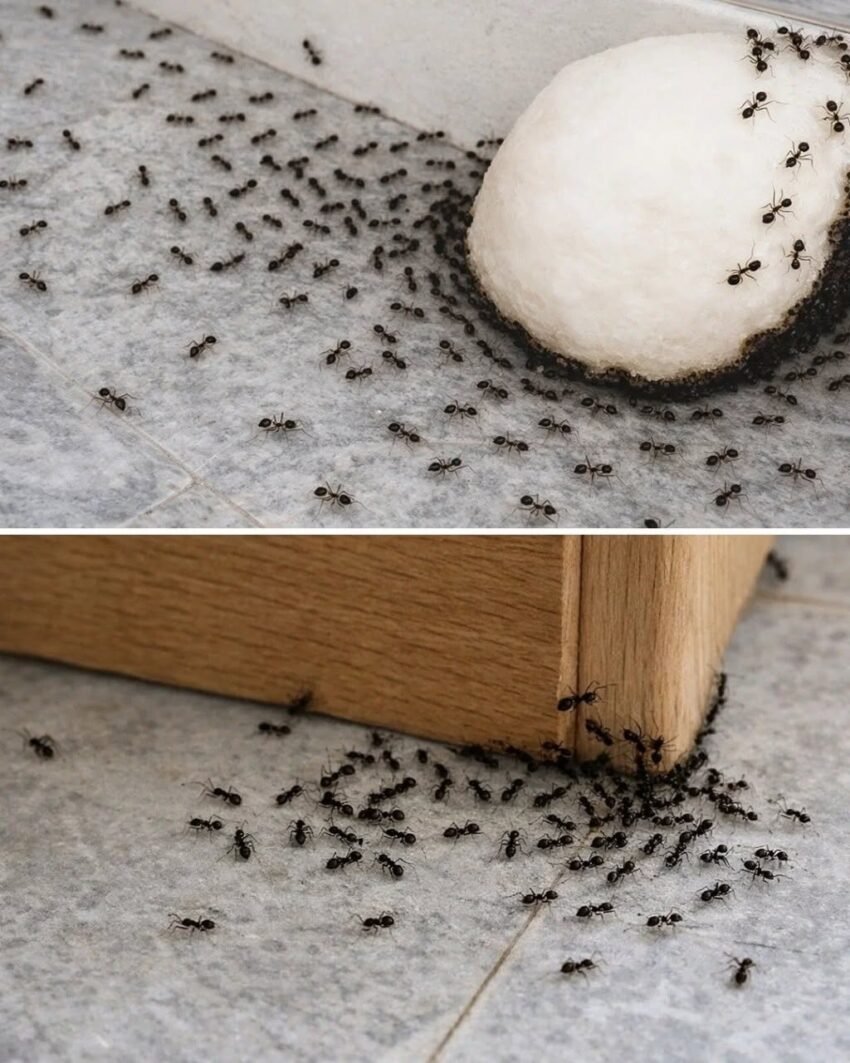
If you want to prevent ants from invading your home without using chemical pesticides, the most effective approach is to combine cleanliness, blocking entry points, removing attractants, and using natural deterrents. While no method can guarantee ants will never return—especially during warm weather or after heavy rain—these steps can greatly reduce infestations.
Why ants enter homes
Ants usually come indoors because they are searching for:
- Food (especially sugar, grease, and protein)
- Water
- Shelter from heat, rain, or cold
Scout ants leave a chemical trail (pheromones) that helps other ants find the same food source. Breaking this trail is one of the keys to preventing infestations.
Step 1: Keep Your Home Free of Food Sources
Clean kitchen surfaces daily
- Wipe countertops after every meal.
- Clean crumbs from tables and floors.
- Don’t leave dirty dishes overnight.
- Vacuum regularly.
Store food properly
- Use airtight containers.
- Seal cereal, flour, sugar, rice, and pet food.
- Keep fruit in the refrigerator if ants are common.
Manage garbage
- Empty trash daily.
- Wash garbage bins weekly.
- Use bins with tight-fitting lids.
Step 2: Eliminate Water Sources
Ants also need moisture.
Check for:
- Leaky faucets
- Pipe leaks under sinks
- Wet sponges
- Standing water
- Damp towels
Dry sinks before bed whenever possible.
Step 3: Seal Entry Points
Inspect your home for cracks around:
- Windows
- Doors
- Pipes
- Electrical cables
- Foundation
- Baseboards
Seal openings using:
- Silicone caulk
- Weather stripping
- Door sweeps
Even tiny gaps can allow ants inside.
Step 4: Remove Ant Trails Naturally
When you see ants:
- Mix:
- Equal parts white vinegar and water
- Spray directly on:
- Ant trails
- Windowsills
- Doorways
- Baseboards
- Wipe dry.
The vinegar removes the scent trail that guides other ants.
Step 5: Natural Ant Repellents
Cinnamon
Ants dislike cinnamon’s strong smell.
Use:
- Ground cinnamon
- Cinnamon sticks
Place near:
- Doors
- Windows
- Pantry shelves
Peppermint oil
Mix:
- 10–20 drops peppermint essential oil
- 1 cup water
Spray around:
- Entry points
- Cabinets
- Baseboards
Reapply every few days.
Lemon juice
Mix:
- 1 part lemon juice
- 3 parts water
Spray around windows and doors.
The acidity helps disrupt scent trails.
Cloves
Whole cloves or clove essential oil can deter ants.
Place cloves in:
- Cupboards
- Pantry corners
- Near ant entry points
Citrus peels
Fresh orange or lemon peels can temporarily discourage ants.
Replace every few days.
Coffee grounds
Used coffee grounds can be sprinkled:
- Around outdoor ant nests
- Along garden borders
Results vary, but some people find them helpful.
Bay leaves
Place dried bay leaves:
- Inside food cupboards
- Pantry shelves
- Sugar containers (outside the container)
Step 6: Use Food-Grade Diatomaceous Earth
Food-grade diatomaceous earth is a natural powder made from fossilized algae.
It works by damaging the insects’ outer coating, causing them to dehydrate.
Sprinkle a thin layer:
- Under appliances
- Along baseboards
- Around entry points
Tips:
- Use only food-grade diatomaceous earth.
- Keep it dry.
- Avoid inhaling the dust.
Step 7: Remove Outdoor Attractions
Outside your home:
- Trim shrubs touching walls.
- Keep mulch away from the foundation.
- Remove piles of leaves.
- Store firewood away from the house.
- Clean fallen fruit from gardens.
- Fix outdoor water leaks.
Step 8: Find and Treat Outdoor Nests Naturally
If you locate an outdoor nest:
Pour several kettles of boiling water directly into it. This may eliminate small nests but is less effective for large or deep colonies.
Alternatively, encourage natural predators by maintaining a healthy garden ecosystem.
Step 9: Protect Pet Food
Don’t leave pet food out all day.
Instead:
- Feed pets at scheduled times.
- Clean bowls after feeding.
- Wipe away spills.
Step 10: Keep Plants Away from the House
Branches touching your roof or walls can act as “bridges” for ants.
Trim:
- Tree branches
- Vines
- Bushes
Keep vegetation at least several inches away from exterior walls.
Step 11: Use Natural Cleaning Solutions
A simple homemade cleaner:
- 1 cup white vinegar
- 1 cup water
- A few drops of lemon or peppermint essential oil
Use it to clean:
- Kitchen counters
- Floors
- Windowsills
- Baseboards
This helps remove food residue and disrupt ant trails.
Natural Methods That May Be Less Reliable
Some commonly suggested remedies have mixed evidence:
- Chalk lines
- Baby powder
- Cornmeal
- Baking soda alone
- Salt barriers
These may work in some situations but are generally less consistent than cleaning, sealing entry points, and removing scent trails.
Seasonal Prevention Tips
Spring
- Inspect for cracks.
- Seal gaps before ants become active.
- Clean pantry shelves.
Summer
- Store fruit properly.
- Keep outdoor garbage covered.
- Clean spills immediately.
Autumn
- Trim vegetation.
- Repair weather stripping.
- Check for moisture problems.
Winter
- Continue regular cleaning.
- Inspect storage areas.
- Keep dry food sealed.
Common Mistakes to Avoid
- Leaving sugary spills overnight.
- Ignoring a few scout ants.
- Spraying only visible ants without removing scent trails.
- Leaving pet food out continuously.
- Not sealing cracks around doors and windows.
- Allowing moisture to accumulate under sinks.
When Natural Methods May Not Be Enough
If you notice:
- Large numbers of ants returning despite prevention,
- Multiple colonies inside walls,
- Structural damage from ants (such as carpenter ants),
it may be necessary to identify the species and consider targeted control measures. Carpenter ants, for example, often indicate damp or decaying wood that should be repaired in addition to addressing the infestation.
Long-Term Success
The most effective chemical-free strategy combines:
- Excellent kitchen hygiene.
- Sealing all possible entry points.
- Removing food and water sources.
- Wiping away ant trails with vinegar or soapy water.
- Using natural deterrents like peppermint oil, cinnamon, or food-grade diatomaceous earth.
- Maintaining your home’s exterior to reduce easy access.
When these practices are maintained consistently, many households can significantly reduce or prevent recurring ant invasions without relying on chemical insecticides