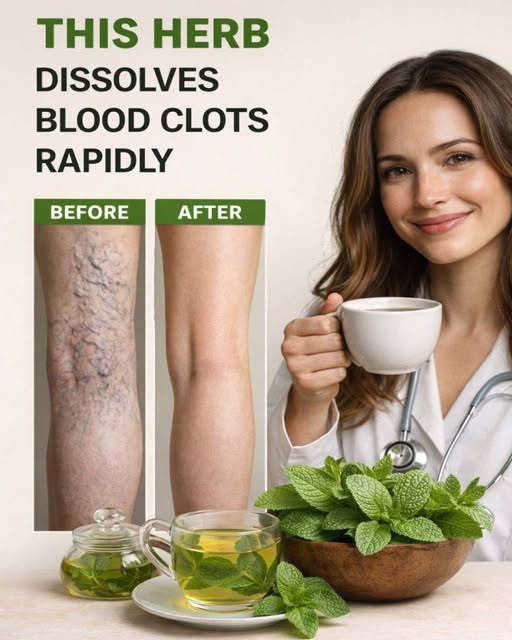
If you’re referring to the headline “Heavy Legs and Low Energy? This Hidden Herb Might Be the Natural Boost You Need,” the herb being hinted at could be Asian ginseng (Panax ginseng)—but there’s an important distinction: ginseng has some evidence for general fatigue, whereas heavy legs can have several different causes and shouldn’t automatically be treated with an herb.
1. What “heavy legs” can mean
People commonly describe their legs as:
- Heavy or weighed down
- Tired after standing or walking
- Achy or tight
- Weak or lacking endurance
- Swollen around the ankles
- Uncomfortable later in the day
- Better after elevating the legs or lying down
One possible explanation is chronic venous insufficiency, in which the veins have difficulty returning blood from the legs to the heart. This can produce leg discomfort and swelling.
However, fatigue and heavy-feeling legs can also occur with anemia, nutritional deficiencies, inadequate sleep, medication effects, low physical activity, thyroid problems, diabetes, heart or kidney disease, infections, and other conditions.
So the symptom itself doesn’t tell us that an herb is the answer.
2. The “hidden herb”: Asian ginseng
, also called Korean, Chinese, red, or white ginseng depending on the preparation, is one of the herbs most commonly marketed for energy and fatigue.
Its major active compounds are ginsenosides. Researchers have investigated ginseng for fatigue, cognition, stress, athletic performance, blood sugar and several other purposes.
Does it actually increase energy?
The evidence is mixed but interesting.
A 2023 review of 19 studies involving 2,413 people found that Asian ginseng may have a small beneficial effect on general fatigue. However, the evidence wasn’t consistent, and some studies have not found a meaningful benefit.
That means it’s more accurate to say:
Ginseng may modestly improve subjective fatigue in some people.
It is not established as a treatment for unexplained chronic fatigue, and it shouldn’t be viewed as a substitute for diagnosing the reason you’re tired.
3. What about the “heavy legs” specifically?
This is where the headline can be misleading.
Asian ginseng isn’t well established as a treatment for heavy legs caused by venous insufficiency.
There’s another herb with considerably more direct research in this particular area: horse chestnut seed extract (Aesculus hippocastanum).
Studies have investigated standardized horse chestnut seed extract for chronic venous insufficiency, which can cause leg pain, swelling, itching and discomfort. A systematic review suggested that it could improve symptoms, although better-quality trials are still needed.
So if an article is talking specifically about heavy, achy, swollen legs, it may actually be referring to horse chestnut, rather than ginseng.
Important safety distinction
Raw horse chestnut is toxic when consumed. The preparations studied medically are standardized extracts from which the toxic component has been removed. NCCIH notes that standardized extracts have generally been tolerated in short-term studies, but they can still cause side effects and interact with medications.
Never make tea, powder or supplements from raw horse-chestnut seeds yourself.
4. Why low energy deserves attention
If you’re experiencing both persistent fatigue and heavy legs, it is worth looking beyond supplements.
For example, iron-deficiency anemia can cause:
- Extreme tiredness
- Weakness
- Dizziness
- Shortness of breath
- Fast heartbeat
- Cold hands and feet
- Headaches
- Restless legs
Vitamin B12 or folate deficiency can also produce tiredness and muscle weakne
Other possibilities include poor sleep, sleep apnea, thyroid disease, diabetes, medication side effects, depression/stress, inadequate nutrition, and cardiovascular or kidney problems.
That’s why repeatedly treating fatigue with stimulants or herbs without determining the cause isn’t ideal.
5. Ginseng safety
For most adults, short-term use of Asian ginseng in recommended amounts appears reasonably safe, but it isn’t risk-free. The most common side effect is insomnia. Other reported problems include digestive symptoms, allergic reactions and, rarely, liver injury.
Ginseng can also affect blood sugar and blood clotting and may interact with medications. NCCIH specifically advises people taking medicines to discuss herbal products with their healthcare professional.
Extra caution is appropriate if you:
- Take diabetes medication
- Take blood thinners/anticoagulants
- Take blood-pressure medication
- Take certain antidepressants
- Have an autoimmune condition
- Are pregnant or breastfeeding
- Have significant medical conditions
Herbal supplements also aren’t necessarily identical to the preparations used in clinical research; commercially available products can vary substantially.
6. What about ashwagandha?
Another herb frequently advertised as an “energy” or stress remedy is .
There is some evidence for certain preparations helping stress and insomnia, but NCCIH says there isn’t enough high-quality evidence to determine whether ashwagandha helps many other conditions, including athletic performance and cognitive function
It can also cause drowsiness and gastrointestinal symptoms and has been associated, rarely, with liver injury. It can interact with thyroid, diabetes, blood-pressure, sedative and immunosuppressive medications
So I wouldn’t automatically choose ashwagandha simply because you’re feeling low-energy.
7. When heavy legs need medical attention
Sudden swelling or pain in one leg, particularly calf pain, can indicate a deep-vein thrombosis (DVT) and requires prompt medical assessment.
Seek emergency care if fatigue or leg symptoms occur with chest pain, significant shortness of breath, fainting/near-fainting, or a rapid/irregular heartbeat.
For persistent unexplained fatigue, Mayo Clinic recommends medical evaluation when lifestyle measures such as adequate rest, nutrition, hydration and stress reduction haven’t helped after about two weeks.
Bottom line
If the headline is about a natural herb for “low energy,” Asian ginseng is a plausible candidate, and evidence suggests it may provide a modest improvement in general fatigue for some people.
If the headline is specifically about “heavy legs,” especially heavy/achy/swollen legs associated with poor venous circulation, horse chestnut seed extract is more directly relevant—but only standardized, properly prepared extracts should be considered.
Neither herb should be used simply to mask persistent or unexplained fatigue, because conditions such as anemia, thyroid disease, sleep disorders, medication effects and circulatory problems may need treatment instead.
If you give me the name of the herb or the article/headline you saw, I can break down exactly what the herb is, its proven benefits, dosage used in studies, side effects, drug interactions, and whether the claims are scientifically supported.