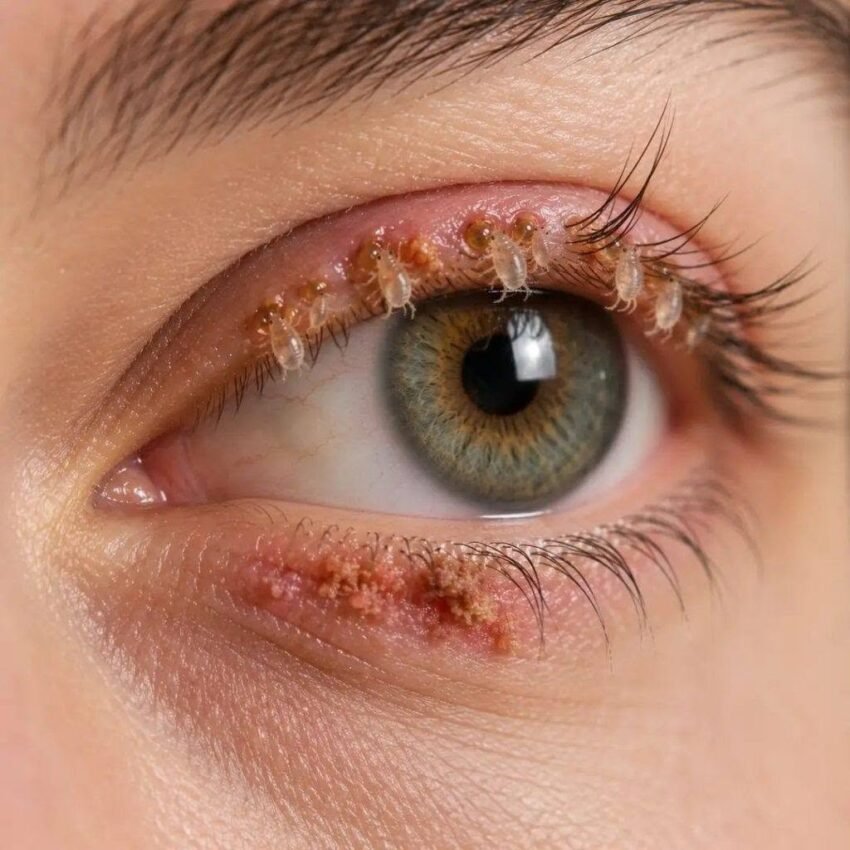
Here are the main consequences in detail:
1. Dry Eyes
While you sleep, your eyes naturally produce fewer tears. Wearing contact lenses overnight can:
- Make your eyes feel dry, gritty, or scratchy.
- Cause discomfort when you wake up.
- Make it difficult to remove the lenses.
Symptoms:
- Dryness
- Burning sensation
- Blurred vision
- Feeling like something is in your eye
2. Eye Irritation
Lenses can rub against your cornea while you sleep, leading to irritation.
Symptoms:
- Redness
- Itching
- Mild pain
- Increased sensitivity to light
3. Corneal Abrasion (Scratch on the Eye)
If the lens sticks tightly to your eye because of dryness, removing it can scratch the cornea.
Symptoms:
- Sharp eye pain
- Excessive tearing
- Light sensitivity
- Blurred vision
4. Eye Infection (Microbial Keratitis)
This is one of the most serious risks. Sleeping in contact lenses increases the chance of developing a bacterial, fungal, or parasitic infection.
Common germs include:
- Pseudomonas aeruginosa
- Staphylococcus aureus
- Acanthamoeba (rare but serious)
Symptoms:
- Severe pain
- Red eye
- Thick discharge
- Blurred vision
- Light sensitivity
- White spot on the cornea
Without prompt treatment, these infections can permanently damage vision.
5. Corneal Ulcer
An untreated infection may develop into an open sore (ulcer) on the cornea.
Symptoms:
- Severe pain
- Redness
- White or gray spot on the eye
- Blurred vision
- Excessive tearing
This is a medical emergency and requires immediate evaluation by an eye care professional.
6. Corneal Hypoxia (Lack of Oxygen)
The cornea gets oxygen directly from the air. Closed eyelids plus contact lenses reduce oxygen even further.
Over time this can cause:
- Swelling of the cornea
- Blurry vision
- Discomfort
- Increased risk of infection
7. Giant Papillary Conjunctivitis (GPC)
Long-term contact lens wear, especially with poor lens hygiene, can cause inflammation of the inside of the eyelid.
Symptoms:
- Itching
- Excess mucus
- Lenses moving around excessively
- Reduced comfort while wearing lenses
Who Is at Highest Risk?
The risk is higher if you:
- Sleep in lenses that are not approved for overnight wear.
- Wear lenses longer than recommended.
- Do not clean or replace lenses properly.
- Smoke.
- Swim or shower while wearing lenses.
What Should You Do If You Accidentally Slept in Your Contacts?
- Do not remove them immediately if your eyes feel very dry.
- Use sterile lubricating eye drops and wait a few minutes.
- Gently remove the lenses.
- Do not wear contacts again until your eyes feel completely normal.
- Discard disposable lenses that were worn overnight if recommended by the manufacturer.
Seek urgent medical care if you have:
- Severe eye pain
- Persistent redness
- Blurred vision that doesn’t improve
- Light sensitivity
- Eye discharge
- A white spot on your eye
Can You Ever Sleep in Contact Lenses?
Some extended-wear contact lenses are approved for overnight use. Even with these lenses, sleeping in them increases the risk of eye infections compared with removing them before bed. Eye care professionals generally recommend removing contact lenses before sleeping whenever possible.
Key Takeaway
Sleeping in contact lenses just once may not always cause problems, but it increases the risk of dryness, irritation, corneal scratches, infections, and, in severe cases, permanent vision loss. Removing your contact lenses before going to sleep is the safest habit for maintaining healthy eyes.