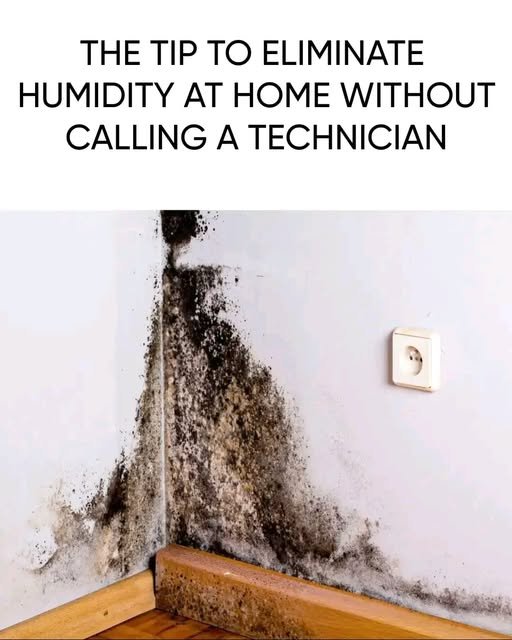
If your home feels humid, there are several effective ways to reduce moisture. The best approach depends on what’s causing the humidity.
Quick ways to reduce indoor humidity
- Open windows when the outdoor air is drier than indoors.
- Use exhaust fans in the kitchen while cooking and in the bathroom during and after showers.
- Run the air conditioner, which naturally removes moisture from the air.
- Use a dehumidifier if humidity is consistently high.
Home remedies that can help
These won’t replace a dehumidifier, but they may help in small spaces:
- Rock salt: Place coarse rock salt in an open container. It absorbs some moisture from the air. Replace it when it becomes damp.
- Charcoal briquettes (plain, without lighter fluid): Can absorb some moisture and odors in closets or cupboards.
- Silica gel packs: Useful for drawers, cabinets, and storage boxes.
Reduce sources of moisture
- Dry clothes outdoors if possible instead of indoors.
- Cover pots while cooking.
- Fix leaking pipes, roofs, or faucets promptly.
- Avoid overwatering indoor plants.
Improve airflow
- Keep furniture a few inches away from exterior walls.
- Use ceiling or portable fans to keep air circulating.
Ideal indoor humidity
Aim for 30% to 50% relative humidity. If it’s consistently above 60%, mold and dust mites are more likely to grow.
If you live in a very humid climate or notice condensation on windows, a musty smell, or mold spots, a dehumidifier is usually the most effective long-term solution.
If by “derail remedy” you meant something else (for example, a specific product or term), let me know and I’ll tailor the advice.