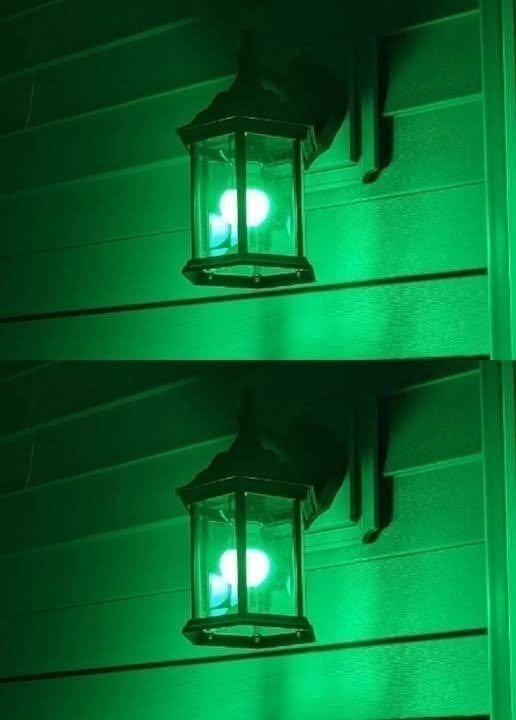
Here are the most common meanings:
1. Honoring military veterans (the most common association)
The best-known meaning of a green porch light in the U.S. is support for military veterans through the Greenlight A Vet campaign.
People leave a green light on to:
- Honor veterans.
- Show appreciation for military service.
- Remember veterans who have passed away.
- Raise awareness of veterans’ challenges after military service.
If your ex-husband’s father was a veteran, this is a very plausible explanation. Instead of saying, “It’s because of my dad,” he may have assumed you knew about this tradition.
2. A memorial after someone dies
Many people use colored porch lights simply as a personal tribute after losing a loved one.
In this case, green may symbolize:
- remembrance
- eternal life
- peace
- hope
- healing after loss
- continuing someone’s memory
This isn’t an official tradition, but people often choose a color that had personal meaning to the deceased.
3. Mental health awareness
Green is widely recognized as the color of mental health awareness.
Some people use green lights to:
- encourage conversations about mental illness
- remember someone who struggled with depression or another mental illness
- promote suicide prevention awareness
If his father died under circumstances related to mental health, this could also explain the choice, although you shouldn’t assume that without more information.
4. Lyme disease awareness
Green is also associated with Lyme disease awareness, particularly during awareness campaigns in May.
Someone whose loved one suffered from Lyme disease may display a green light as a tribute or to raise awareness.
5. Organ donation or health awareness
Occasionally, green lights are used to support:
- organ donation
- kidney health
- other health-related awareness campaigns
These uses are less common than the veteran association.
6. Personal symbolism
Sometimes a green porch light has no public meaning at all.
Your ex-husband may have chosen green because:
- it was his father’s favorite color
- it reminded him of nature, fishing, hunting, or another shared interest
- it symbolized hope after loss
- it simply felt comforting to him
Many grieving people create personal rituals that don’t have a widely recognized meaning.
Why he may not have explained it
People who are grieving sometimes give very brief answers because:
- talking about the loss is painful
- they assume others understand the symbolism
- they don’t want to discuss their emotions
- the ritual is deeply personal
His response, “It’s because of my father,” suggests the light itself is significant to him, even if he didn’t want to explain the details at that moment.
Since you live together
Because it’s a shared home, it’s understandable that you wanted to know why a visible change was made without discussing it first. At the same time, if the light is serving as a memorial during a recent bereavement, it may be an important part of how he’s grieving.
If you’re still curious, a gentle, non-confrontational question such as, “I’d like to understand what the green light means to you and your dad,” is more likely to invite an explanation than asking what it means in general.
Based on what you’ve shared, the strongest possibility is that his father was a veteran or that the green light is a personal memorial related to his father’s recent death. Without more information from him, though, there’s no way to determine the exact reason.