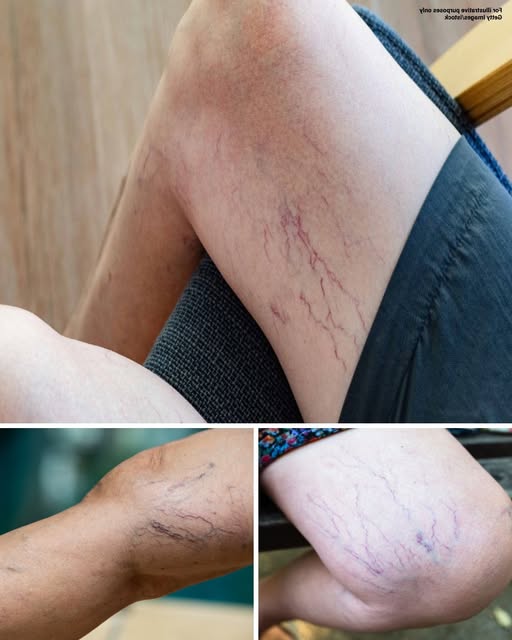
Purple veins on your legs are usually related to changes in the blood vessels under your skin. In most cases, they are not dangerous, but they can sometimes signal circulation problems. Here’s a clear breakdown of what they might mean.
1. Most common causes
Spider veins (telangiectasia)
These are tiny, thin purple, red, or blue veins that sit close to the skin surface. They often look like webs or branches. They can appear on legs due to:
- Standing or sitting for long hours
- Genetics (family history)
- Hormonal changes (pregnancy, birth control)
- Aging
Varicose veins
These are larger, swollen, twisted veins that can look dark blue or purple. They happen when valves inside the veins weaken, causing blood to pool in the legs.
Common reasons include:
- Long periods of standing (teachers, workers, etc.)
- Obesity or extra weight
- Pregnancy
- Aging
- Family history
2. Symptoms you might notice
Depending on severity, you may also feel:
- Aching or heaviness in legs
- Swelling (especially after standing)
- Burning or throbbing feeling
- Itching around veins
- Visible bulging veins (in varicose veins)
3. When it is usually harmless
Purple veins are often only a cosmetic issue if:
- They are small and flat
- There is no pain or swelling
- They do not change quickly
4. When to be careful (see a doctor)
You should get checked if you notice:
- Sudden increase in size or number of veins
- Pain, warmth, or redness in the area
- Swelling in one leg only
- Skin darkening or sores near veins
- A hard, tender vein (could suggest inflammation)
5. Simple ways to improve or prevent worsening
- Walk regularly (improves blood flow)
- Avoid sitting/standing too long without movement
- Elevate legs when resting
- Maintain a healthy weight
- Wear compression stockings if advised
- Stay hydrated
6. Treatment options (if needed)
For persistent or uncomfortable veins:
- Compression therapy
- Laser treatment
- Sclerotherapy (injection to close small veins)
- Minor procedures for larger varicose veins
If you want, you can describe what your veins look like (small thin lines vs bulging veins, pain or not), and I can help you figure out which type it most likely is.