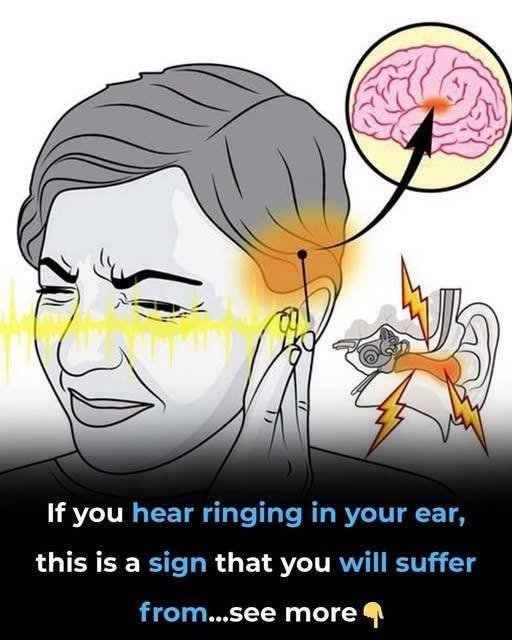
Ringing in the ear is called tinnitus. It is not considered a sign that you will definitely suffer from a specific illness. Instead, it is a symptom that can have many possible causes, ranging from harmless to conditions that need medical attention.
Common causes include:
- Exposure to loud noise (concerts, machinery, headphones at high volume)
- Age-related hearing loss
- Earwax buildup
- Ear infections
- Certain medications (such as high doses of aspirin or some antibiotics)
- Stress and anxiety
- High blood pressure
- Problems with the jaw joint (TMJ)
When tinnitus is usually not an emergency
If the ringing:
- Comes and goes.
- Occurs after loud noise exposure.
- Is mild and doesn’t affect your daily life.
You should still mention it to a healthcare provider, especially if it lasts more than a few days.
When you should seek medical attention promptly
See a healthcare provider as soon as possible if the ringing:
- Is only in one ear.
- Starts suddenly.
- Is accompanied by sudden hearing loss.
- Is accompanied by dizziness, severe headache, weakness, numbness, or difficulty speaking.
- Sounds like a heartbeat (called pulsatile tinnitus), which can sometimes indicate a blood vessel problem.
Can tinnitus predict future suffering?
No scientific evidence shows that simply hearing ringing in your ear predicts that you will suffer from future misfortune or disease. It is a medical symptom, not a warning of future events.
Treatment
Treatment depends on the cause and may include:
- Removing earwax if present.
- Treating an ear infection.
- Adjusting medications (only under medical supervision).
- Hearing aids if hearing loss is present.
- Sound therapy (white noise or background sounds).
- Cognitive behavioral therapy (CBT), which can help reduce the distress caused by tinnitus.
- Managing stress and protecting your ears from loud noise.
If you’ve had ringing in your ear for more than a week, or it’s becoming more frequent or bothersome, it’s a good idea to schedule an evaluation with a healthcare professional, who may recommend a hearing test or refer you to an ear, nose, and throat (ENT) specialist.
If you tell me:
- Which ear is affected (left, right, or both),
- How long you’ve had the ringing,
- Whether it is constant or intermittent, and
- Whether you have hearing loss, dizziness, pain, or recent loud-noise exposure,
I can help explain what the most likely causes are in your situation.