-
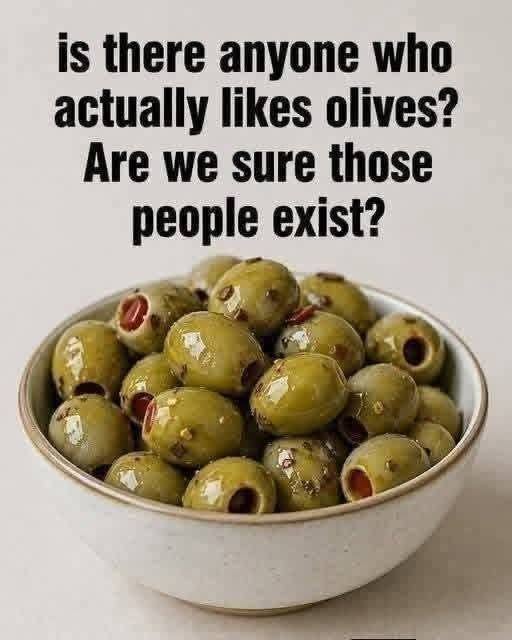
Absolutely. Olives are one of those foods people either love intensely or strongly dislike—but there are good reasons they have so many devoted fans. Their distinctive salty, bitter, fruity, and sometimes buttery flavor comes with a surprisingly interesting nutritional profile.
Why Do People Like Olives So Much?
Olives have a complex flavor that comes from several compounds, including oleuropein and other polyphenols, as well as naturally occurring fats. The curing process—using brine, salt, water, or other methods—also transforms their originally very bitter taste into the savory flavor people associate with table olives.
For fans, that combination of saltiness + umami-like savoriness + richness + slight bitterness makes olives extremely satisfying.
Major Benefits of Olives
1. They Provide Heart-Friendly Fats
Most of the fat in olives is monounsaturated fat, particularly oleic acid.
Monounsaturated fats are generally considered beneficial when they replace saturated fats in the diet. Olives are therefore a useful way to add unsaturated fat to meals without relying entirely on oils.
Potential benefits include:
- Supporting a heart-healthy eating pattern
- Helping improve the overall quality of dietary fat
- Providing energy and increasing meal satisfaction
This is one reason olives are prominent in the Mediterranean-style diet.
2. They Contain Antioxidant Compounds
Olives contain several plant compounds with antioxidant activity, including polyphenols.
Antioxidants help protect cells from oxidative stress caused by reactive molecules produced naturally by the body and influenced by environmental factors.
Important olive compounds include:
- Oleuropein
- Hydroxytyrosol
- Tyrosol
- Flavonoids
The amounts vary considerably depending on the olive variety and how it has been processed.
3. They May Support Cardiovascular Health
Olives aren’t a medicine, but their combination of monounsaturated fat and plant polyphenols fits well into dietary patterns associated with cardiovascular health.
The strongest evidence comes from overall eating patterns rather than from eating olives alone. A Mediterranean-style diet, for example, emphasizes vegetables, fruits, legumes, whole grains, nuts, fish, and olive oil.
So the useful takeaway isn’t “eat a bowl of olives and protect your heart.” It’s that olives can be one component of a generally heart-conscious diet.
4. They Provide Vitamin E
Olives contain vitamin E, a fat-soluble antioxidant vitamin that contributes to normal protection of cells from oxidative damage.
Vitamin E also plays roles in normal immune function and other physiological processes.
The quantity depends on the type and serving size, so olives shouldn’t necessarily be viewed as a primary vitamin-E food, but they can contribute to overall intake.
5. They Offer Some Fiber
Whole olives contain dietary fiber, although they aren’t an especially high-fiber food compared with beans, lentils, berries, or many vegetables.
Fiber can help:
- Support normal bowel function
- Contribute to digestive health
- Increase satiety
- Support a healthy dietary pattern
Eating olives alongside other high-fiber foods makes much more sense nutritionally than relying on olives for fiber.
6. They Contain Several Minerals
Olives provide smaller amounts of minerals such as iron, copper, calcium, and magnesium, with quantities varying according to variety and processing.
They can therefore contribute to micronutrient intake, although again, olives aren’t usually the most concentrated source of these nutrients.
7. They Can Make Healthy Foods More Appealing
This is an underrated benefit.
A salad consisting only of vegetables can be pretty boring for some people. Adding olives provides fat, saltiness, acidity, and intense flavor, potentially making vegetables and other nutritious foods more enjoyable.
For example:
- Tomatoes + cucumbers + olives
- Chickpeas + olives + vegetables
- Whole-grain pasta + vegetables + olives
- Roasted vegetables + olives
- Fish + lemon + olives
If olives make someone more enthusiastic about eating vegetables, legumes, and whole grains, that’s a practical nutritional advantage.
But There’s One Big Catch: Sodium
This is particularly important.
Most table olives are cured in salty brine, meaning they can contain a substantial amount of sodium.
That’s not necessarily a problem for everyone, but people who need to limit sodium should pay attention to portion sizes and nutrition labels.
You can sometimes reduce the sodium contribution by:
- Choosing lower-sodium varieties
- Rinsing olives before eating them
- Keeping portions moderate
- Balancing them with other foods that aren’t heavily salted
Rinsing doesn’t remove all the sodium, but it can reduce some surface salt.
Green vs. Black Olives
Interestingly, green and black olives aren’t necessarily completely different fruits.
In many cases, they’re the same species harvested at different stages of ripeness or processed differently. Green olives are generally harvested earlier, while naturally ripened olives become darker.
Their flavor, texture, nutritional composition, and processing can differ substantially, though.
Green olives
Often:
- Firmer
- More bitter or grassy
- Brighter and sharper in flavor
Black/ripened olives
Often:
- Softer
- Milder
- More buttery or fruity
So if someone says, “I hate green olives,” that doesn’t necessarily mean they’ll hate every type of olive.
Why Do Some People Hate Olives?
There’s actually a legitimate sensory explanation.
Olives contain bitter compounds, particularly before curing. Some people are much more sensitive to bitterness than others because taste perception varies between individuals.
Curing reduces the natural bitterness, but different varieties and processing methods produce very different flavors.
And then there’s the texture.
Some people love the soft, oily, slightly chewy texture. Others find it unpleasant.
So the olive debate isn’t simply “good taste versus bad taste.” Genetics, previous food experiences, smell, texture preferences, and familiarity with fermented/cured foods can all influence whether someone enjoys them.
What Makes Olives Especially Interesting?
One of the biggest nutritional stories isn’t actually the olive itself—it’s the olive oil produced from it.
Olive oil concentrates much of the fruit’s fat and contains various bioactive compounds, particularly when extra-virgin olive oil is used. However, whole olives have an advantage that oil doesn’t: they retain fiber and the physical structure of the fruit.
So there’s room for both in a balanced diet.
How Many Should You Eat?
There’s no universal “perfect” number of olives.
A modest serving—roughly a small handful—can fit easily into a balanced diet. The main things to consider are your overall calorie intake and, especially, the sodium content of the particular product.
Rather than thinking:
“Olives are healthy, so more must be better.”
It’s more useful to think:
“Olives are a flavorful source of unsaturated fat and plant compounds that can complement an otherwise nutritious diet.”
Bottom Line
Yes—lots of people genuinely love olives, and they’re not just eating them because they’re fancy Mediterranean garnishes.
Olives offer:
- 🫒 Mostly monounsaturated fat
- 🧬 Polyphenols and other antioxidant compounds
- ❤️ A food profile compatible with heart-healthy eating patterns
- 🛡️ Vitamin E and other micronutrients
- 🌿 Some dietary fiber
- 😋 A powerful way to add flavor to nutritious meals
Their main drawback is that cured olives can be very high in sodium, so portion size and the specific variety matter.
And if you currently hate olives, don’t assume the entire category is hopeless. Kalamata, Castelvetrano, Manzanilla, black ripe olives, and other varieties can taste dramatically different. Sometimes the person who says “I hate olives” simply hasn’t found their olive yet.