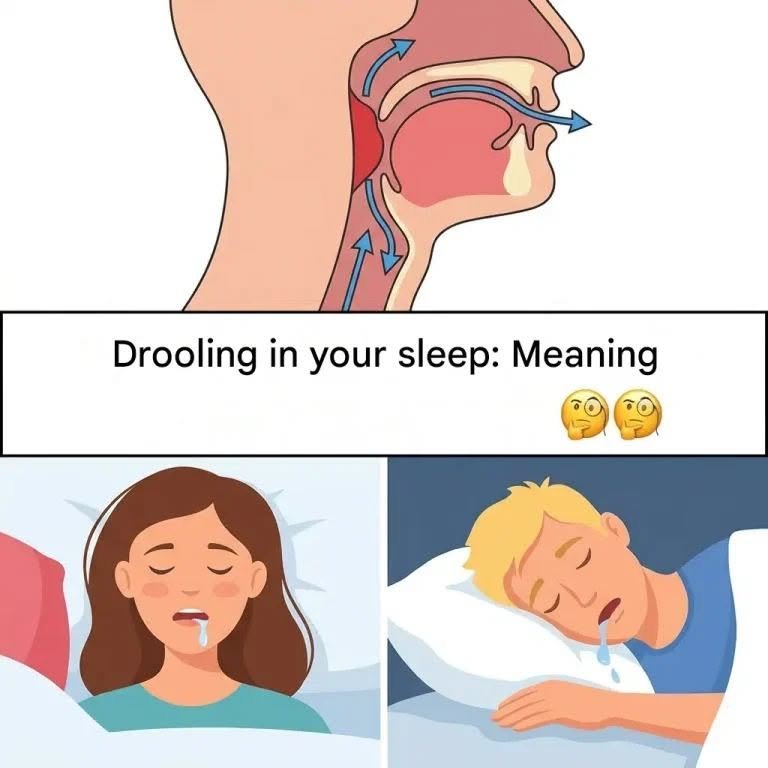
A slightly damp pillow is often harmless. If your pillow, hair, pajamas, or bedding are repeatedly soaked despite a cool bedroom, however, it deserves more attention.
What your body may be telling you
Sweating is one of the body’s main ways of controlling temperature. During sleep, your temperature naturally changes, and some people simply sweat more around the head and neck. A little moisture on the pillow doesn’t automatically indicate illness.
Possible explanations include:
- Your bedroom or bedding is too warm. Heavy blankets, synthetic bedding, a warm mattress, or poor airflow can trap heat around your head.
- Normal individual sweating. Some people naturally sweat more from the scalp, face and neck.
- Stress or anxiety. Activation of the nervous system can increase sweating, including during sleep.
- Alcohol, caffeine or spicy foods. These can make nighttime sweating more likely in some people.
- Medications. Some antidepressants, pain medicines, steroids, hormone treatments and other medications can cause increased sweating. You shouldn’t stop a prescribed medicine without discussing it with your clinician.
- Hormonal changes. Perimenopause and menopause are particularly common causes of nighttime hot flashes and sweating.
- An infection or fever. Colds, flu, COVID-19 and other infections can produce sweating during sleep.
- Overactive thyroid or other metabolic/endocrine problems. These can interfere with temperature regulation
- Low blood sugar. This is one recognized cause of nighttime sweating, particularly relevant for people taking certain diabetes medic
- Sleep apnea. Night sweating can occur with sleep disorders such as obstructive sleep apnea. If you also have loud snoring, witnessed pauses in breathing, choking/gasping during sleep, morning headaches, dry mouth or significant daytime sleepiness, it’s worth discussing sleep apnea with a healthcare professional.
- Hyperhidrosis. This is excessive sweating that can occur even when your body doesn’t need to cool itself.
When a damp pillow is probably not concerning
If you notice a small damp patch around your head, particularly when:
- your room is warm,
- you’re using thick bedding,
- you sleep on your stomach or side,
- you have long/thick hair,
- it happens only occasionally,
it’s generally not the same thing as medically significant night sweats.
Mayo Clinic describes true night sweats as repeated episodes of very heavy sweating that soak nightclothes or bedding, rather than simply being slightly sweaty after sleeping under too many blankets.
When you should pay closer attention
It’s more important to investigate if you regularly wake up drenched, even though your bedroom is comfortably cool.
Especially tell a healthcare professional if the sweating is accompanied by:
- unexplained weight loss
- fever or chills
- persistent cough
- diarrhea
- unusual or persistent pain
- significant fatigue
- swollen lymph nodes
- repeated episodes that wake you up
- new sweating without an obvious explanation
These combinations don’t mean that you necessarily have a serious disease—there are many much more common explanations—but they warrant evaluati
One particularly important clue: what happens during the night?
The pattern can be more informative than the damp pillow itself.
For example:
Damp hair/pillow + hot room + no other symptoms
→ environmental overheating or normal sweating is more likely.
Sudden heat → intense sweating → feeling cold afterward
→ can fit a hot flash/night sweat pattern.
Sweating + loud snoring + gasping/choking + daytime sleepiness
→ sleep apnea deserves consideration.
Sweating + fever/chills + feeling ill
→ infection becomes more relevant.
New sweating after starting a medication
→ medication side effect is possible.
Repeated drenching sweats + unexplained weight loss or other persistent symptoms
→ medical evaluation is appropri
What you can try first
For a week or so, you can experiment with your sleep environment:
- Keep the bedroom comfortably cool.
- Use lighter, breathable bedding.
- Wear lightweight sleepwear.
- Consider a breathable pillowcase and pillow.
- Avoid alcohol and very spicy foods close to bedtime if you notice they trigger sweating.
- Notice whether caffeine or stress makes the problem worse.
- Keep track of when you sweat and whether you’re actually soaking the pillow/bedding.
- If you’re taking medication, check whether sweating is listed as a possible side effect with your pharmacist or clinician.
Bottom line: A damp pillow by itself usually doesn’t mean your body is warning you about something serious. The more meaningful signal is persistent, unexplained, heavy sweating—especially when accompanied by other symptoms.
If you tell me your age, sex, whether the pillow is slightly damp or soaked, whether you sweat elsewhere, how often it happens, and whether you snore/wake up tired, I can walk through the most likely causes in your particular situation.