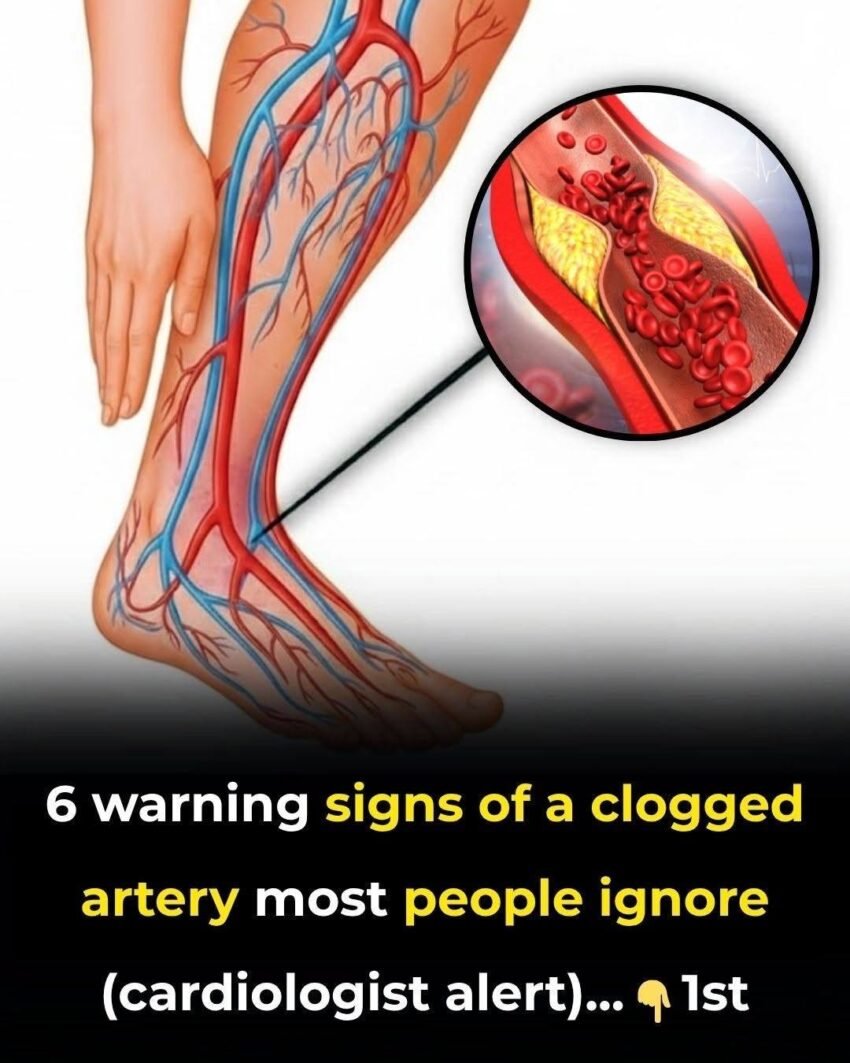
If you mean early warning signs of poor circulation and what they may mean, here is a detailed explanation. Circulation problems can involve the arteries (blood going to tissues), veins (blood returning to the heart), or the heart itself. Some signs are mild at first but can indicate conditions that need medical attention.
1. Cold hands and feet (especially when others feel normal)
What it may mean
Cold extremities can happen when blood flow to the hands and feet is reduced. Possible causes include:
- Peripheral artery disease (PAD): Narrowing of arteries due to plaque buildup, reducing oxygen-rich blood supply.
- Poor circulation from smoking, diabetes, or high cholesterol
- Blood vessel spasms such as Raynaud’s phenomenon
Warning signs to notice
- One foot or hand is much colder than the other
- Skin becomes pale, bluish, or unusually shiny
- Pain appears when walking and improves with rest
Helpful steps
- Avoid smoking or nicotine products
- Keep blood pressure, cholesterol, and blood sugar controlled
- Stay physically active (walking is often beneficial)
- Keep feet warm, but avoid very hot heating sources if sensation is reduced
2. Leg pain or cramping while walking
What it may mean
Pain in the calves, thighs, or hips during walking that improves after resting is a classic symptom called claudication.
It may indicate:
- Reduced artery flow to the legs
- Early peripheral artery disease
- Increased risk of cardiovascular problems elsewhere in the body
Warning signs
Seek medical advice if:
- Pain appears after a predictable walking distance
- Legs feel weak or heavy
- Wounds on the feet heal slowly
Helpful steps
- Regular walking programs can improve circulation
- Manage cholesterol and blood pressure
- A doctor may evaluate circulation with tests such as an ankle-brachial index (ABI)
3. Swelling in the ankles, feet, or legs
What it may mean
Swelling (edema) can occur when fluid collects because blood is not moving efficiently.
Possible causes:
- Venous insufficiency: Veins have trouble returning blood to the heart
- Heart-related fluid buildup
- Kidney problems
- Certain medications
Warning signs
Get checked sooner if:
- One leg suddenly becomes swollen, painful, warm, or red
- Swelling comes with shortness of breath or chest discomfort
- Swelling is rapidly increasing
Helpful steps
- Avoid sitting or standing still for long periods
- Elevate legs when resting
- Move regularly to activate calf muscles
- Follow medical advice regarding salt intake and medications
4. Numbness, tingling, or “pins and needles”
What it may mean
Reduced blood supply can affect nerves, but numbness can also come from nerve problems.
Possible causes:
- Poor circulation
- Diabetes-related nerve damage
- Nerve compression
- Vitamin deficiencies
Warning signs
- Sudden numbness on one side of the body
- Weakness, facial drooping, trouble speaking (possible stroke symptoms)
- Loss of feeling in feet with diabetes
Helpful steps
- Control blood sugar if diabetic
- Avoid prolonged pressure on limbs
- Report persistent or worsening symptoms to a healthcare professional
5. Skin color changes or slow-healing wounds
What it may mean
Healthy circulation delivers oxygen and nutrients needed for skin repair.
Possible signs of circulation problems:
- Pale, blue, or darkened skin
- Shiny, thin skin on legs
- Hair loss on lower legs
- Cuts that take unusually long to heal
Why it matters
Poor healing can increase the risk of infections, especially in people with diabetes or artery disease.
Helpful steps
- Inspect feet regularly if you have diabetes
- Keep wounds clean and monitored
- Seek medical advice for sores that do not improve
6. Shortness of breath, chest pressure, or unusual fatigue
What it may mean
Sometimes circulation problems are not felt in the legs or arms—they appear because the heart is struggling to deliver blood efficiently.
Possible warning signs:
- Chest pressure or tightness
- Breathlessness during normal activities
- Unusual tiredness
- Dizziness or fainting
These may be linked to:
- Coronary artery disease
- Heart rhythm problems
- Heart failure
Emergency warning signs
Call emergency services immediately for:
- Chest pain/pressure lasting more than a few minutes
- Severe shortness of breath
- Fainting
- Sudden weakness or speech difficulty
Ways to support healthy circulation
1. Move daily
- Aim for regular walking or other aerobic activity
- Avoid sitting for many hours without movement
2. Protect your blood vessels
- Do not smoke
- Maintain healthy cholesterol levels
- Keep blood pressure controlled
3. Eat for vascular health
Focus on:
- Vegetables and fruits
- Whole grains
- Beans and nuts
- Fish and healthy fats
Limit:
- Excess salt
- Trans fats
- Highly processed foods
4. Monitor health conditions
Conditions that commonly damage circulation:
- Diabetes
- High blood pressure
- High cholesterol
- Obesity
5. Know when to get checked
A medical evaluation is especially important if you have:
- New unexplained leg pain
- Persistent swelling
- Non-healing wounds
- Changes in skin color
- A strong family history of heart disease
Early circulation problems are often manageable when identified before they become severe. If you share your age, symptoms, duration, and any conditions like diabetes, high BP, or smoking history, I can help explain which signs are more concerning.